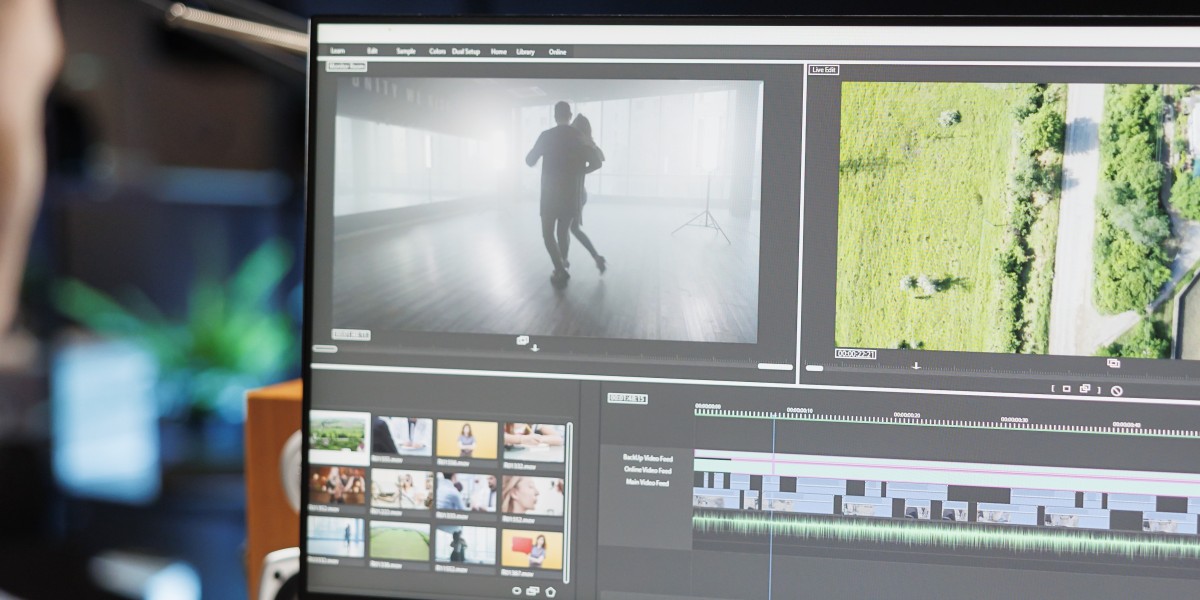

Videotape editing has evolved far beyond simple cuts and transitions. In the moment’s digital geography, advanced videotape editing plays a pivotal part in the liar, branding, marketing, and entertainment. Whether you're a professional editor, content creator, or filmmaker, learning advanced editing skills allows you to produce visually compelling videos that engage your audience and communicate your message effectively.
This companion explores ultramodern videotape editing techniques used by industry professionals to produce cinematic, polished, and poignant content.
Understanding the part of Advanced Video Editing
Advanced videotape editing focuses on refining illustrations, enhancing the liar, and perfecting bystander engagement. It goes beyond introductory trouncing by incorporating color grading, stir plates, sound design, and visual effects. These ways help transfigure raw footage into a professional product that meets industry norms.
High-quality editing improves emotional connection, brand perception, and bystander retention, making it essential for platforms such as YouTube, social media, flicks, announcements, and commercial videos.
Precision Editing for Seamless Storytelling
Advanced Cutting Ways
Professional editing requires precise cuts that maintain durability and meter. Ways similar to J-cuts and L-cuts allow audio to lead or follow illustrations, creating smooth transitions between scenes. These styles help maintain narrative inflow and avoid abrupt visual breaks.
Match Cuts and Jump Cuts
Match cuts connect scenes through visual or thematic similarity, while controlled jump cuts remove gratuitous pauses and keep the pacing dynamic. When used creatively, these ways enhance the liar rather than distract observers.
Color Correction and Cinematic Color Grading
Color Correction for thickness
Color correction is the foundation of professional editing. It involves conforming exposure, white balance, discrepancy, and achromatism to ensure visual thickness across all clips. This step is essential when footage is recorded using different cameras or lighting conditions.
Creative Color Grading
Color grading adds mood and emotion to a videotape. Editors use color tones to convey warmth, pressure, calmness, or drama. Cinematic aesthetics frequently involve teal- and- orange grading, muted palettes, or high-discrepancy styles depending on the story’s theme.
Advanced editors use reaches similar to waveform and vectorscope to achieve precise color balance and professional results.
Motion Graphics and Dynamic Visual Rudiments
Titles and Animated Text
Stir plates elevate videotape quality by adding animated titles, lower thirds, and captions. Well-designed textbook robustness enhances branding and ameliorates bystander understanding, especially in educational and promotional videos.
Phonographic and Visual Overlays
Animated maps, icons, and infographics simplify complex information. These rudiments are extensively used in marketing videos, tutorials, and commercial donations to increase clarity and engagement.
Advanced Transitions and Visual Flow
Creative Transition Design
ultramodern transitions go beyond introductory fades and wipes. Custom transitions using thrums, stir blur, light leaks, or glitch goods produce smooth visual flow between scenes. The key is to use transitions purposefully without overfilling the bystander.
Masking and Subcaste- Grounded Transitions
Masking allows editors to reveal or hide a corridor of a frame creatively. This fashion is frequently used to blend scenes, apply picky goods, or produce unique transitions that enhance liar.
Professional Audio Editing and Sound Design
Audio Cleanup and improvement
Advanced videotape editing includes professional audio treatment. Noise reduction, equalization, and contraction ensure clean and balanced sound. Clear audio is critical, as poor sound quality can reduce videotape credibility regardless of the illustrations.
Sound goods and Foley
Sound goods add literalism and depth to vids. Foley sounds similar to steps, ambient noise, or object movements enhance absorption. When used rightly, sound design subtly strengthens emotional impact.
Visual goods( VFX) for high-end product
herbage Screen and Chroma Keying
Chroma keying allows editors to replace backgrounds seamlessly. This fashion is extensively used in films, news broadcasts, and online content to place subjects in virtual surroundings.
Compositing and Special Goods
Compositing combines multiple visual rudiments into a single frame. Advanced editors use VFX to add explosions, rainfall effects, screen effects, and digital advancements that elevate product quality.
Speed Manipulation and Time Goods
Slow stir and Speed Ramping
Speed control is an important lever tool. Slow stir highlights emotional moments, while speed ramping stoutly changes playback speed to produce cinematic goods frequently used in action scenes and trip vids.
Time-Lapse and Hyperlapse
Time-lapse ways condense long durations into short sequences, showcasing changes over time. These ways are popular in pictures, cityscape vids, and nature flicks.
Multi-Camera Editing for Professional Coverage
Multi-camera editing is essential for interviews, events, podcasts, and live performances. coinciding footage from multiple cameras allows flawless switching between angles, keeping a happy dynamic and visually engaging.
Advanced editors use timecode synchronization and audio waveforms to ensure perfect alignment between all camera sources.
Advanced Goods Using Keyframes
Keyframe vitality
Keyframes control stir, nebulosity, scale, and gyration over time. This fashion allows editors to amp up rudiments easily and produce professional visual goods.
Precision Control for Dynamic Scenes
By conforming keyframes manually, editors achieve fine control over transitions, camera movements, and good timing. This perfection is essential for cinematic results and stir- grounded liar.
Import Optimization and Final Affair Settings
Platform-Specific Import Settings
Advanced editing includes exporting videos according to platform conditions. Different platforms, similar to YouTube, Instagram, Facebook, and broadcast television, bear specific judgments, bitrates, and formats for optimal quality.
Compression Without Quality Loss
Professional editors balance train size and quality by using effective codecs and contraction methods. Proper import settings ensure fast loading times without visible quality decline.
Workflow Optimization for Professional Editors
Organized Project Management
Effective workflow operation saves time and improves productivity. Editors use structured flyers, labeled timelines, and delegates to handle large systems easily.
Keyboard Lanes and robotization
Advanced editors use keyboard lanes and robotization tools to speed up repetitive tasks. This allows further focus on creativity rather than specialized prosecution.
Nonstop Learning and Industry Trends
Video tape editing technology evolves rapidly. Staying streamlined with new software features, plugins, and industry trends is essential for maintaining professional norms. Editors who continuously upgrade their chops remain competitive in the digital business.
Conclusion
Advanced videotape editing ways transfigure ordinary footage into visually important stories. From perfection, slice, and cinematic color grading to stir plates, sound design, and visual goods, each fashion plays a vital part in professional videotape production.
By learning these advanced chops, editors can produce content that captivates cult, strengthens branding, and delivers dispatches with clarity and emotional impact. Whether for film, marketing, education, or social media, advanced videotape editing remains a precious and in-demand skill in today’s digital world.