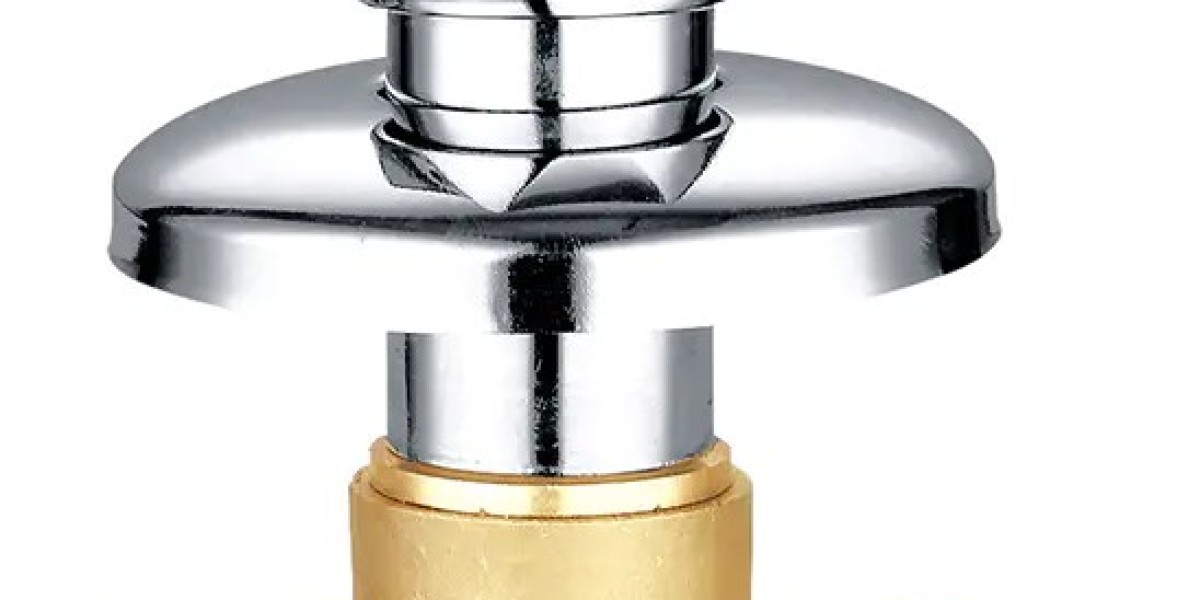

A Globe Valve producer operates in a manufacturing environment centered on control, stability, and mechanical accuracy. Globe valves serve an important role in regulating fluid flow across industrial pipelines, water networks, and energy facilities. Their internal structure allows gradual adjustment, making them suitable for applications requiring controlled pressure and flow direction.
Production begins with material selection. Common choices include carbon steel, stainless steel, and cast iron, each chosen according to pressure rating and operating temperature. At a Globe Valve producer, raw materials are examined for chemical composition and structural consistency before entering machining stages. This early verification helps reduce inconsistencies later in production.
Valve bodies are shaped using casting or forging methods, followed by precision machining. CNC equipment refines internal chambers, flanges, and threaded ports. The geometry of the valve body directly influences flow behavior, so dimensional accuracy remains a priority. Smooth internal surfaces help reduce turbulence and energy loss during operation.
The valve seat and disc receive careful attention. These components form the sealing interface that controls shutoff performance. A Globe Valve producer typically machines these parts separately to maintain tight tolerances. Surface finishing processes improve contact stability, allowing the valve to maintain sealing performance after repeated cycles. Material pairing between disc and seat is selected to reduce wear during operation.
Stem production also plays a key role. The stem connects external control input to internal disc movement. Thread precision and surface smoothness support consistent motion and reduce friction. During assembly, alignment checks confirm that vertical movement remains stable across the entire stroke range.
Inspection procedures are integrated throughout the manufacturing process. At a Globe Valve producer, dimensional checks occur after machining, then again after assembly. Pressure testing verifies structural integrity under operating conditions. Leakage tests evaluate sealing effectiveness at different pressure levels. These inspections support dependable performance across varied applications.
Design flexibility allows the producer to offer different configurations. Variations include straight pattern, angle pattern, and Y-pattern globe valves. Each design addresses specific installation or flow requirements. Actuation options may include handwheel operation or automated control interfaces, depending on system needs.
Environmental considerations also influence production planning. Many Globe Valve producers focus on material efficiency and waste reduction. Machining chips are collected for recycling, and testing water is filtered for reuse. These practices support responsible resource management without reducing product reliability.
Packaging marks the final stage before distribution. Valves are cleaned, dried, and protected against surface damage. Clear identification labels provide information on size, pressure rating, and material type. Organized storage supports efficient shipment to project sites or maintenance facilities.
Globe Valve producer relies on structured manufacturing, careful inspection, and material control. This approach supports stable flow regulation and consistent operation across industrial environments where precise valve performance remains essential.