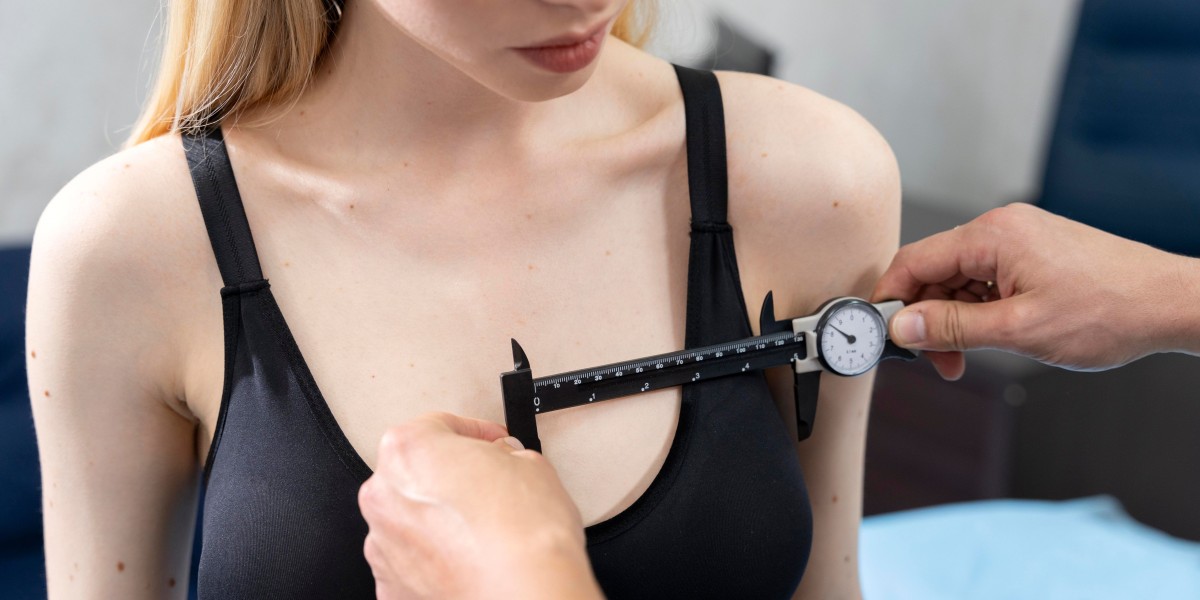

Imagine finally freeing yourself from the constant strain of oversized breasts, only to wonder about the hurdles along the way. Breast Reduction Surgery in Riyadh offers a transformative solution for many, easing physical discomfort and boosting confidence. Yet, like any surgical procedure, it carries potential risks that every prospective patient should understand fully.
This surgery, also known as reduction mammoplasty, reshapes and reduces breast size by removing excess fat, glandular tissue, and skin. Breast Reduction Surgery in Riyadh(عملية تصغير الصدرفي الرياض) has gained popularity due to its ability to address chronic issues like back pain and shoulder grooves from heavy breasts. Patients often seek it for both medical relief and aesthetic improvement, but awareness of risks ensures realistic expectations.
Understanding the Procedure Basics
Before diving into risks, grasping the basics of Breast Reduction Surgery in Riyadh sets the stage. Surgeons make incisions to remove tissue and reposition the nipple, tailoring the breast to a more proportionate size. This process typically lasts a few hours under general anesthesia.
The technique varies—some use a lollipop or anchor-shaped incision for extensive reductions. Recovery involves rest and gradual activity resumption, but complications can arise if not managed properly. Knowing this foundation helps patients weigh benefits against potential downsides.
Common Surgical Techniques Involved
Various methods like the vertical scar or wise pattern approach minimize tissue removal while preserving shape. Each suits different breast sizes and patient needs. Surgeons in Riyadh select based on individual anatomy for optimal outcomes.
Immediate Postoperative Risks
Right after Breast Reduction Surgery in Riyadh, your body adjusts to changes, sometimes triggering short-term issues. Swelling and bruising are normal, peaking in the first week before subsiding. These reactions stem from surgical trauma but rarely persist.
Infection tops the list of concerns, occurring if bacteria enter incisions despite sterile conditions. Surgeons prescribe antibiotics to mitigate this, emphasizing hygiene during recovery. Monitoring early signs like redness or fever prevents escalation.
Bleeding and Hematoma Formation
Excessive bleeding can form a hematoma, a collection of blood under the skin causing pain and swelling. This risk heightens in patients with clotting disorders. Drainage tubes often prevent buildup, with prompt medical attention resolving most cases swiftly.
Anesthesia-Related Complications
General anesthesia, standard for Breast Reduction Surgery in Riyadh, carries its own set of risks. Nausea, sore throat from intubation, or allergic reactions affect a small percentage. Anesthesiologists monitor vital signs closely to avert issues like breathing difficulties.
Rarely, deeper problems like malignant hyperthermia—a severe reaction to anesthetics—emerge in genetically predisposed individuals. Pre-surgery screenings identify such vulnerabilities, ensuring safety.
Respiratory and Cardiovascular Effects
Temporary drops in oxygen levels or blood pressure occur but stabilize quickly. Smokers face higher respiratory risks, underscoring the need to quit beforehand.
Scarring and Aesthetic Concerns
Scars are inevitable with Breast Reduction Surgery in Riyadh, forming along incision lines that fade over months to years. Keloid-prone skin increases hypertrophic scarring risk, appearing raised and thickened.
Asymmetry might develop if healing unevenly affects one breast more. Revision surgeries correct persistent mismatches, though most patients accept minor variations as natural.
Nipple and Sensation Changes
Nipple repositioning risks partial or total loss of sensation, impacting up to 20% of cases temporarily. In rare instances, nipple necrosis occurs from compromised blood supply, leading to tissue death. Skilled surgeons preserve viability through precise techniques.
Long-Term Health Risks
Beyond initial recovery, Breast Reduction Surgery in Riyadh prompts vigilance for enduring effects. Fat necrosis, where fatty tissue dies and hardens, feels like lumps but usually resolves without intervention.
Changes in breast shape over time, influenced by gravity or weight fluctuations, might necessitate touch-ups. Maintaining stable weight supports lasting results.
Impact on Breastfeeding Ability
Many worry about future lactation; tissue removal can disrupt milk ducts, reducing or eliminating breastfeeding capacity. This risk suits those past childbearing or using alternatives.
Rare but Serious Complications
Though infrequent, deep vein thrombosis (DVT) poses a threat, with clots forming in leg veins during immobility. Early walking and compression stockings counteract this.
Pulmonary embolism, a clot traveling to lungs, demands immediate care. Adhering to post-op mobility protocols slashes these odds dramatically.
Wound Healing Delays
Poor healing in smokers or diabetics prolongs recovery, risking dehiscence where incisions reopen. Nutrition and wound care accelerate closure.
Psychological and Emotional Risks
Undergoing Breast Reduction Surgery in Riyadh transforms body image, but some experience adjustment anxiety or regret if expectations mismatch reality. Counseling pre-surgery aligns goals with outcomes.
Body dysmorphia amplification rarely occurs, highlighting mental health evaluations beforehand.
Managing Expectations for Satisfaction
Realistic discussions curb dissatisfaction, fostering positive experiences for most patients.
Factors Increasing Risk Levels
Certain profiles heighten complications in Breast Reduction Surgery in Riyadh. Obesity strains incisions, while smoking impairs circulation. Pre-existing conditions like diabetes demand control.
Age and overall health play roles; fitter patients rebound faster.
Lifestyle Modifications to Minimize Risks
Quitting smoking weeks prior, optimizing weight, and following instructions drastically lower chances. Compliance proves key.
How Surgeons Mitigate Risks
Experienced professionals in Riyadh employ advanced protocols during Breast Reduction Surgery in Riyadh. Pre-op assessments screen for issues, while intraoperative monitoring catches anomalies early.
Post-op follow-ups track progress, intervening as needed.
Choosing the Right Surgeon
Board-certified experts with proven track records reduce errors through meticulous planning.
Ready to explore Breast Reduction Surgery in Riyadh? At Enfield Royal Saudi(إنفيلد رويال السعودية), our dedicated team guides you through every step, prioritizing your safety and satisfaction. Contact us today to schedule a confidential consultation and take the first step toward relief.
Frequently Asked Questions
1. What is the most common risk after Breast Reduction Surgery in Riyadh?
Infection and swelling lead, but antibiotics and care minimize them effectively.
2. Does Breast Reduction Surgery in Riyadh always cause scarring?
Yes, scars form but fade significantly with proper aftercare and silicone treatments.
3. Can Breast Reduction Surgery in Riyadh affect nipple sensation permanently?
Temporary changes are common; permanent loss is rare with modern techniques.
4. Who faces higher risks with Breast Reduction Surgery in Riyadh?
Smokers, obese individuals, or those with chronic illnesses need extra precautions.
5. How soon can complications appear after Breast Reduction Surgery in Riyadh?
Most emerge within days, prompting quick resolution through follow-ups.
6. Is Breast Reduction Surgery in Riyadh safe for older patients?
Yes, when health is optimized, age alone doesn't bar candidacy.