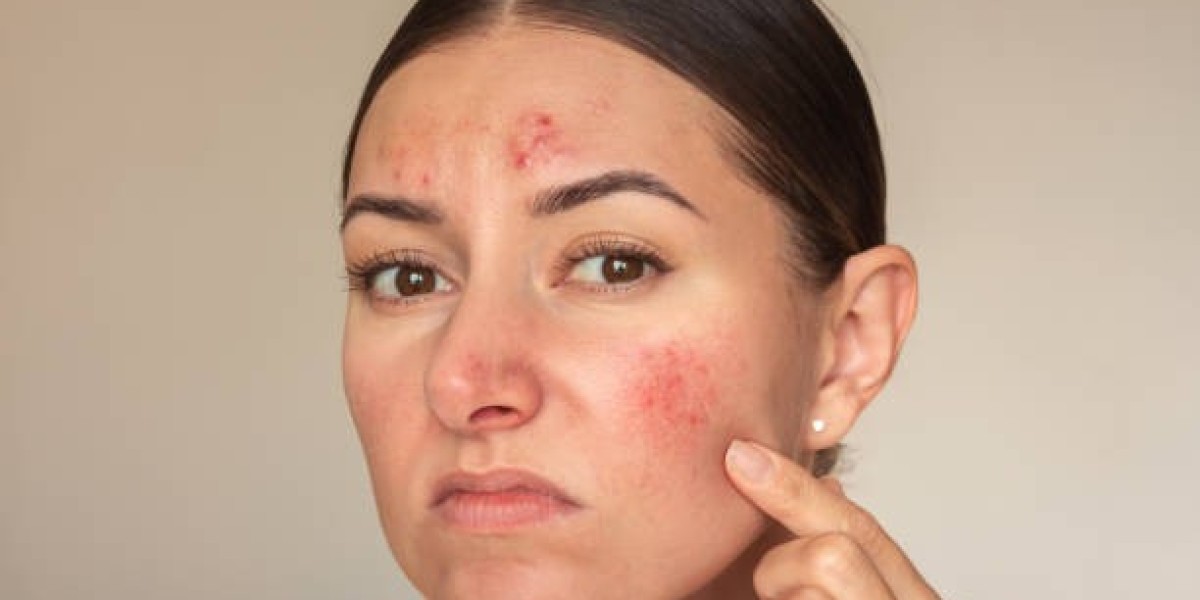

Experiencing persistent itchiness and redness around your nose can disrupt daily life, from simple conversations to applying makeup. This guide dives into practical strategies for symptom control, Treatment of external nasal rednessعلاج احمرار الأنف من الخارج helping you reclaim clear, comfortable skin. Discover causes, remedies, and prevention tips tailored for fast relief.
Understanding Nose Redness and Itch
Nose redness often stems from everyday irritants like harsh weather or skincare products, leading to uncomfortable itching that demands immediate attention. Redness of the skin around the nose: its causes and treatment becomes a top search as people seek relief from this visible issue. Environmental factors, allergies, and skin conditions play key roles, making early identification crucial for effective management.
Skin in the nasal area is thinner and more sensitive, prone to reactions from friction or allergens. Common triggers include cold winds that dry out the skin or frequent nose blowing during colds. Recognizing these patterns empowers you to act swiftly, turning frustration into confidence with targeted care.
Common Causes of Redness Around the Nose
Rosacea and Flushing Triggers
Rosacea frequently causes redness around the nose, with flushing episodes triggered by spicy foods, alcohol, or stress. This chronic condition leads to visible blood vessels and itchiness, especially in fair-skinned individuals. Managing triggers through a food diary can significantly reduce flare-ups.
Perioral Dermatitis Effects
Perioral dermatitis mimics acne with red, bumpy skin encircling the nose, often worsened by steroid creams or fluoridated toothpaste. Itchiness intensifies as inflammation builds, creating a cycle of discomfort. Switching to gentle, non-comedogenic products often halts progression.
Allergic Reactions and Irritants
Allergens like pollen or dust mites provoke histamine release, resulting in red, itchy skin around the nose. Contact dermatitis from fragranced wipes or makeup adds to the problem. Patch testing helps pinpoint culprits, preventing recurring episodes.
Dryness and Environmental Factors
Harsh winters or air-conditioned rooms strip natural oils, causing flaky, red skin that itches relentlessly. Over-wiping during allergies exacerbates barrier damage. Humidifiers and ointments restore moisture balance effectively.
Seborrheic Dermatitis Influence
Yeast overgrowth in oily areas like the nose sides leads to scaly redness and itch. Stress or hormonal shifts aggravate it. Antifungal shampoos applied as washes provide quick symptom control.
Redness of the skin around the nose: its causes and treatment requires addressing these root issues holistically for lasting results. Lifestyle tweaks complement topical aids beautifully.
Effective Treatments for Itch Relief
Topical Remedies for Fast Soothing
Hydrocortisone creams calm acute itch from redness around the nose, but use sparingly to avoid thinning skin. Natural options like aloe vera or colloidal oatmeal soothe without steroids. Apply thinly twice daily for visible improvement.
Moisturizing Strategies
Barrier-repair creams with ceramides lock in hydration, reducing itch from dry, red skin. Look for fragrance-free formulas to prevent irritation. Nightly application builds resilience against daily assaults.
Antihistamine Support
Oral antihistamines like loratadine curb allergy-driven itch and redness effectively. They work systemically, easing nasal discomfort too. Combine with saline rinses for comprehensive relief.
Lifestyle Adjustments
Avoid hot showers that strip oils, opting for lukewarm water and pat-drying. Sun protection with mineral sunscreens prevents UV-aggravated redness. These habits amplify treatment success.
Redness of the skin around the nose: its causes and treatment thrives on consistent routines. Patience yields smoother skin over weeks.
Home Remedies to Try Immediately
Natural Compresses
Cool chamomile tea bags placed on the nose for 10 minutes reduce inflammation and itch naturally. Their anti-inflammatory properties rival over-the-counter options. Repeat morning and evening.
Honey's Healing Power
Manuka honey's antibacterial qualities combat infected redness around the nose. Dab a thin layer overnight under occlusion for deep nourishment. Itch subsides as healing begins.
Essential Oil Blends
Diluted tea tree oil fights fungal elements in seborrheic cases, easing red itch. Mix with carrier oil to avoid burns. Spot-test first for sensitivity.
Dietary Tweaks
Incorporate omega-3-rich foods like salmon to internally fight inflammation. Reduce sugar, which feeds yeast-related redness. Noticeable changes emerge in days.
Prevention Tips for Long-Term Control
Shield your nose with a scarf in windy conditions to block irritants. Gentle cleansing with micellar water preserves the skin barrier. Weekly exfoliation with soft cloths removes dead cells without trauma.
Track symptoms in a journal to identify patterns, adjusting habits proactively. Stress management through yoga minimizes rosacea flares. These steps ensure itch-free days ahead.
For persistent issues, redness of the skin around the nose: its causes and treatment may need professional input. Book an appointment consultation at a clinic like Enfield Royal Riyadh (إنفيلد رويال الرياض) for personalized advice.
FAQs
? What Triggers Nose Redness Most Often?
Common culprits include rosacea, allergies, and dryness from weather changes, leading to itch that disrupts routines.
? Can Home Remedies Fully Cure Red Itch?
They provide excellent relief for mild cases, but chronic conditions like dermatitis benefit from combined approaches.
?️ How to Prevent Makeup-Induced Redness?
Choose hypoallergenic, non-comedogenic products and remove gently to avoid barrier breakdown around the nose.
⚡ Quickest Way for Itch Relief Tonight?
Apply a cool compress followed by ceramide moisturizer—symptoms often ease within hours.
? When to Seek Expert Help?
If redness persists beyond two weeks or spreads, professional evaluation ensures targeted treatment.