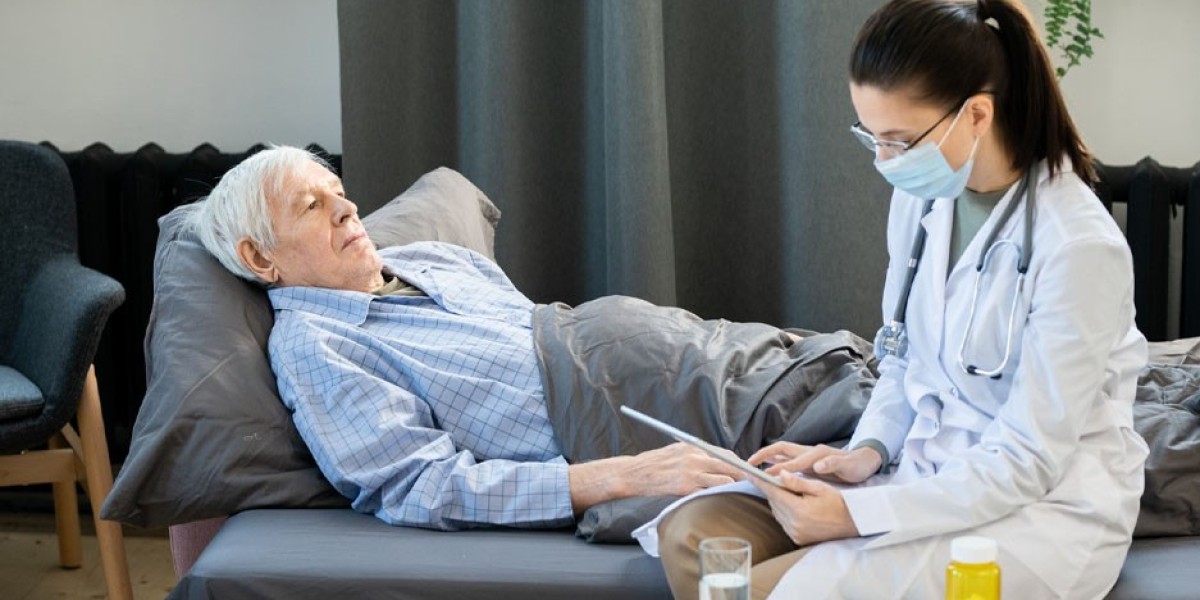

For bedridden patients, accessing traditional healthcare facilities can be challenging, stressful, and physically demanding. Traveling to hospitals or clinics often involves significant effort and may exacerbate their medical conditions. Doctor at home services provide a practical solution by bringing professional healthcare directly to the patient’s bedside. This approach ensures that patients receive timely medical attention, personalized care, and continuous monitoring without leaving the comfort and safety of their home.
Understanding Home-Based Care for Bedridden Patients:
Doctor-at-home services are designed to address the unique needs of patients who are confined to bed due to illness, injury, or chronic conditions. These services offer comprehensive medical care that includes physical assessments, diagnostics, treatment, and guidance for caregivers. By focusing on the home environment, doctors can better understand the patient’s condition and provide care tailored to their specific needs.
Personalized Medical Attention:
Bedridden patients often require frequent monitoring and individualized treatment plans. Home visits allow doctors to:
Conduct thorough health assessments and examinations at the bedside
Review and adjust medications according to patient needs
Monitor vital signs and track symptom progression
Provide tailored guidance on nutrition, hygiene, and mobility support
This personalized attention ensures that patients receive consistent care without the stress of transportation or exposure to other illnesses.
Managing Chronic Conditions Effectively:
Many bedridden patients live with chronic illnesses such as heart disease, respiratory disorders, or neurological conditions. Doctor-at-home services help manage these conditions by:
Monitoring ongoing symptoms and disease progression
Administering necessary medications, injections, or IV treatments
Adjusting treatment plans promptly based on real-time observations
Coordinating care with specialists, physiotherapists, or home health aides
Continuous monitoring and timely interventions improve quality of life and reduce the risk of complications.
Post-Surgery and Rehabilitation Care:
Patients recovering from surgery often face mobility limitations and increased vulnerability to infections. Home-based care supports recovery by:
Providing wound care and infection prevention at the bedside
Managing pain and medication schedules
Guiding physiotherapy exercises adapted for bedridden patients
Monitoring for signs of complications that may require hospital attention
Receiving care at home promotes a safe and comfortable recovery environment.
Reducing Stress and Emotional Strain:
Hospital visits can be overwhelming for bedridden patients, causing anxiety and discomfort. Home visits help by:
Providing medical care in a familiar, calm setting
Allowing patients to maintain daily routines as much as possible
Offering emotional support and reassurance during consultations
Enabling caregivers to participate in care and communication with doctors
Lower stress levels contribute to better patient cooperation and improved health outcomes.
Preventing Hospital-Acquired Infections:
Bedridden patients are particularly susceptible to infections due to weakened immune systems. Doctor-at-home services reduce exposure to hospital pathogens by:
Delivering care in a clean, controlled home environment
Limiting contact with sick individuals in clinics or hospitals
Educating caregivers on hygiene and infection prevention
Monitoring for early signs of infection and addressing them promptly
This proactive approach helps maintain patient health and prevents complications.
Support for Caregivers and Families:
Caring for bedridden patients can be physically and emotionally demanding. Home visits ease this burden by:
Providing professional guidance on patient handling, feeding, and hygiene
Reducing the need for frequent travel to clinics or hospitals
Offering advice on safe mobility practices and positioning techniques
Educating families on symptom monitoring and emergency preparedness
This support empowers caregivers to deliver effective care while maintaining their own well-being.
Technology Integration for Enhanced Care:
Many Doctor-at-home services incorporate technology to improve patient monitoring and communication. Examples include:
Telemedicine for follow-ups or consultations without additional travel
Remote monitoring devices for vital signs, oxygen levels, and heart rate
Digital tracking of medications, symptoms, and treatment progress
Access to electronic health records for better coordination with specialists
Technology ensures continuity of care while enhancing efficiency and accuracy.
Emergency Preparedness and Rapid Response:
Bedridden patients may experience sudden health changes that require immediate attention. Doctor-at-home services provide:
Rapid response to acute symptoms or emergencies
Guidance for caregivers on stabilizing the patient until further help arrives
Early detection of complications to prevent hospitalizations
Coordination with ambulance or emergency services when necessary
This ensures patients receive timely interventions while staying in the safety of their homes.
Comfort and Quality of Life:
Home-based care significantly enhances the overall quality of life for bedridden patients. The combination of personalized attention, reduced stress, and continuous monitoring allows patients to:
Rest and recover in a familiar environment
Maintain dignity and independence as much as possible
Receive consistent medical oversight and proactive interventions
Enjoy emotional support and interaction with caregivers and family
Focusing on comfort alongside medical care improves both physical and mental well-being.
Final Thoughts
Doctor-at-home services provide an ideal solution for bedridden patients, offering safe, convenient, and personalized healthcare directly at home. From managing chronic illnesses and post-surgery recovery to preventing infections and supporting caregivers, these services ensure continuous medical attention without the challenges and risks of hospital visits. For bedridden individuals, Doctor at home care combines professional expertise with comfort and peace of mind, enhancing overall health outcomes and quality of life.