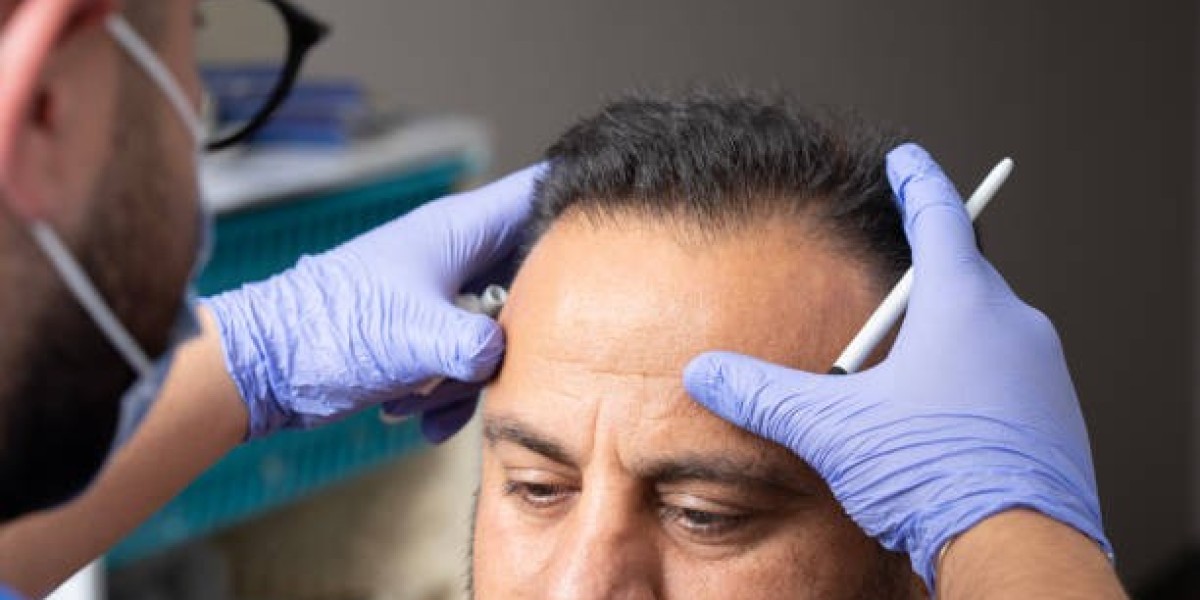

Alopecia areata is an autoimmune condition that causes sudden, patchy hair loss on the scalp and other areas. For patients looking to restore hair in affected spots, Hair Transplant in Riyadh (زراعة الشعر في الرياض) offers advanced solutions to achieve natural density and coverage while enhancing confidence.
Understanding Alopecia Areata
What is Alopecia Areata?
Alopecia areata leads to round or oval patches of hair loss due to the immune system attacking hair follicles. These spots can appear anywhere on the scalp and sometimes regrow naturally, but in persistent cases, hair restoration becomes necessary. Hair Transplant in Riyadh specialists carefully evaluate the stability of the condition before recommending a transplant.
Challenges of Transplanting Alopecia Areata Spots
Transplanting hair in alopecia areata requires caution because active immune activity can cause newly transplanted follicles to fall out. Specialists ensure the disease is in a stable or dormant phase to maximize graft survival and prevent further hair loss.
Techniques for Hair Transplant in Alopecia Areata
FUE Technique
Follicular Unit Extraction (FUE) is the preferred method for patchy hair loss. Individual follicles are harvested and implanted with precision, minimizing trauma and ensuring natural growth in affected spots.
FUT Technique
Follicular Unit Transplantation (FUT) can be used for larger affected areas requiring more grafts. While it leaves a linear scar in the donor area, FUT provides sufficient grafts for better coverage and consistent density.
Strategic Graft Placement
Experts at Hair Transplant in Riyadh focus on placing grafts carefully to mimic natural hair direction and density. This ensures that transplanted hair blends seamlessly with surrounding hair, creating a uniform and aesthetically pleasing result.
Factors Affecting Success
Stability of Alopecia Areata
Hair transplants are most effective when the condition is stable and not actively progressing. Specialists evaluate medical history, patch stability, and potential triggers before planning the procedure.
Donor Hair Quality
Healthy, strong donor follicles are essential for success. The quality of donor hair impacts survival rates and overall coverage, which is crucial for restoring alopecia areata spots effectively.
Expert Surgical Technique
Transplanting in delicate, patchy areas requires skilled surgeons. Proper handling, angle adjustment, and precise implantation ensure that grafts survive and integrate naturally.
Planning Your Hair Transplant
Consultation and Assessment
A detailed consultation at Hair Transplant in Riyadh clinics allows specialists to assess the affected spots, donor hair availability, and scalp condition. This ensures a customized plan for effective coverage and natural appearance.
Setting Realistic Expectations
Patients are informed about achievable density, potential need for multiple sessions, and expected timeline for growth. Clear communication helps manage expectations and ensures satisfaction.
Post-Transplant Care
Gentle washing, avoiding sun exposure, and following prescribed care routines support graft survival and promote healthy hair growth. Proper aftercare is especially critical in areas affected by alopecia areata.
Book Your Appointment
Restore hair in alopecia areata spots with expert care at Royal Clinic Saudia (عيادات رويال كلينك). Their experienced team specializes in Hair Transplant in Riyadh, offering personalized plans to achieve natural density, seamless coverage, and lasting results.
FAQs:
Can hair be transplanted in active alopecia areata spots?
Transplants are recommended only when the condition is stable, as active spots may cause graft loss.
Which technique is best for patchy hair loss?
FUE is preferred for precise graft placement in small, affected areas, while FUT can be used for larger coverage.
How long does it take to see results?
Initial hair growth appears in 3-4 months, with full results visible after 12-18 months.
Is post-transplant care different for alopecia areata?
Yes, careful maintenance, gentle handling, and monitoring for recurrence are crucial for graft surviva