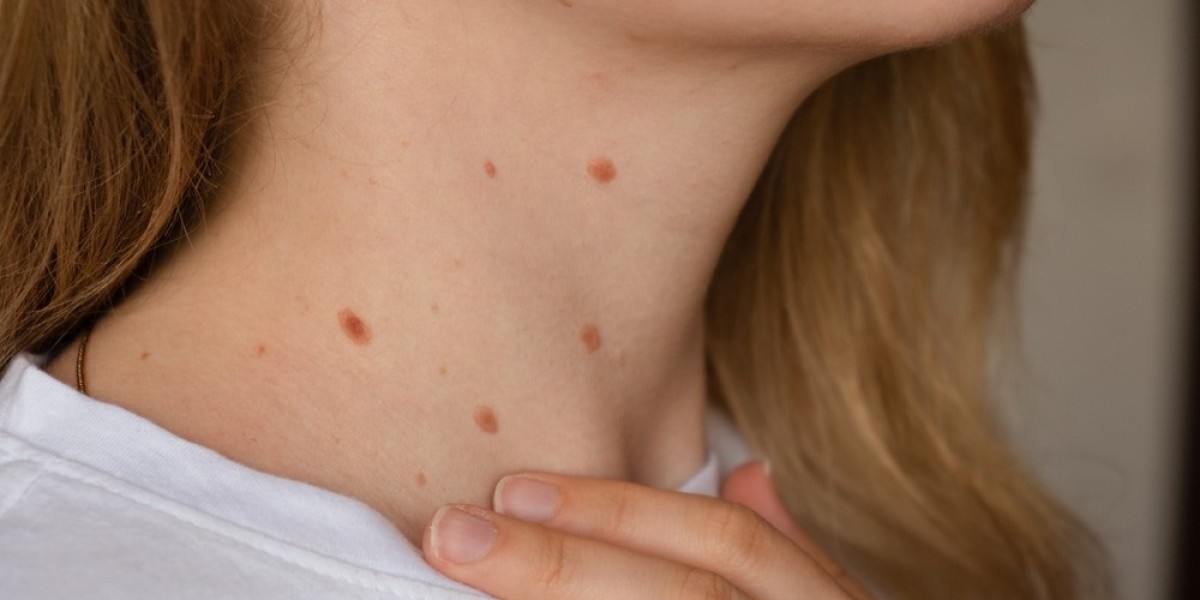

Skin tags are small, benign growths that appear on the skin and are often harmless. Despite their common occurrence, they are frequently misunderstood. One of the most common concerns people have is whether these growths can spread from one person to another. In this article, we will explore the truth behind Are Skin Tags Contagious, separate myths from facts, and provide guidance on maintaining overall skin health.
What Are Skin Tags?
Skin tags, medically known as acrochordons, are soft, small flaps of skin that usually appear in areas where the skin folds, such as the neck, armpits, groin, and under the breasts. They vary in size, ranging from a few millimeters to over a centimeter. These growths are non-cancerous and are primarily composed of collagen fibers, blood vessels, and skin.
While skin tags are more common in adults, they can appear at any age. Factors like obesity, genetics, and hormonal changes can contribute to their development. Understanding their formation is essential in addressing concerns like Are Skin Tags Contagious.
Common Causes of Skin Tags
Skin tags often develop due to friction in skin folds, hormonal imbalances, or genetic predisposition. Other contributing factors include:
Obesity: Increased skin friction can lead to the formation of skin tags.
Pregnancy: Hormonal changes can stimulate skin growth in some women.
Age: Skin tags become more common with age.
Diabetes: People with insulin resistance may be more prone to developing skin tags.
Although these factors contribute to the growth of skin tags, it is important to understand that they are not caused by infections or viruses. This is a key point in answering the question: Are Skin Tags Contagious?
Debunking Myths: Are Skin Tags Contagious?
A prevalent misconception is that skin tags can spread from person to person. Many people assume they are contagious due to their appearance or similarity to warts. However, this is not true. Skin tags are not caused by bacteria or viruses, which means they cannot be transmitted through touch, sexual contact, or sharing personal items.
The myth that skin tags are contagious often arises from confusion with other skin conditions like warts or molluscum contagiosum, which are viral and can spread. Knowing this distinction is crucial for reducing unnecessary fear and stigma surrounding skin tags.
Risk Factors and Prevention
Although skin tags are not contagious, certain lifestyle and health factors can increase the likelihood of developing them. Maintaining overall Health and Wellness can help minimize risk. Preventive measures include:
Keeping skin dry and reducing friction in areas prone to rubbing.
Managing body weight through regular exercise and a balanced diet.
Monitoring blood sugar levels if diabetic or pre-diabetic.
Wearing loose-fitting clothing to avoid excessive skin irritation.
By focusing on holistic health, individuals can lower the chances of developing new skin tags and improve general skin health.
How to Identify Skin Tags
Skin tags are usually painless, soft, and flesh-colored or slightly darker. They may hang off the skin by a small stalk called a peduncle. Key characteristics that differentiate skin tags from other growths include:
Size and texture: Small, soft, and slightly wrinkled.
Location: Common in areas of friction such as the neck, underarms, eyelids, and groin.
Growth pattern: Slow-growing and generally stable in size.
If you notice rapid growth, bleeding, or changes in color, consult a dermatologist to rule out other conditions, as these are not typical features of skin tags.
Treatment Options for Skin Tags
Although skin tags are harmless, many people choose to remove them for cosmetic or comfort reasons. Removal should ideally be performed by a healthcare professional to avoid complications. Common treatment options include:
Cryotherapy: Freezing the skin tag with liquid nitrogen.
Excision: Cutting the skin tag off using sterile surgical tools.
Cauterization: Burning the skin tag off using controlled heat.
Over-the-counter solutions: Some topical treatments can help, but professional guidance is recommended.
Self-removal at home can lead to infection or scarring. It’s important to approach treatment safely and professionally.
When to See a Doctor
While most skin tags are benign, certain signs warrant medical attention:
Rapid growth or changes in appearance.
Persistent pain, itching, or bleeding.
Skin tags in sensitive areas like the eyes or genitals.
Consulting a dermatologist ensures accurate diagnosis and safe treatment, reducing the risk of misidentifying more serious conditions as skin tags.
Final Thoughts on Are Skin Tags Contagious
In conclusion, the answer to Are Skin Tags Contagious is clear: they are not contagious. Skin tags are benign, harmless growths caused primarily by friction, genetics, or hormonal factors rather than infections. Maintaining Health and Wellness, monitoring your skin, and seeking professional advice when necessary are the best ways to manage skin tags effectively.
Understanding the facts versus myths about skin tags can relieve unnecessary anxiety and help people make informed choices regarding their skin health. With proper care and awareness, skin tags need not be a source of concern or fear.