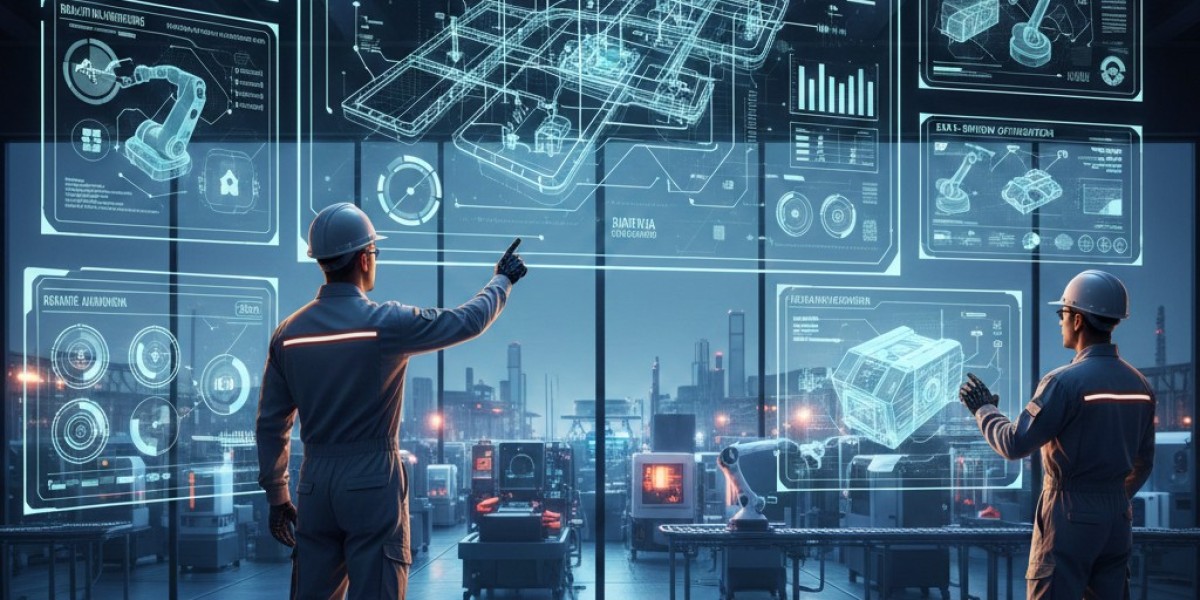

Industrial automation has advanced rapidly in recent years, but nothing has accelerated progress more than the rise of IoT device control. Today, industries are no longer dependent on manual monitoring or basic electrical systems. Instead, machines, sensors, PLC control panels, and software systems are linked through IoT networks that allow real-time access, faster decision-making, and smooth operations from anywhere in the world.
As more companies adopt connected automation, IoT device management and structured IoT system management have become essential for efficiency, safety, and long-term sustainability.
This blog explains how IoT-based device control works, why industries are shifting from manual control to smart automation, and what benefits this technology unlocks.
What Is IoT Device Control?
IoT device control refers to the ability to operate, monitor, and adjust machines or systems remotely using the internet. Every device — such as PLC panels, VFD units, motors, or SCADA-connected machines — communicates data to a central cloud or server.
With this data, operators can:
Monitor device performance
Change machine settings
Track faults
Predict maintenance needs
Improve production speed
Earlier, device control happened physically on-site. Today, IoT technology makes it possible from a phone or computer, even if the operator is far away from the factory floor.
How IoT Improves Industrial Control Systems
Many industrial processes rely on PLC control panels and SCADA architectures for automation. IoT strengthens these systems by adding remote access, live analytics, and secure connectivity.
Instead of traditional control methods, IoT creates a digital link between:
Machines
Sensors
Software
Cloud servers
Users
The result is smarter decision-making, fewer failures, and more stable production.
The Role of IoT Device Management
IoT device management ensures that all connected hardware performs smoothly throughout its lifecycle. This includes:
Device configuration
Real-time monitoring
Firmware updates
Troubleshooting
Performance tracking
In industrial plants, hundreds of devices run simultaneously. Without proper management, systems may slow down or stop working completely. IoT helps avoid downtime by detecting errors early and maintaining stable communication between devices and control platforms.
IoT System Management – A Complete Control Structure
While device management focuses on individual machines, IoT system management looks at the entire automation network. It maintains the overall flow of data, security, and connectivity.
Good IoT system management ensures:
Data accuracy
Network security
Device compatibility
Continuous uptime
Smooth integration with PLC and SCADA
Industries that adopt strong management systems reduce operational risk and boost productivity across all production levels.
Benefits of IoT Device Control in Industries
1. Remote Access
Engineers can operate machines from anywhere. This reduces travel time and increases response speed — especially during unplanned equipment issues.
2. Improved Machine Health
Live data monitoring helps detect faults early. Companies save money by avoiding breakdowns and extending machine life.
3. Faster Decision-Making
Operators get real-time status updates, making production adjustments quick and accurate.
4. Lower Operational Cost
Automation reduces manpower requirements and energy usage, making production more cost-effective.
5. Better Integration With PLC Panels
When PLC control panels connect to IoT, industries gain better accuracy, faster communication, and complete visibility.
Future of IoT in Industrial Automation
The future of industrial automation will run on IoT-based control systems. Companies are already integrating:
Smart PLC panels
Wireless sensors
Energy dashboards
Predictive analytics
Cloud-based reporting
As these systems evolve, industries will rely less on physical control rooms and more on digital platforms that allow complete automation and control.
Conclusion
IoT device control is redefining how industries operate. From remote access to advanced device management, IoT creates safer, smarter, and more productive environments. When IoT integrates with PLC control panels and automation equipment, businesses experience higher uptime, lower costs, and greater flexibility.
As industries move toward digital transformation, IoT system management will play a key role in building efficient and reliable operations. Those who adopt early will stay ahead in performance, speed, and innovation.