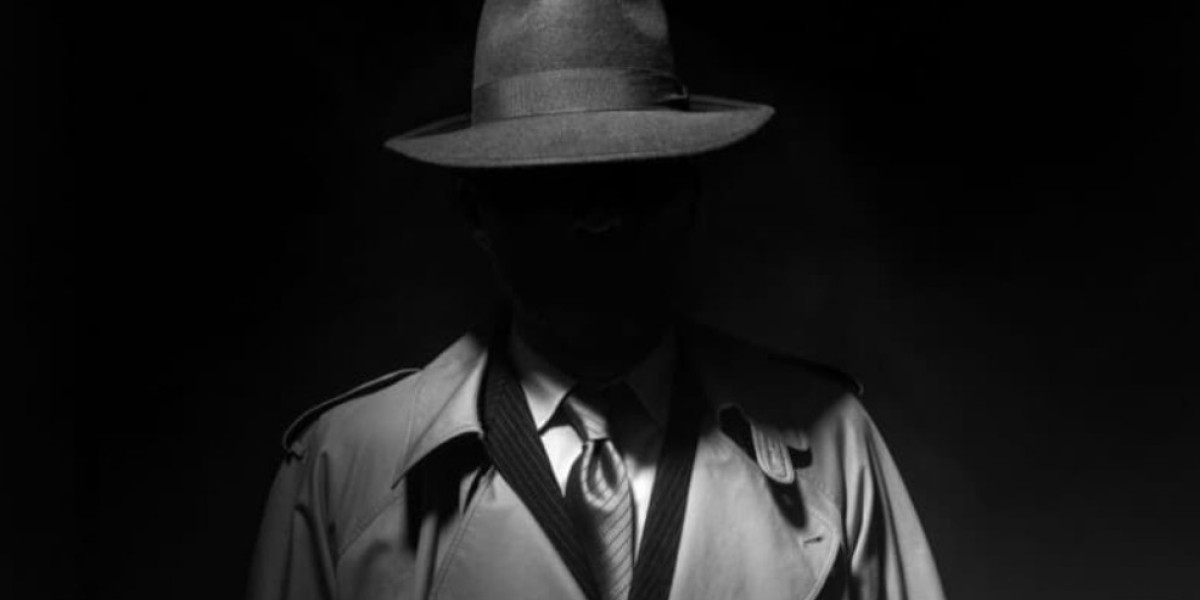

Surveillance is one of the core skills of a private investigator, and where they choose to wait can determine the success of an operation. Effective surveillance requires patience, discretion, and strategic positioning. Private investigators must observe subjects without being noticed, gather evidence, and report accurately, all while maintaining legal and ethical standards. For aspiring professionals, understanding surveillance techniques and optimal positioning is essential. Structured training through a private investigator Course equips learners with these practical skills, helping them develop the knowledge and confidence needed to conduct effective surveillance operations.
Understanding the Principles of Surveillance
Surveillance is more than simply following a person. It involves careful planning, risk assessment, and situational awareness. A private investigator must choose observation points that offer clear sightlines, minimal exposure, and easy escape routes if needed. Common positions include parked vehicles, public spaces such as cafes or benches, and elevated areas that provide a wide view. The key is to remain inconspicuous while maintaining the ability to record and report on the subject’s activities.
Learning how to identify suitable surveillance locations is often a major component of a private investigator Course. Trainees are taught how to balance proximity with discretion, ensuring that evidence is gathered effectively without compromising the operation.
Stationary Surveillance Techniques
Stationary surveillance involves remaining in a fixed location for an extended period to monitor a subject’s movements or activities. This can be conducted from vehicles, buildings, or public areas. The chosen location must provide concealment, comfort for long durations, and accessibility for equipment like cameras or binoculars. Investigators often use disguises or position themselves among crowds to reduce the risk of detection.
Successful stationary surveillance requires patience and meticulous planning. By practicing these techniques in a private investigator Course, learners gain practical insights into positioning, timing, and observation skills. Understanding how to remain unnoticed while maintaining a clear line of sight is critical to gathering accurate information.
Mobile Surveillance and Shadowing
Mobile surveillance involves following a subject on foot or by vehicle. Unlike stationary surveillance, mobile operations require constant movement while maintaining safe distance. Private investigators often need to anticipate the subject’s route, select safe vantage points for observation, and coordinate with team members if operating in pairs or groups.
Training through a private investigator Course covers mobile surveillance strategies, including how to manage traffic patterns, avoid detection, and maintain communication with colleagues. These techniques ensure that the investigator can follow a subject effectively without compromising the operation or safety.
Using Technology and Equipment During Surveillance
Modern surveillance often relies on technology to enhance observation. Cameras, audio recording devices, GPS trackers, and night-vision equipment are commonly used. The location where an investigator waits must support the effective use of this technology while remaining discreet. For instance, positioning near natural cover or in a vehicle with tinted windows allows evidence collection without drawing attention.
A private investigator Course teaches the correct and legal use of surveillance equipment, ensuring that evidence is admissible and operations remain compliant with regulations. Proper training helps investigators choose observation points that maximise equipment effectiveness while minimising risk.
Legal and Ethical Considerations
Private investigators must conduct surveillance within legal and ethical boundaries. Trespassing, harassment, and invasion of privacy can lead to legal consequences. Choosing observation points often involves assessing property boundaries, public access, and local laws. Investigators are trained to prioritise public spaces and avoid any actions that could violate rights or attract legal action.
Structured training, such as a private investigator Course, emphasises the importance of understanding laws governing surveillance. By integrating legal knowledge with practical techniques, trainees learn how to conduct investigations safely and ethically.
Planning and Preparation for Effective Surveillance
Effective surveillance starts long before the investigator positions themselves. Planning involves researching the subject, identifying patterns in their routine, and selecting potential waiting points in advance. A clear plan reduces the risk of mistakes and increases the likelihood of gathering useful information. Private investigators also consider escape routes, potential obstacles, and environmental factors such as lighting and weather.
Courses like the private investigator Course provide practical exercises in planning and preparation, helping learners develop strategic thinking and operational readiness. This ensures that when they conduct surveillance, every aspect is deliberate, informed, and professionally executed.
Enhancing Observation Skills Through Training
Observation skills are at the heart of successful surveillance. A private investigator must notice subtle behaviours, changes in routine, and potential risks while remaining unnoticed. Waiting in the right location is only part of the skill set; effective observation involves focus, patience, and the ability to record findings accurately.