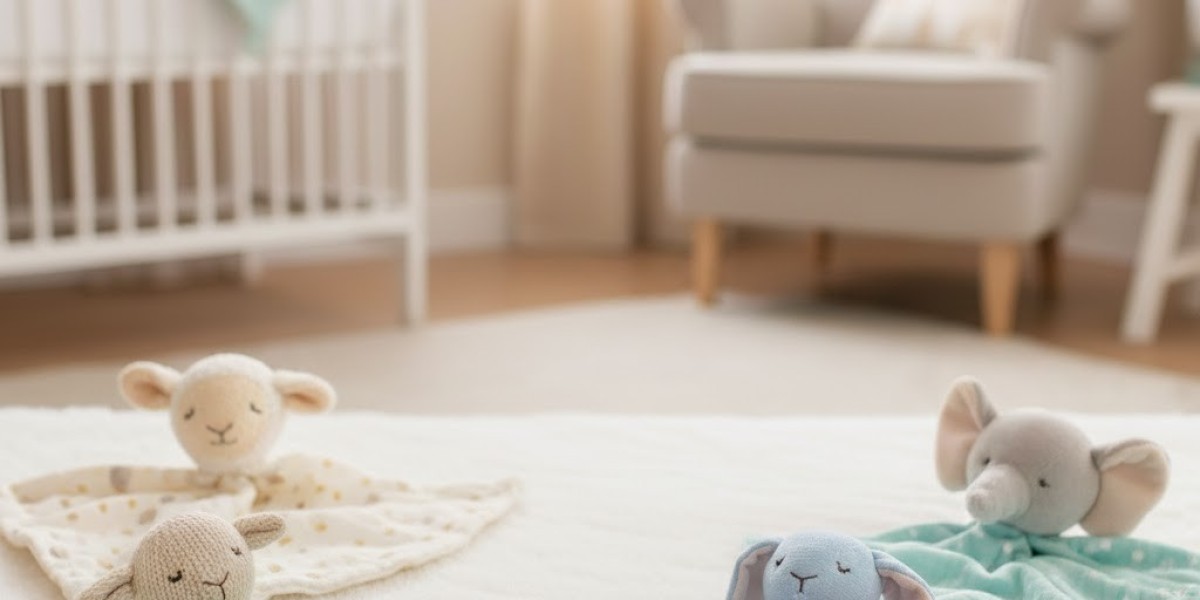

When it comes to comforting your little one, few items are as cherished as a baby lovey. These small, soft companions provide security, emotional reassurance, and tactile comfort that can ease fussiness, support self-soothing, and even improve sleep. Choosing the right baby loveys, however, requires careful attention to softness, safety, and durability to ensure that they are both comforting and safe for infants and toddlers alike.
Understanding Baby Loveys
Baby loveys are typically small blankets or plush toys designed to provide emotional security. Unlike standard toys, they are meant for constant contact, offering a familiar texture that reassures babies in new or stressful situations. Their importance extends beyond comfort—they also help develop self-soothing skills and can become a beloved, lifelong companion.
Emotional Benefits
Loveys can reduce stress, calm crying, and provide a sense of stability. Babies associate the softness and scent of the lovey with comfort and familiarity, which can help them manage transitions like naps, bedtime, or outings.
Routine and Security
Using a lovey consistently in sleep routines or during travel creates predictability. This regularity fosters a sense of safety that allows babies to relax and feel secure, even when parents are not immediately present.
Tips for Choosing Soft Baby Loveys
Material Matters
Cotton: Soft, breathable, and hypoallergenic, making it ideal for delicate newborn skin.
Bamboo Blends: Silky, moisture-wicking, and gentle on sensitive skin.
Fleece or Knit: Provides extra warmth for cooler seasons but should be soft to avoid irritation.
Texture
Look for smooth fabrics with no rough edges.
Gentle tags or minimal crinkle textures can provide sensory engagement without overstimulation.
Lightweight and Appropriately Sized
Ensure the lovey is easy for your baby to grasp or cuddle.
Oversized or heavy loveys may be unsafe for unsupervised sleep.
Softness is not just a comfort factor—it is key for safety and tactile satisfaction.
Safety Considerations
Avoid Choking Hazards
Stay away from loose buttons, beads, or embellishments.
Choose stitched-on or embroidered features instead of attached accessories.
Secure Construction
Reinforced edges and stitching prevent fraying or tearing.
Durable fabrics withstand tugging, washing, and daily use.
Hypoallergenic and Chemical-Free
Babies have sensitive skin, so materials should be free of harsh dyes or chemicals.
Organic certifications are a bonus for added safety and peace of mind.
Safety should never be compromised for design or style.
Age-Appropriate Lovey Selection
Newborns (0–3 Months)
Small, lightweight, and soft fabrics
Simple designs with minimal sensory features
Infants (3–12 Months)
Slightly more interactive textures (tags, crinkle, gentle rattles)
Durable and easy-to-clean fabrics
Toddlers (1–3 Years)
Larger, sturdier loveys that can be carried, cuddled, and washed frequently
Familiar characters or versatile designs for sleep and play
Selecting age-appropriate loveys ensures safety while meeting developmental needs.
Maintenance and Care
Machine-Washable Fabrics
Regular washing maintains hygiene, reduces allergens, and keeps the lovey soft.
Gentle Detergents
Avoid strong chemicals or fabric softeners that can irritate sensitive skin.
Rotating Loveys
Keeping a backup lovey ensures comfort while the primary one is being cleaned.
Proper care prolongs the life of the lovey while maintaining its comfort and safety.
Expert Tips for Parents
Observe Baby Preferences: Notice which textures or shapes your baby naturally gravitates toward.
Prioritize Softness and Safety: Materials should be gentle, breathable, and free from hazards.
Choose Multi-Purpose Loveys: Ideal for sleep, travel, and playtime.
Consistency: Introduce the lovey during predictable routines like naps or bedtime.
Following these tips ensures your baby receives the maximum comfort and security from their lovey.
Common Mistakes to Avoid
Picking loveys based solely on visual appeal rather than texture or safety
Using oversized or heavy loveys with newborns
Ignoring care instructions, resulting in loss of softness or hygiene issues
Introducing loveys with hazardous attachments
Avoiding these mistakes keeps your baby safe while maximizing the benefits of comfort and emotional support.
Final Thoughts
Baby loveys are essential tools for comfort, self-soothing, and emotional security. By choosing soft, safe, and age-appropriate loveys, parents can provide a consistent source of reassurance that supports development, sleep, and everyday calm.
The right baby lovey blends tactile softness, safety, and emotional comfort—creating a reliable companion that nurtures your little one every day.