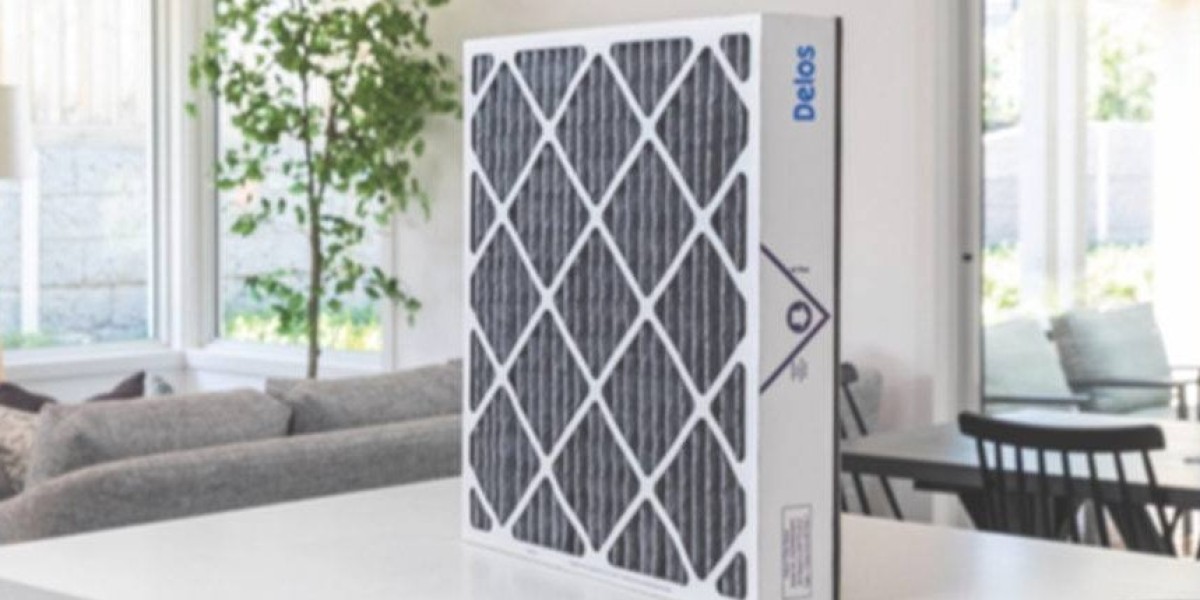

Indoor air quality has become a major concern for homeowners, especially as people spend more time indoors and become more aware of airborne pollutants. One of the most common questions homeowners face when upgrading their HVAC system is which air filter rating they should choose. MERV ratings, particularly MERV 8 and MERV 13, are frequently compared because they sit at very different points on the filtration spectrum. Understanding the difference between these two filter types helps homeowners balance air quality, system performance, and long-term maintenance costs. This knowledge is also fundamental for anyone looking to build technical expertise in HVAC systems and indoor air management.
What MERV RatingsIndoor Mean in HVAC Systems
MERV stands for Minimum Efficiency Reporting Value, a standardized rating system that measures how effectively an air filter captures particles from the air. The scale ranges from 1 to 20, with higher numbers indicating finer filtration. A higher MERV rating means the filter can trap smaller particles, such as pollen, mold spores, and even some bacteria, while lower ratings mainly capture larger debris like dust and lint.
In residential HVAC systems, MERV 8 and MERV 13 are among the most commonly discussed options. MERV 8 filters are widely used as a baseline standard in many homes, while MERV 13 filters are often recommended for improved indoor air quality. Understanding how these ratings affect airflow, filtration efficiency, and system strain is essential for homeowners and for those pursuing professional skills in Heating Ventilation Air Conditioning, where filter selection plays a direct role in system performance and occupant health.
MERV 8 Air Filters and Their Practical Use
MERV 8 air filters are designed to capture larger airborne particles, typically ranging from dust mites and pollen to lint and household debris. These filters are effective at improving basic indoor air quality without significantly restricting airflow. Because of this balance, they are commonly used in standard residential HVAC systems and are often recommended by manufacturers as a safe default option.
One of the biggest advantages of MERV 8 filters is their compatibility with most home HVAC units. They place minimal strain on the system’s blower motor, helping maintain efficiency and reduce energy costs. However, their limitation lies in their inability to capture smaller particles such as fine dust, smoke, or bacteria. While they are suitable for homes without specific air quality concerns, they may not provide sufficient protection for households with allergies, asthma, or pets that shed heavily.
MERV 13 Air Filters and Enhanced Air Quality
MERV 13 air filters offer significantly higher filtration efficiency compared to MERV 8 filters. They are capable of capturing smaller particles, including fine dust, smoke particles, mold spores, and even some airborne bacteria. This makes them particularly appealing for households concerned about allergies, respiratory conditions, or overall indoor air cleanliness.
The improved filtration of MERV 13 filters can noticeably enhance indoor air quality, especially in urban areas or regions with higher pollution levels. However, this increased efficiency comes with a trade-off. MERV 13 filters are denser, which can restrict airflow if the HVAC system is not designed to handle higher resistance. This is why proper system assessment and professional knowledge, often gained through Heating Ventilation Air Conditioning training, is crucial before recommending or installing higher-rated filters in residential systems.
Impact on HVAC System Performance and Energy Efficiency
One of the most important differences between MERV 8 and MERV 13 filters is their impact on HVAC system performance. MERV 8 filters allow air to pass through more freely, which helps maintain optimal airflow and reduces stress on system components. This often translates into lower energy consumption and fewer mechanical issues over time.
In contrast, MERV 13 filters can increase static pressure within the system if not properly matched to the equipment. This can cause the blower motor to work harder, potentially increasing energy usage and wear on components. While modern HVAC systems may be designed to accommodate higher-rated filters, older systems may struggle. Understanding these performance implications is essential for homeowners and technicians alike, as incorrect filter selection can reduce system lifespan and negate the benefits of improved air quality.
Health Considerations and Indoor Air Quality Needs
Health considerations play a major role in deciding between MERV 8 and MERV 13 filters. For households without significant health concerns, MERV 8 filters often provide sufficient protection against common airborne contaminants. They help keep the HVAC system clean while maintaining good airflow and efficiency.
However, for homes with allergy sufferers, elderly occupants, or individuals with respiratory conditions, MERV 13 filters can offer noticeable benefits. By capturing finer particles, these filters reduce airborne irritants that can trigger symptoms. This makes them a preferred choice in environments where air quality directly affects health and comfort. Professionals trained in Heating Ventilation Air Conditioning understand how to evaluate these needs and recommend solutions that balance filtration efficiency with system capability.
Cost, Maintenance, and Long-Term Value
Cost is another key factor when comparing MERV 8 and MERV 13 air filters. MERV 8 filters are generally more affordable and widely available, making them a cost-effective option for routine maintenance. They also tend to last longer between replacements because they do not trap as many fine particles.
MERV 13 filters, while more expensive upfront, can provide long-term value through improved air quality and reduced exposure to pollutants. However, they often require more frequent replacement due to faster particle buildup. Homeowners should consider both the initial cost and ongoing maintenance when making a decision. From a professional perspective, understanding these cost dynamics is essential for advising clients accurately and ensuring long-term system reliability.
Choosing the Right Filter for Your Home HVAC System
Choosing between MERV 8 and MERV 13 filters ultimately depends on your home’s HVAC system design, air quality needs, and health considerations. There is no one-size-fits-all solution, and improper filter selection can lead to reduced efficiency or system damage. Consulting an HVAC professional ensures that your system can handle higher-rated filters without compromising performance.