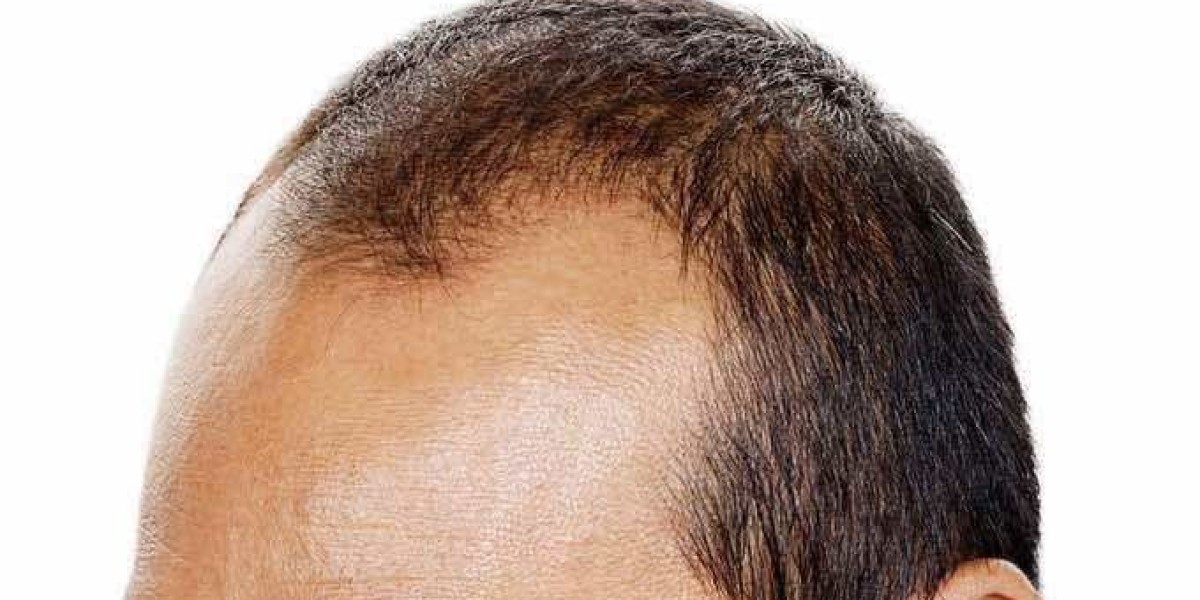

Hair loss can be a challenging experience for many, impacting confidence and self-image. Fortunately, modern advancements have made it possible to restore natural-looking hair through surgical procedures. In this comprehensive guide, we will explore the two most popular methods—Hair Transplant in Riyadh (زراعة الشعر في الرياض), Follicular Unit Transplantation (FUT) and Follicular Unit Extraction (FUE). Understanding these techniques is essential for anyone considering a hair transplant, as each approach has unique benefits, recovery timelines, and outcomes.
Understanding Hair Transplant
What Is Hair Transplant?
A hair transplant is a surgical procedure that moves hair follicles from a part of the body with dense hair (usually the back or sides of the scalp) to areas experiencing thinning or balding. This procedure ensures natural hair growth in the transplanted area and can significantly improve overall appearance and confidence. Hair transplants are now considered safe and effective, with results that can last a lifetime when performed by skilled professionals.
Who Can Benefit from Hair Transplant?
Hair transplant procedures are suitable for both men and women experiencing hair thinning, receding hairlines, or bald patches. Ideal candidates usually have healthy donor hair and realistic expectations. Understanding the available techniques is crucial, as the choice between FUT and FUE can affect the final results and recovery process.
FUT (Follicular Unit Transplantation) Explained
How FUT Works
FUT, commonly known as the strip method, involves removing a thin strip of scalp from the donor area. The harvested strip is then dissected under a microscope to extract individual follicular units. These units are carefully implanted into the thinning or balding area, following the natural hair growth pattern.
Advantages of FUT
High Graft Yield: FUT can provide a large number of grafts in a single session, making it ideal for patients with extensive hair loss.
Predictable Results: The procedure allows precise harvesting of follicular units, ensuring uniform and dense hair growth.
Cost-Effective: Compared to FUE, FUT may require fewer sessions for complete coverage in cases of significant hair loss.
Considerations with FUT
Linear Scar: FUT leaves a thin linear scar at the donor site, which can usually be hidden by surrounding hair.
Longer Recovery: The healing process is slightly longer due to the incision required for strip removal.
Limited Donor Flexibility: The procedure relies on a concentrated donor area, which may limit options for some patients.
FUE (Follicular Unit Extraction) Explained
How FUE Works
FUE is a minimally invasive technique that involves extracting individual follicular units directly from the donor area using a specialized punch tool. These units are then implanted into the recipient area to restore hair density. Unlike FUT, FUE does not require a large incision, making it a preferred choice for patients seeking minimal scarring.
Advantages of FUE
No Linear Scar: FUE leaves tiny, circular scars that are practically invisible, even with short hairstyles.
Faster Recovery: The minimally invasive nature of the procedure leads to quicker healing and less post-operative discomfort.
Flexibility in Donor Area: FUE allows harvesting from different areas of the scalp or even body hair if necessary.
Considerations with FUE
Time-Consuming: Extracting individual follicles can take longer, especially for larger sessions.
Cost: FUE is generally more expensive than FUT due to the labor-intensive process.
Limited Graft Yield per Session: For patients with extensive hair loss, multiple sessions may be required.
Comparing FUT and FUE
Key Differences
| Feature | FUT | FUE |
|---|---|---|
| Scarring | Linear scar | Tiny circular scars |
| Recovery Time | Longer | Shorter |
| Graft Yield | High | Moderate |
| Procedure Duration | Shorter per session | Longer per session |
| Suitability | Extensive hair loss | Small to medium bald areas or multiple sessions needed |
Choosing the Right Technique
The choice between FUT and FUE depends on factors such as hair loss severity, donor area availability, lifestyle preferences, and recovery expectations. Patients with extensive baldness might benefit from FUT, while those who prefer shorter hairstyles or minimal scarring often choose FUE. Consultation with an experienced specialist is essential to determine the most suitable approach.
Preparing for a Hair Transplant
Pre-Procedure Guidelines
Avoid smoking and alcohol consumption at least a week before the surgery.
Follow a balanced diet and maintain proper hydration.
Discuss any medications or supplements with your healthcare provider.
Prepare mentally for the procedure by understanding recovery timelines and expected results.
Post-Procedure Care
Avoid touching or scratching the transplanted area.
Use prescribed medications and follow post-operative instructions strictly.
Limit physical activities and exposure to sunlight during the initial recovery period.
Regularly wash hair with recommended gentle shampoos.
Expected Results and Recovery
Timeline of Results
First Two Weeks: Scabs form and minor swelling may occur.
1–3 Months: Transplanted hair may shed initially, a natural part of the growth cycle.
4–6 Months: New hair starts growing, gradually increasing in density.
12 Months: Final results are visible with fuller, natural-looking hair.
Maintaining Transplanted Hair
Long-term results depend on proper hair care, a healthy lifestyle, and following the clinic’s aftercare instructions. Regular follow-ups help monitor hair growth and address any concerns promptly.
FAQs:
1. Is Hair Transplant Painful?
Modern techniques, especially FUE, involve local anesthesia and cause minimal discomfort during and after the procedure. Most patients report only mild soreness.
2. How Long Does a Hair Transplant Last?
Transplanted hair is permanent as it retains its resistance to hair loss, providing long-lasting and natural results when properly maintained.
3. Can Women Opt for Hair Transplant?
Yes, women with thinning hair or specific bald patches are excellent candidates, and techniques can be adapted to suit their needs.
4. When Can I Resume Normal Activities?
Most patients can resume light activities within a few days, while more strenuous exercises should be avoided for 2–3 weeks.
Conclusion
Understanding the differences between FUT and FUE is essential for achieving the best results from a hair transplant. Both methods have unique advantages, and the choice depends on your hair loss pattern, lifestyle, and aesthetic goals. With proper preparation and aftercare, Hair Transplant in Riyadh can restore not just hair but confidence and self-esteem.
If you are considering a hair transplant, visit Royal Clinic Saudia (عيادة رويال السعودية) to explore the most suitable technique for you and take the first step toward a fuller, natural-looking hairline.