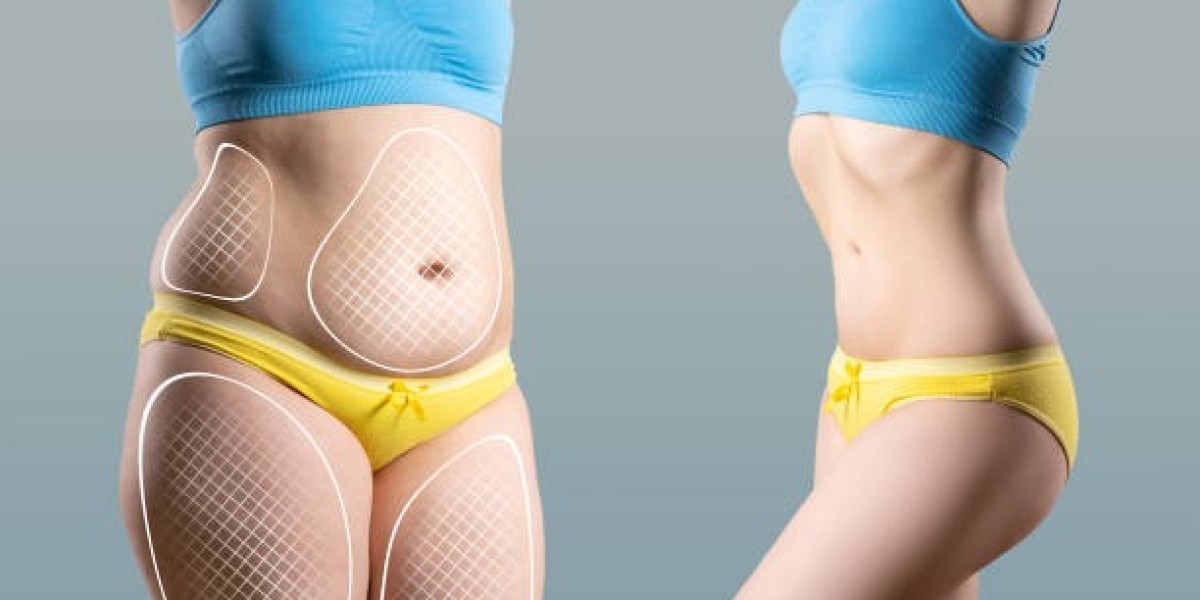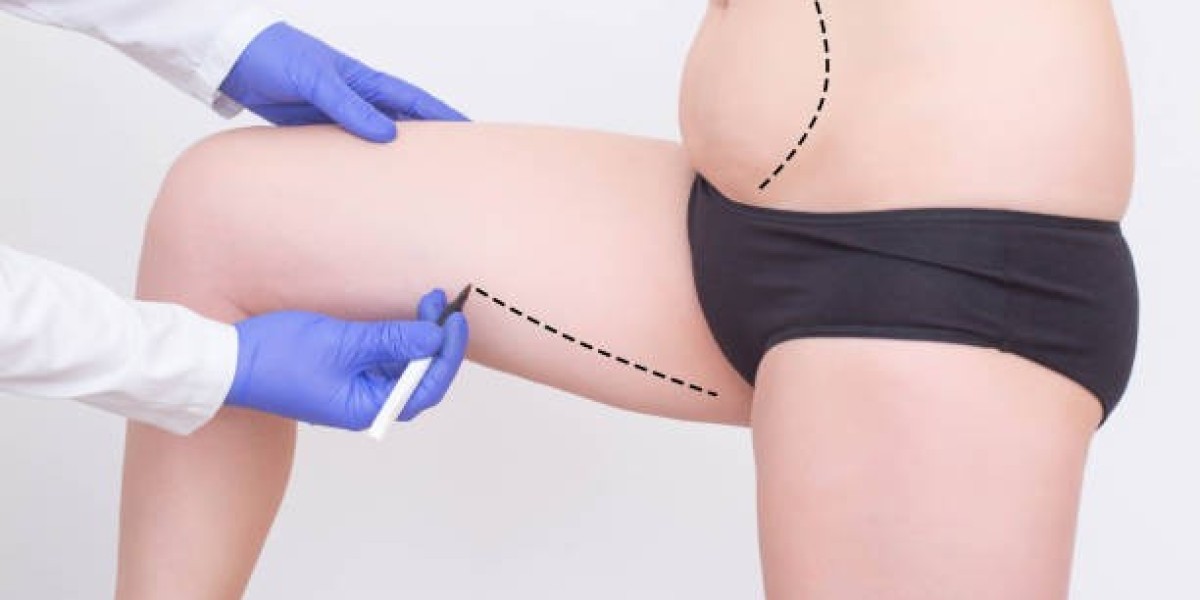

Liposuction in Riyadh has surged in popularity as a transformative body contouring solution, helping countless individuals achieve smoother silhouettes by targeting stubborn fat deposits. This minimally invasive procedure uses advanced techniques to remove excess fat from areas like the abdomen, thighs, and arms, delivering noticeable results with less downtime than traditional surgery. Yet, like any cosmetic enhancement, it comes with post-operative challenges—primarily pain and swelling—that patients must navigate for optimal healing.
In the initial days following liposuction in Riyadh(عملية شفط الدهون في الرياض), your body responds to the trauma of fat removal with natural inflammation, leading to discomfort and puffiness. Understanding how to manage these side effects empowers you to recover swiftly, unveiling your sculpted figure sooner. This guide dives into proven strategies, drawing from expert insights tailored to Riyadh's thriving cosmetic scene, ensuring you stay comfortable and confident throughout your journey.
Why Pain and Swelling Occur After Liposuction
Pain and swelling stem from the body's healing process after liposuction in Riyadh. During the procedure, small incisions allow a cannula to suction out fat cells, causing tissue disruption and fluid buildup. This triggers inflammation as your immune system rushes in to repair the area.
Swelling peaks within 48-72 hours, often making treated zones feel tight or numb. Pain varies from mild soreness to sharper twinges, influenced by the treatment area's size and your pain tolerance. Recognizing these as temporary signals your body is mending helps ease anxiety.
In Riyadh's warm climate, heat can exacerbate swelling, so proactive cooling becomes essential. By addressing root causes early, you minimize downtime and enhance results.
Factors Influencing Pain Intensity
Larger treatment areas like the abdomen amplify discomfort due to more extensive manipulation. Individual factors, such as skin elasticity and prior fitness levels, also play roles—fitter bodies often bounce back faster.
Swelling Patterns by Body Area
Thighs and flanks swell more noticeably due to gravity's pull, while abdominal puffiness might linger under compression garments. Knowing these patterns lets you prepare targeted relief.
Immediate Post-Op Care Strategies
Right after surgery, your surgeon equips you with compression garments—your first line of defense against swelling. These snug wraps apply even pressure, reducing fluid accumulation and stabilizing contours for even healing.
Ice packs, applied in 20-minute intervals, constrict blood vessels to curb inflammation. Alternate with gentle movement to boost circulation without straining incisions. Pain meds, typically prescribed anti-inflammatories like ibuprofen, tackle both ache and puffiness from hour one.
Hydration is key; drink plenty of water to flush out anesthesia remnants and support lymphatic drainage. Elevate treated areas when resting—prop legs on pillows for thigh liposuction in Riyadh—to let gravity aid fluid retreat.
Choosing the Right Compression Wear
Opt for medical-grade garments that fit snugly but not painfully. Wear them 24/7 for the first week, then taper as advised, ensuring breathable fabrics suit Riyadh's heat.
Medication Dos and Don'ts
Follow dosages precisely to avoid stomach upset. Skip aspirin or blood thinners unless cleared, as they heighten bruising risks.
Home Remedies for Natural Relief
Nature offers powerful allies for soothing liposuction in Riyadh recovery. Arnica gel, applied topically, reduces bruising and swelling through its anti-inflammatory prowess—many patients swear by it for faster fading of purple hues.
Epsom salt baths, once incisions seal (around day 5), relax muscles and draw out excess fluids. Pineapple's bromelain enzyme, consumed fresh or supplemented, acts as a natural anti-inflammatory, curbing puffiness from within.
Gentle lymphatic massages, starting week two under guidance, encourage drainage. Use light, upward strokes with oil to avoid irritating healing skin.
Herbal Teas to Sip Daily
Chamomile and ginger teas calm inflammation while promoting relaxation—perfect for winding down after active recovery days.
Dietary Tweaks for Healing
Load up on anti-inflammatory foods: berries, fatty fish, and leafy greens speed tissue repair, turning your kitchen into a recovery powerhouse.
Timeline for Pain and Swelling Resolution
Expect peak discomfort in days 1-3, easing significantly by week one. Swelling follows suit, with 50% reduction in 2-4 weeks and full resolution by 3-6 months as lymphatic systems fully adapt.
Track progress with photos; subtle shifts motivate adherence to care routines. By month two, most resume light exercise, feeling energized rather than encumbered.
Riyadh patients often notice quicker timelines thanks to modern techniques like Vaser-assisted liposuction in Riyadh, which minimizes trauma.
Week-by-Week Milestones
Week 1: Heavy swelling, moderate pain—rest dominates.
Week 2-4: Noticeable deflation, soreness fades to tenderness.
Month 2+: Contours sharpen, normalcy returns.
When to Seek Professional Help
Most manage at home, but red flags demand attention. Excessive pain unrelieved by meds, fever over 38°C, or foul drainage signals infection—contact your team immediately.
Asymmetrical swelling or sudden worsening might indicate hematomas. In Riyadh's expert clinics, prompt check-ins prevent complications, safeguarding your investment.
Err on caution; early intervention keeps recovery on track.
Signs of Normal vs. Problematic Recovery
Normal: Mild bruising, gradual fade. Problematic: Hot, red skin or pus-like discharge.
Long-Term Habits for Lasting Comfort
Sustain results by adopting anti-swelling lifestyles. Daily walks enhance circulation, while strength training post-clearance firms newly contoured areas.
Sun protection prevents hyperpigmentation on healing skin, vital in Riyadh's sunny climate. Maintain stable weight to preserve fat removal gains.
Exercise Routines to Embrace
Start with yoga or swimming—low-impact moves that drain lymph without bulking treated zones.
Ready to sculpt your ideal shape with minimal hassle? Liposuction in Riyadh at Enfield Royal Saudi (إنفيلد رويال السعودية) offers cutting-edge care tailored to your goals. Book a consultation today and step confidently into a pain-free, contoured future.
(Word count: 1,347)
Frequently Asked Questions
1. How long does swelling last after liposuction in Riyadh?
Swelling typically peaks in 48-72 hours, subsides 50% in 2-4 weeks, and fully resolves in 3-6 months with proper care.
2. What pain relief is safe immediately post-liposuction in Riyadh?
Prescribed NSAIDs like ibuprofen work best; ice and compression provide instant, drug-free soothing.
3. Can heat worsen swelling after liposuction in Riyadh?
Yes, Riyadh's climate amplifies it—stick to cool compresses and air-conditioned environments early on.
4. When can I massage for liposuction in Riyadh recovery?
Begin gentle lymphatic drainage after 1-2 weeks, ideally with professional guidance to avoid damage.
5. Do compression garments reduce pain from liposuction in Riyadh?
Absolutely—they stabilize tissues, limit movement-induced ache, and speed swelling reduction.
6. Is swelling normal months after liposuction in Riyadh?
Mild residual puffiness can linger up to 6 months; consult if it persists beyond for personalized advice.