
Hair loss is no longer a silent struggle limited to age or genetics; it has become a widespread concern affecting confidence, appearance, and emotional well-being. Men and women alike are searching for effective solutions that not only restore hair but also improve scalp health and prevent future thinning. Modern hair restoration has evolved far beyond traditional oils and medications, embracing regenerative science and personalized treatments that focus on long-term results rather than temporary fixes.
Among the most talked-about advancements today is Exosome Hair Therapy in Islamabad, a cutting-edge approach that represents a shift toward cellular-level regeneration. This innovative treatment has gained attention for its ability to stimulate dormant hair follicles, improve hair density, and enhance overall scalp vitality without surgical intervention. As awareness grows, more individuals are exploring this solution as a promising alternative to conventional therapies.
Understanding the Science Behind Exosome Therapy
Exosomes are tiny extracellular vesicles derived from stem cells that play a crucial role in cell-to-cell communication. They carry growth factors, proteins, and genetic material that signal cells to repair, regenerate, and rejuvenate. In hair restoration, these signals target weakened or inactive hair follicles, encouraging them to re-enter the growth phase and produce stronger, healthier strands. Unlike treatments that merely slow hair loss, exosome therapy aims to address the root cause by revitalizing the scalp environment.
Why Hair Loss Occurs and How Regeneration Helps
Hair loss can result from various factors including genetics, hormonal imbalance, stress, nutritional deficiencies, and environmental damage. Over time, these factors reduce blood flow and nutrient delivery to the scalp, causing follicles to shrink and eventually stop producing hair. Regenerative therapies work by restoring communication between cells, enhancing circulation, and creating conditions that allow follicles to function optimally again. This holistic approach makes modern treatments more effective and sustainable.
Benefits of Non-Surgical Hair Restoration
One of the biggest advantages of regenerative hair therapies is that they are non-surgical and minimally invasive. Patients can undergo treatment without incisions, stitches, or extended recovery periods. This makes it an appealing option for individuals who want natural-looking results without downtime. Additionally, non-surgical treatments often integrate well with other hair care strategies, allowing for customized plans based on individual needs and hair loss patterns.
What to Expect During the Treatment Process
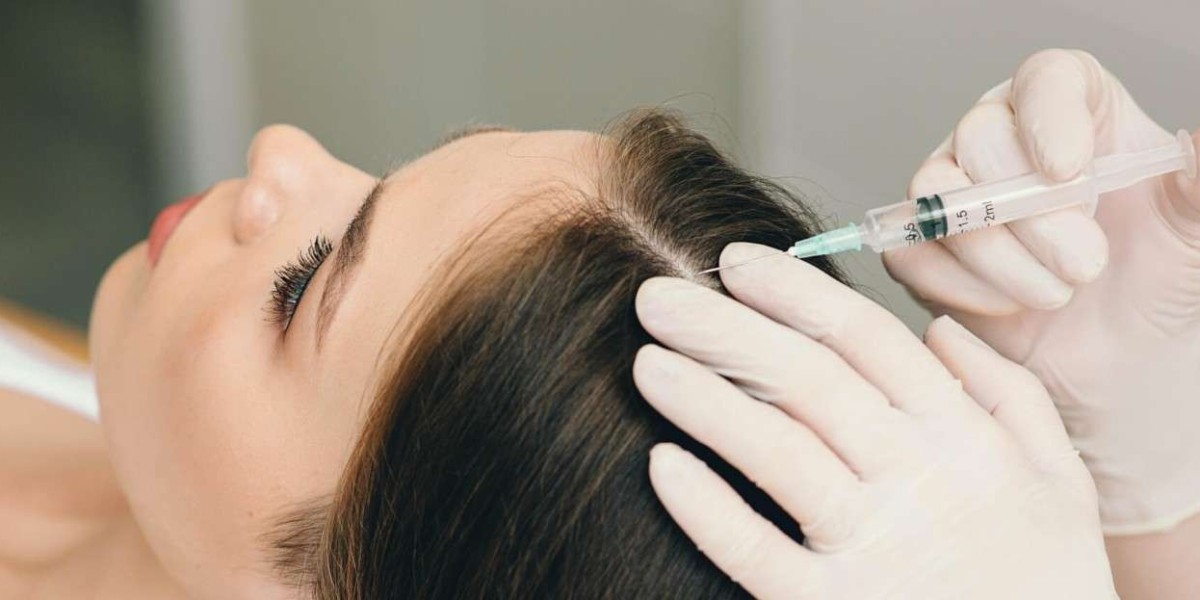
The treatment process typically begins with a detailed scalp assessment to determine the extent of hair thinning and follicle activity. Once the plan is tailored, exosome-based solutions are carefully applied or injected into targeted areas of the scalp. The procedure is generally well-tolerated, with minimal discomfort. Over the following weeks, patients may notice reduced shedding, improved texture, and gradual increases in hair density as the follicles respond to regenerative signals.
Who Can Benefit the Most from Advanced Hair Therapies
Individuals in the early to moderate stages of hair loss often experience the most noticeable benefits, as their follicles are still present but weakened. However, people with more advanced thinning may also see improvements in scalp health and hair quality. Both men and women experiencing pattern baldness, postpartum hair loss, or stress-related shedding can be suitable candidates, provided they undergo proper evaluation by a qualified professional.
Comparing Regenerative Therapy with Traditional Treatments
Traditional hair loss treatments often rely on medications that require long-term use and may cause side effects. While these options can slow hair loss, they rarely stimulate new growth. Regenerative therapies stand out by actively encouraging follicle repair and renewal. They focus on improving the scalp’s biological environment rather than masking symptoms, making them a forward-thinking choice for those seeking lasting improvement.
The Role of Scalp Health in Hair Regrowth
Healthy hair begins with a healthy scalp. Poor circulation, inflammation, and buildup can all hinder hair growth. Regenerative treatments help reduce inflammation, improve blood flow, and balance the scalp’s natural processes. When combined with proper nutrition and hair care routines, these therapies create an optimal foundation for sustained regrowth and stronger hair over time.
Long-Term Results and Maintenance
While regenerative treatments offer impressive results, maintaining hair health requires consistency and care. Periodic follow-up sessions, a balanced diet, and stress management all contribute to long-term success. Patients who adopt a comprehensive approach often enjoy thicker hair, improved confidence, and a reduced need for aggressive interventions in the future.
Choosing the Right Hair Restoration Path
Selecting the most suitable hair restoration method depends on individual goals, expectations, and the extent of hair loss. Consulting with experienced specialists allows patients to explore options, understand realistic outcomes, and design a plan that aligns with their lifestyle. For some, regenerative therapies provide sufficient improvement, while others may combine them with additional solutions for enhanced results.
In the broader journey of hair restoration, advanced regenerative treatments have opened new possibilities for those seeking natural and effective solutions. As technology continues to evolve, individuals also consider complementary options like Hair Transplant in Islamabad to achieve comprehensive and personalized outcomes that restore not only hair but also confidence and self-image.