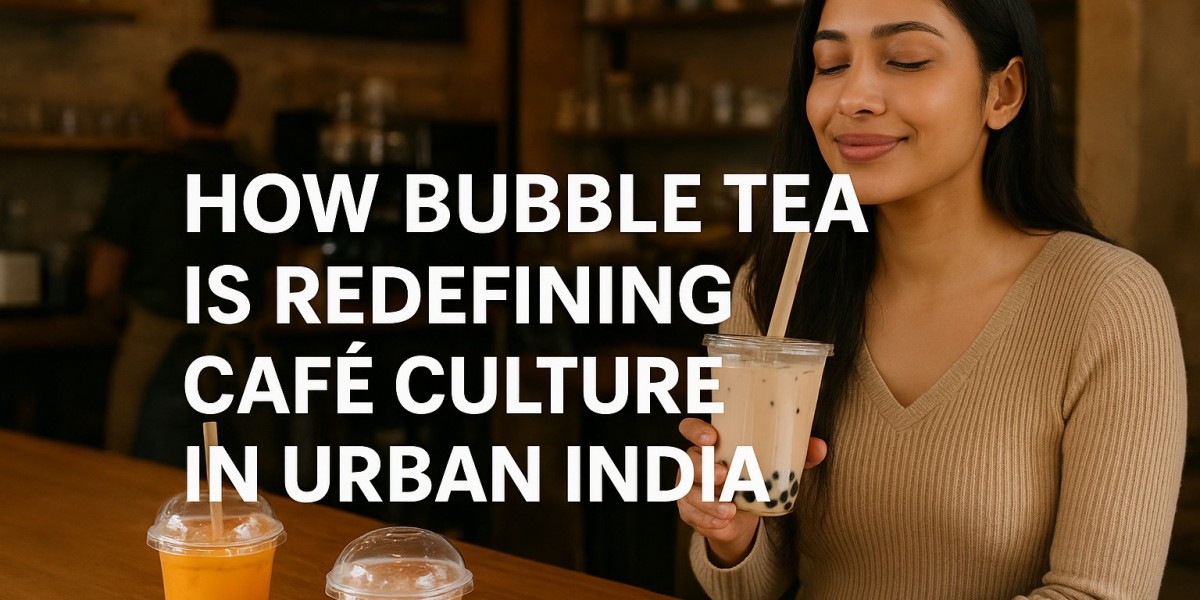

India’s café culture has evolved rapidly over the last decade. What once revolved around traditional chai and coffee has now expanded into a lifestyle-driven experience—and at the heart of this change is bubble tea in India. More than just a beverage, bubble tea has become a symbol of creativity, social connection, and global taste preferences embraced by urban consumers.
A New Generation of Café Experiences
Today’s customers don’t just visit cafés for drinks—they seek ambiance, Instagrammable moments, and unique menus. This shift has opened the door for modern café culture India to flourish, where global trends blend seamlessly with local tastes. Bubble tea fits perfectly into this space, offering customizable flavours, textures, and visual appeal.
From classic milk teas to fruit-based refreshers topped with tapioca pearls or popping boba, the variety keeps customers coming back. Cafés like Boba Bar have capitalised on this demand by curating menus that go beyond drinks, introducing waffles, pancakes, and Korean-style ice cream sundaes.
Why Bubble Tea Appeals to Urban India
One major reason bubble tea resonates with city audiences is choice. Customers can personalise sweetness levels, toppings, and even pair drinks with desserts. This flexibility aligns with the expectations of young consumers who value individuality and novelty.
The rise of urban café trends also shows a strong link between cafés and social life. Bubble tea cafés have become popular meeting spots for students, professionals, and creators. The experience is as important as the product, making bubble tea an essential part of India’s evolving café ecosystem.
The Role of Global Influence
International food trends heavily influence Indian urban dining habits. From Korean desserts to East Asian beverages, consumers are eager to explore new flavours. Bubble tea’s origins and global popularity add an aspirational value, making it more than just another cold drink.
At the same time, brands have adapted recipes for Indian palates by introducing mango, rose, chocolate, and coffee-based variations. This balance between global inspiration and local preference has accelerated the growth of bubble tea café India concepts.
Social Media and Youth Culture
Platforms like Instagram play a key role in shaping food choices. A visually appealing drink with vibrant colours and layered textures naturally attracts attention. This has helped bubble tea become a favourite among Gen Z and millennials, reinforcing its place in youth food trends India.
Cafés now design their spaces and products with content creation in mind. A cup of bubble tea is not just consumed—it’s photographed, shared, and talked about. This organic promotion strengthens brand visibility and footfall.
Beyond Drinks: A Complete Café Model
What sets bubble tea cafés apart is diversification. Many brands now offer desserts, combos, and seasonal specials, increasing average order value. This approach transforms a simple beverage outlet into a full-fledged café destination.
For entrepreneurs, this evolution presents exciting opportunities. With strong demand and scalable formats, bubble tea cafés are emerging as attractive business models within the Indian food and beverage industry.
The Future of Café Culture in India
As consumer preferences continue to shift toward experiences and premium offerings, bubble tea is expected to remain a key player. Its adaptability, visual appeal, and global roots position it perfectly within India’s modern café movement.
Brands that focus on quality, consistency, and innovation—like Boba Bar café experience—are shaping the future of how India sips, socialises, and celebrates flavour.