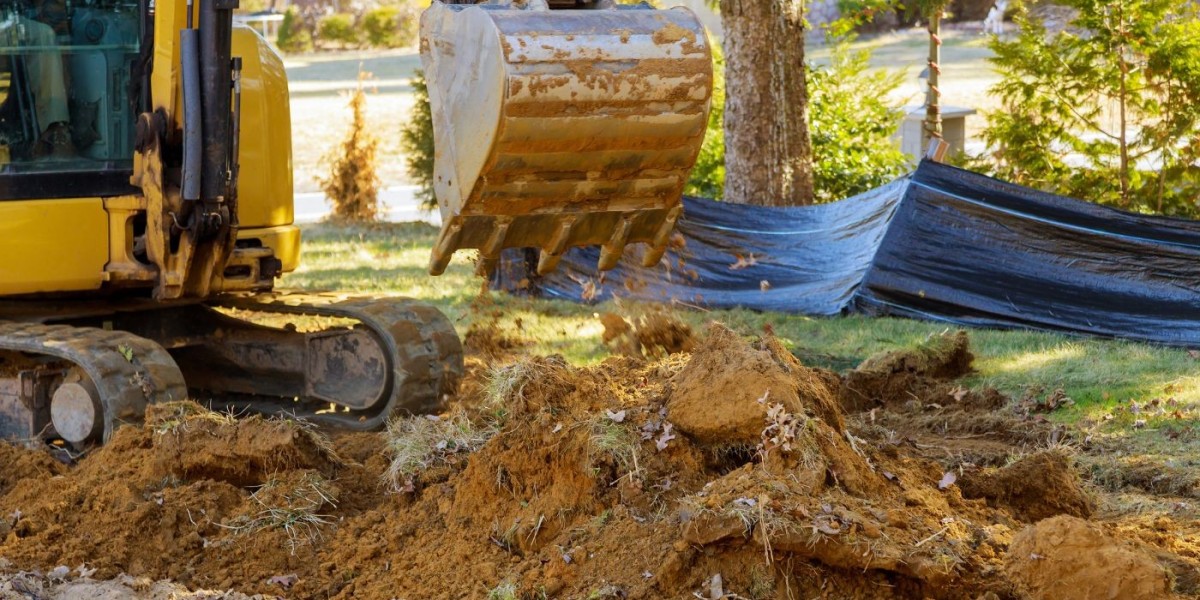

Some excavation projects are straightforward. Others demand a higher level of planning, experience, and adaptability. Tight residential lots, sloped terrain, aging infrastructure, variable soil conditions, and proximity to existing structures all add layers of complexity that cannot be solved with guesswork. On these projects, excavation becomes less about moving dirt and more about controlled precision.
For homeowners and builders seeking residential excavation services Spencer MA, understanding best practices for complex projects helps set realistic expectations and leads to better outcomes. At Groundscapes Inc., complex excavation work is approached with a combination of preparation, experience, and practical problem-solving developed over years of hands-on work in Central Massachusetts.
What Makes an Excavation Project “Complex”?
A complex excavation project is not defined by size alone. Some small residential jobs present more challenges than large open sites. Complexity often comes from constraints that limit margin for error.
Common factors include:
Limited access for equipment
Sloped or uneven terrain
Close proximity to existing homes or foundations
Unstable or mixed soil conditions
Older utility systems with incomplete records
Environmental or drainage concerns
The best excavation results come from recognizing these challenges early and building a plan around them rather than reacting as problems arise.
Thorough Site Evaluation Is the Foundation of Success
Every complex excavation project should begin with a detailed site evaluation. This step sets the tone for everything that follows.
Understanding Soil and Subsurface Conditions
Soil type directly affects excavation methods, slope stability, and drainage. Clay-heavy soils common in parts of Massachusetts behave very differently from sandy or gravel-based soils. Fill material from past construction adds another layer of unpredictability.
A well-experienced contractor evaluates soil behavior, moisture levels, and compaction requirements before finalizing an excavation approach. This reduces surprises once digging begins.
Identifying Hidden Constraints
Complex residential sites often hide challenges beneath the surface. Old septic systems, abandoned foundations, undocumented utility lines, and buried debris are more common than many homeowners realize.
A trusted excavation contractor in Spencer MA plans for these unknowns by allowing flexibility in equipment selection, scheduling, and disposal options.
Smart Planning for Equipment and Access
Equipment selection can determine whether a complex excavation stays efficient or turns into a logistical problem.
Matching Equipment to the Site
Large machines are powerful but not always practical. Tight residential properties may require compact excavators, specialized attachments, or staged material removal. Choosing the right equipment protects existing structures, landscaping, and utilities.
Industry-leading excavation teams focus on precision and control rather than raw power, especially on residential projects where space is limited.
Managing Access and Traffic Flow
Access planning is often overlooked. Where will machines enter and exit? Where will soil be stockpiled or loaded? How will delivery trucks move without damaging driveways or neighboring properties?
A reliable excavation plan accounts for these details upfront, preventing unnecessary delays and property damage.
Safety as an Ongoing Process, Not a One-Time Step
Complex excavation increases risk. Slopes, trenches, and nearby structures demand constant attention. Safety on these projects is not achieved by a single plan but through continuous evaluation.
Adjusting for Changing Conditions
Weather, groundwater, and soil conditions can change quickly. Rain can destabilize trench walls. Freeze-thaw cycles can alter soil strength overnight.
Results-driven excavation crews reassess conditions daily and adjust protective measures accordingly. This adaptability is critical on complex sites.
Clear Communication on the Job Site
Everyone on site must understand the plan and their role. Equipment operators, laborers, and supervisors need clear lines of communication, especially when working near structures or utilities.
Groundscapes Inc. emphasizes clear, consistent communication to ensure safety measures are followed without confusion or shortcuts.
Coordination With Other Trades and Stakeholders
Residential excavation rarely happens in isolation. Builders, plumbers, electricians, inspectors, and homeowners all have a stake in the process.
Timing and Sequencing
Complex projects require careful sequencing. Excavation that happens too early or too late can disrupt schedules and create rework. Coordinating trenching, foundation preparation, drainage installation, and backfilling is essential.
A top-rated excavation contractor works closely with other trades to keep the project moving smoothly without compromising quality.
Managing Expectations With Homeowners
Homeowners may not be familiar with excavation challenges. Clear explanations about timelines, noise, site conditions, and temporary disruptions build trust and reduce stress.
Affordable does not mean rushed. The best residential excavation services balance efficiency with realistic expectations.
Drainage and Water Management on Complex Sites
Water is one of the biggest threats to excavation stability and long-term performance.
Planning for Surface and Subsurface Water
Complex residential sites often have drainage issues that are not obvious until excavation begins. Water pooling, high water tables, and runoff from neighboring properties must be addressed early.
A proven excavation contractor integrates drainage planning into the excavation process, not as an afterthought. Proper grading, temporary dewatering, and long-term drainage solutions protect foundations and surrounding land.
Protecting Adjacent Structures
Water movement can undermine nearby foundations, retaining walls, and paved surfaces. Controlled excavation and backfilling help maintain stability beyond the immediate work area.
Real-World Example: Residential Excavation on a Sloped Lot
A recent residential project involved preparing a sloped lot for a new home with a walkout basement. The property had limited access, neighboring homes on both sides, and mixed soil conditions that included clay and old fill.
Initial excavation revealed groundwater seepage along the uphill side of the foundation area. Instead of proceeding as originally planned, the crew adjusted the excavation sequence. Temporary drainage channels were installed, and excavation was staged in sections to maintain stability.
Smaller equipment was used near property lines to reduce vibration and protect neighboring foundations. Communication with the builder ensured foundation work proceeded only once conditions were stable.
The project took slightly longer than a standard excavation, but the results were solid. The foundation remained dry, slopes were stable, and no damage occurred to surrounding properties. This is a clear example of how best practices and flexibility lead to better long-term results.
Precision Backfilling and Compaction Matter
Complex excavation does not end when digging stops. Backfilling and compaction are just as important as the initial excavation.
Layered Backfilling for Stability
Improper backfilling can cause settling, drainage issues, and structural stress. Layered backfilling with appropriate material ensures even support around foundations and utilities.
Well-experienced crews understand that rushing this phase undermines all the work that came before it.
Compaction Testing and Quality Control
High-performance excavation includes proper compaction methods tailored to soil type and project requirements. Compaction protects against future movement and costly repairs.
A reliable excavation contractor treats backfilling as a critical phase, not a formality.
Choosing the Right Excavation Partner for Complex Projects
Not every contractor is equipped for complex residential excavation. Experience, planning ability, and adaptability make a measurable difference.
When evaluating residential excavation services Spencer MA, look for contractors who:
Have proven experience with complex residential sites
Communicate clearly and honestly about challenges
Use innovative equipment suited to tight spaces
Prioritize safety and long-term performance
Demonstrate results-driven planning rather than shortcuts
Groundscapes Inc. brings a practical, disciplined approach to excavation, focusing on precision, safety, and outcomes that stand the test of time.
Final Thoughts: Complexity Requires Skill, Not Speed
Complex excavation projects demand patience, experience, and attention to detail. Shortcuts rarely save time in the long run. They simply shift costs and risks to later stages of construction.
By following best practices and partnering with a trusted excavation contractor, homeowners and builders can move forward with confidence. Proper planning, adaptive execution, and a commitment to quality ensure that even the most challenging residential excavation projects are completed safely and successfully.