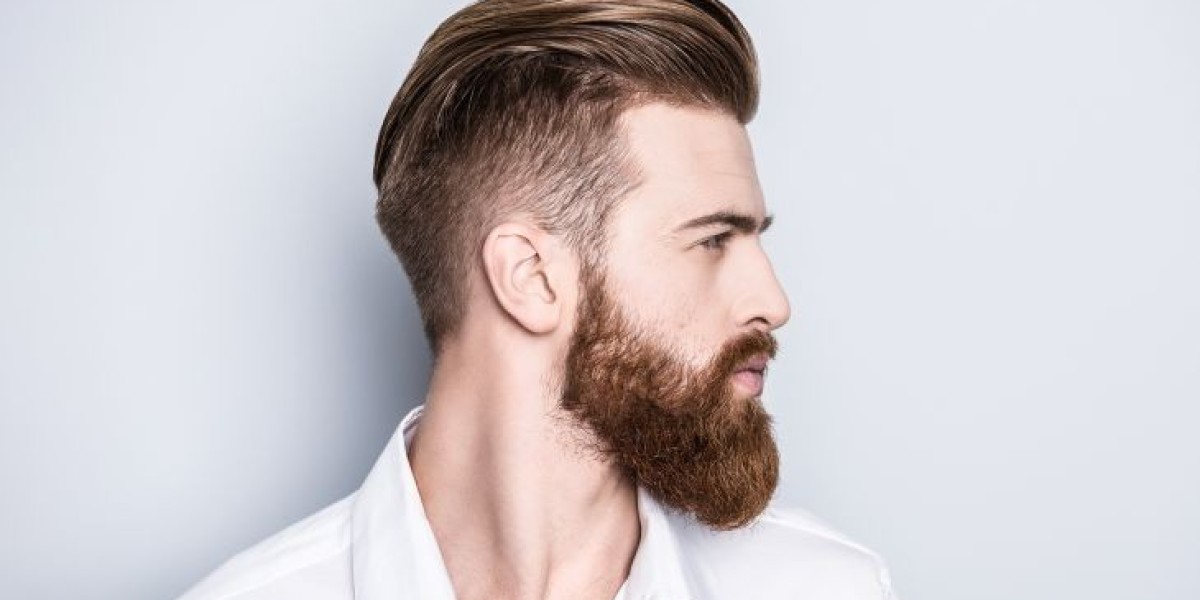

For men considering facial hair restoration, one of the most common concerns is whether the results will look natural. A well-executed Beard Hair Transplant in Riyadh(زراعة شعر اللحية في الرياض) can deliver a realistic, full beard that blends seamlessly with existing hair. Understanding how surgeons achieve natural aesthetics can help patients make informed choices and set realistic expectations.
The Role of Hair Follicle Selection:
Natural results begin with selecting the right donor hair. Typically harvested from the back or sides of the scalp, these follicles are chosen for their texture, thickness, and color. Factors influencing natural appearance include:
Matching hair density to the surrounding beard
Selecting compatible follicle texture and curl
Ensuring sufficient donor hair for uniform coverage
Precision in Follicle Placement:
One of the keys to achieving a natural look is precise follicle placement. Skilled surgeons consider the angle, direction, and spacing of each graft to mimic natural growth patterns. Critical elements include:
Matching the natural hairline of the beard
Gradual density transitions to avoid harsh lines
Alignment with existing facial hair direction
Advanced Techniques for Realistic Results:
Modern hair transplant techniques, such as Follicular Unit Extraction (FUE) and Direct Hair Implantation (DHI), enable surgeons to implant hair with unparalleled precision. These methods enhance the natural appearance by:
Allowing individual follicle placement
Minimizing trauma to surrounding tissue
Ensuring higher survival rates for transplanted hair
Blending with Existing Facial Hair:
Even with a patchy beard, existing hair must blend with newly transplanted follicles for a seamless outcome. Surgeons focus on:
Integrating new hair with existing growth patterns
Adjusting density in different regions of the beard
Maintaining consistency in length and texture
Addressing Scar Tissue and Irregular Growth:
Men with scars, burns, or uneven patches require additional planning to ensure natural aesthetics. Customized strategies may include:
Strategically placing follicles to camouflage scars
Using angled placement to replicate natural growth
Combining multiple techniques to achieve uniform coverage
Managing Patient Expectations:
Achieving a natural look also depends on understanding what the procedure can realistically deliver. Patients are guided to:
Expect gradual growth over several months
Understand the initial shedding phase of transplanted follicles
Recognize that final results often appear after 9–12 months
Long-Term Maintenance for Natural Appearance:
Once fully grown, transplanted beard hair behaves like natural facial hair, allowing for regular trimming and styling. Maintaining natural aesthetics involves:
Consistent grooming to maintain shape
Using beard oils or conditioners for healthy texture
Monitoring for uneven growth and addressing minor adjustments if necessary
Common Misconceptions About Beard Transplant Appearance:
Many men worry that transplants will look “pluggy” or artificial, but advanced techniques have largely debunked these myths. Key facts include:
Individual follicle placement prevents unnatural clumps
Proper density planning avoids overly thick or sparse areas
Experienced surgeons ensure natural contouring around facial features
Choosing the Right Clinic for Optimal Results:
The natural appearance of a beard transplant heavily relies on the surgeon’s skill and clinic standards. Important considerations include:
Board-certified surgeons with experience in facial hair restoration
Transparent consultations with realistic visual simulations
Positive patient reviews and documented before-and-after results
Final Thoughts:
A beard hair transplant can look completely natural when performed with precision, proper planning, and modern techniques. Men who choose Beard Hair Transplant in Riyadh can achieve a fuller, seamless beard that enhances their appearance and confidence while blending effortlessly with existing facial hair.