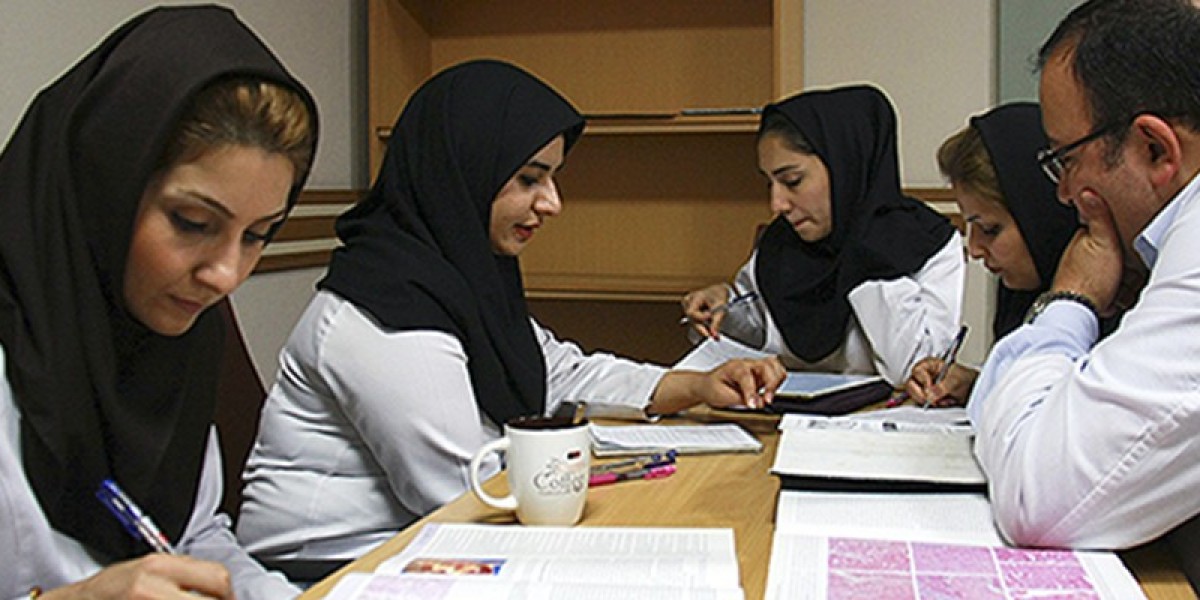

Pursue an MBBS in Bangladesh is a decision many Indian medical aspirants are making today not because of marketing claims or glossy brochures, but due to the strong similarities between Bangladesh’s medical education system and India’s own MBBS framework. For students who narrowly miss government seats in India or wish to avoid extremely high private college fees, Bangladesh offers a practical, familiar, and academically sound alternative. Unlike many foreign destinations where students face major differences in teaching style, language, or clinical exposure, Bangladesh provides an environment that closely mirrors Indian medical colleges, making the transition smoother and the learning curve more manageable.
Understanding the Academic Structure of MBBS in Bangladesh
The MBBS program in Bangladesh follows a curriculum that is heavily influenced by the Indian medical education model. The course duration is five years of academic study followed by a compulsory one-year internship. The syllabus includes foundational subjects such as anatomy, physiology, and biochemistry in the initial phase, gradually progressing to clinical subjects like medicine, surgery, pediatrics, obstetrics and gynecology, orthopedics, ophthalmology, and community medicine. Teaching methods are structured, exam-oriented, and concept-focused, which aligns well with the preparation required for licensing exams like FMGE or the upcoming NExT in India.
Most medical colleges in Bangladesh are affiliated with government universities and follow standardized assessment systems. Regular internal exams, professional examinations, and practical evaluations ensure that students remain academically disciplined throughout the program. For Indian students accustomed to structured learning and exam-based progression, this system feels familiar and reassuring.
Clinical Exposure: The Real Strength of MBBS in Bangladesh
One of the strongest ground-level advantages of studying MBBS in Bangladesh is the depth of clinical exposure. Medical colleges are attached to busy hospitals that serve large populations, resulting in high patient inflow. This exposes students to a wide variety of medical conditions, including tropical diseases, chronic illnesses, emergency cases, and surgical procedures that are highly relevant to medical practice in India.
Clinical postings usually begin relatively early in the course, and students are encouraged to actively participate in ward rounds, case discussions, patient history taking, and diagnostic reasoning under supervision. Unlike some countries where international students have limited patient interaction, Bangladesh allows hands-on clinical learning, which significantly improves confidence and practical competence. This real-world exposure is one of the key reasons why many graduates from Bangladesh perform well in FMGE and adapt quickly to clinical work in India.
Language, Teaching Style, and Academic Comfort
For Indian students, language plays a crucial role in understanding complex medical concepts. In Bangladesh, the MBBS program is taught in English, and most faculty members are fluent and experienced in teaching international students. Additionally, the medical terminology, textbooks, and teaching references used are similar to those followed in Indian medical colleges.
Although Bengali is the local language, students generally do not face major communication barriers within hospitals because many patients understand basic English or Hindi, and doctors often assist students during clinical interactions. This linguistic comfort makes learning more efficient and reduces the stress commonly experienced by students in non-English-speaking countries.
Cost Factor: Not Cheap, but Justified
From a ground-reality perspective, MBBS in Bangladesh is not the cheapest option abroad, but it is considered cost-effective when compared to private medical colleges in India. Tuition fees are higher than in some countries like Uzbekistan or Kyrgyzstan, but the return on investment is strong due to high academic quality, excellent clinical exposure, and better FMGE outcomes.
Living costs in Bangladesh are moderate. Students can manage accommodation, food, transport, and daily expenses comfortably without excessive financial pressure. Many colleges offer hostel facilities with Indian-style food, which helps students adjust easily and focus on studies. Parents often prefer Bangladesh because of geographical proximity and cultural familiarity, which adds to peace of mind.
Discipline, Attendance, and Academic Rigor
Bangladesh medical colleges are known for strict academic discipline. Attendance requirements are taken seriously, internal assessments are regular, and students are expected to maintain consistent performance. This disciplined approach prepares students for the demanding nature of medical practice and future licensing exams.
While this environment may feel demanding, it ultimately benefits students by instilling strong study habits, clinical responsibility, and professional ethics. Indian students who thrive in structured and guided academic systems often find Bangladesh’s approach highly effective.
Recognition and Licensing Pathway for Indian Students
Medical colleges in Bangladesh recognized by the National Medical Commission (NMC), WHO, and other global bodies allow Indian students to return to India and appear for FMGE or NExT. Since the curriculum and clinical exposure closely match Indian standards, graduates often find it easier to adapt to the Indian healthcare system.
Beyond India, graduates can also pursue postgraduate studies or medical practice in countries like the UK, Australia, or the Middle East after clearing the respective licensing exams. The strong foundational training provided in Bangladesh supports multiple global career pathways.
Student Life and Cultural Adaptation
Life in Bangladesh is culturally comfortable for Indian students. Food habits, social norms, festivals, and daily lifestyle are familiar, reducing homesickness. The presence of a large Indian student community further enhances social support and emotional well-being.
Cities hosting medical colleges are generally safe, and campuses maintain strict security. Students often describe Bangladesh as one of the easiest countries for Indian students to adapt to, both academically and socially.
Who Should Consider MBBS in Bangladesh
MBBS in Bangladesh is especially suitable for students who want strong clinical exposure, an India-like academic system, and a smoother FMGE/NExT transition. It is ideal for those who may not secure a government seat in India but still want high-quality education without the risks associated with unfamiliar medical systems.
Conclusion
A ground-reality assessment of MBBS education in Bangladesh shows that it offers far more than just a foreign degree. It provides Indian students with structured academics, extensive clinical exposure, linguistic comfort, cultural familiarity, and a realistic pathway back to Indian medical practice. While it requires financial commitment and academic discipline, the outcomes—both in terms of competence and career readiness—make Bangladesh one of the most reliable MBBS destinations for Indian students. For aspirants seeking quality, familiarity, and long-term value, Bangladesh stands out as a practical and proven choice.