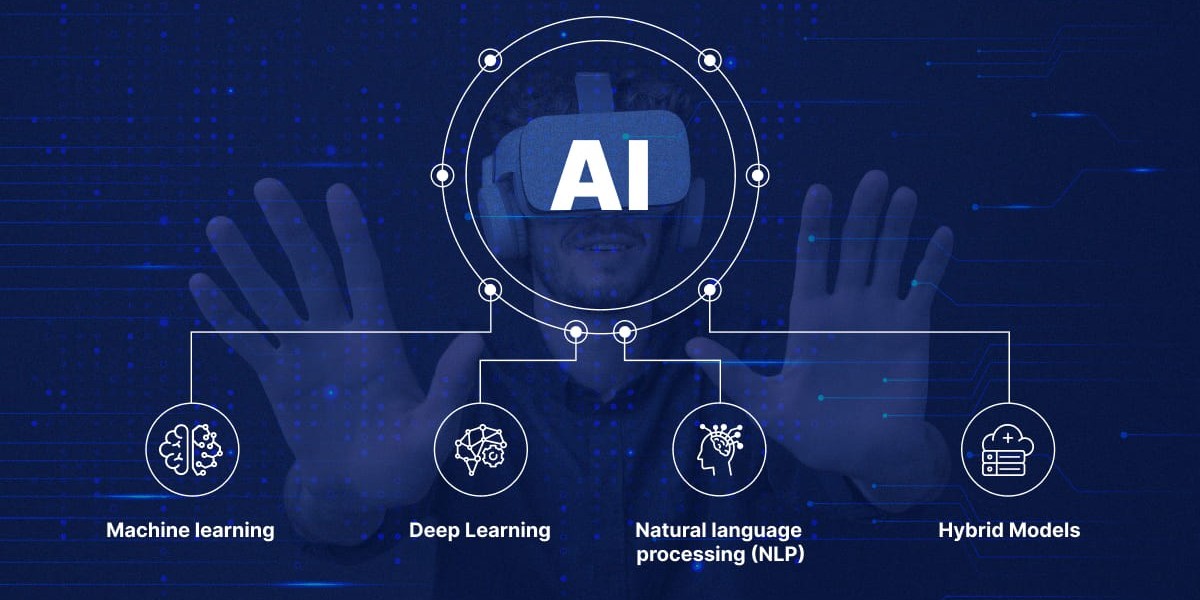

In today’s fast-paced digital era, businesses are increasingly looking for ways to process data faster, smarter, and closer to the source. One of the most promising approaches is leveraging edge ai solutions to enhance real-time decision-making and operational efficiency. These solutions enable companies to reduce latency, save bandwidth, and improve the overall performance of their systems. However, one key question that businesses often ask is: what are the costs associated with implementing edge machine learning solutions?
Understanding Edge Machine Learning Solutions
Edge machine learning involves deploying machine learning models directly on edge devices rather than relying solely on centralized cloud servers. This setup allows devices such as IoT sensors, mobile devices, and industrial machines to process data locally, ensuring faster responses and more reliable operations. The combination of machine learning edge computing provides an intelligent system that can operate independently while still integrating with cloud-based analytics when necessary.
While the advantages are clear—reduced latency, improved security, and lower cloud costs—the financial aspect of adopting edge AI can vary significantly depending on several factors.
Factors Influencing the Costs of Edge Machine Learning Solutions
Hardware Requirements
Edge devices need sufficient computational power to run machine learning algorithms efficiently. The cost of hardware can range from affordable microcontrollers for small IoT devices to high-performance GPUs for industrial applications. The choice of hardware directly impacts both initial investment and long-term maintenance costs.Software and Development Services
Implementing edge machine learning often requires custom software solutions. Businesses may choose an edge ai development service to design, deploy, and maintain these models. The complexity of the solution, the type of models used, and the scale of deployment all influence the cost of development. Hiring professional services ensures that the system is optimized and scalable, but it also comes at a higher upfront expense.Model Training and Updates
Developing effective machine learning models requires high-quality datasets and substantial computational resources for training. Once deployed, models must be updated regularly to maintain accuracy. These costs can accumulate over time, especially for organizations handling large volumes of data or requiring frequent model retraining.Integration with Existing Infrastructure
Edge machine learning solutions must integrate seamlessly with an organization’s existing IT and operational systems. This integration can include connecting to cloud storage, databases, and enterprise software. The complexity of integration can influence both the cost and the timeline for deployment.Maintenance and Support
Maintaining edge devices and ensuring that models perform accurately over time requires ongoing support. This includes monitoring device performance, troubleshooting issues, and deploying updates. Engaging a reliable service provider can ensure smooth operations, but it also adds to operational costs.Security and Compliance
Data processed at the edge still needs protection from unauthorized access and breaches. Implementing robust security measures, such as encryption, secure access protocols, and compliance with data regulations, adds another layer of cost to edge AI projects.
Cost Ranges for Edge Machine Learning Implementations
The cost of edge machine learning solutions varies widely depending on the scale and complexity of the project. Small-scale deployments, such as adding smart sensors to a factory line, may cost a few thousand dollars. Mid-sized projects involving multiple devices, custom software, and periodic model updates can range from tens of thousands to hundreds of thousands of dollars. Large-scale enterprise solutions with hundreds of edge devices, advanced machine learning models, and full-service support may reach several million dollars.
Engaging a professional edge ai development service can help businesses get a precise estimate tailored to their specific requirements. Expert service providers can evaluate the hardware, software, and operational needs and provide a detailed cost structure, ensuring no hidden expenses.
Benefits Justifying the Cost
While the upfront investment in edge machine learning solutions may seem substantial, the benefits often outweigh the costs:
Reduced Latency: Processing data locally minimizes delays, improving real-time decision-making.
Bandwidth Savings: Less reliance on cloud communication reduces data transfer costs.
Enhanced Security: Sensitive data can be processed at the edge without sending it to centralized servers.
Scalability: Edge AI systems can be scaled gradually, allowing businesses to invest incrementally.
Operational Efficiency: Automated decision-making at the edge reduces human intervention and operational errors.
Choosing the Right Edge AI Development Partner
Selecting a reliable partner is crucial for optimizing costs and ensuring successful deployment. Businesses should consider service providers that offer end-to-end solutions, from consulting and hardware selection to model deployment and support. An experienced edge AI company can provide insights into cost-saving strategies, performance optimization, and future scalability.
Conclusion
Investing in edge machine learning solutions requires careful planning and budgeting. From hardware and software development to integration, maintenance, and security, multiple factors influence the overall cost. Partnering with a professional edge ai solutions provider can help businesses navigate these challenges effectively. By understanding the costs and potential ROI, organizations can make informed decisions and leverage edge AI to gain a competitive advantage in today’s data-driven world.