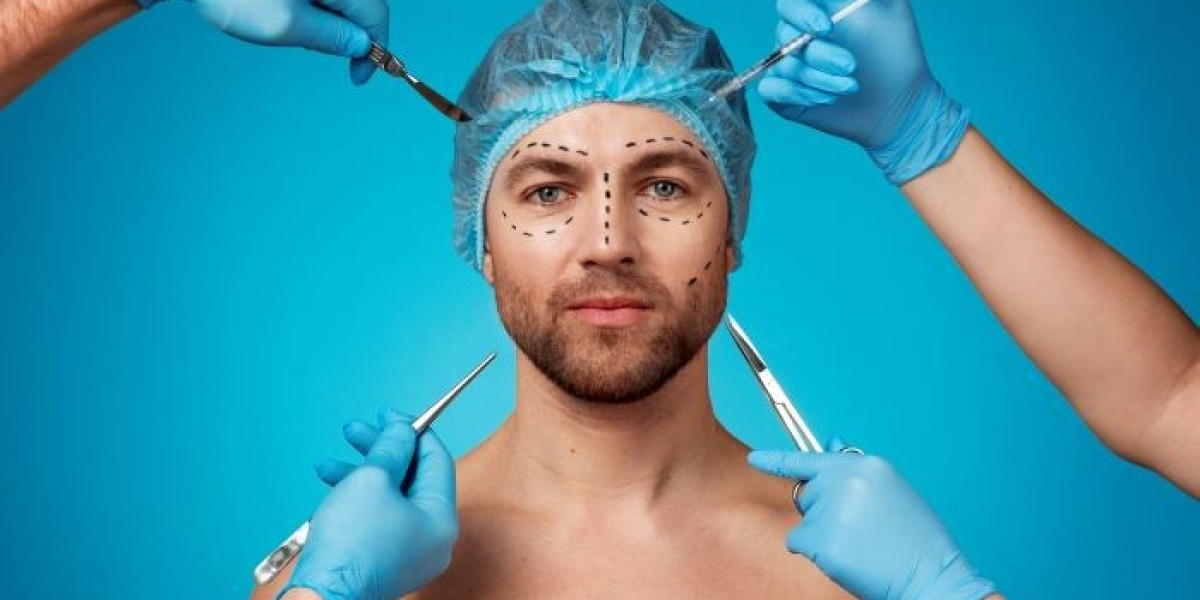

Facial balance and symmetry are central to aesthetic appeal, but understanding them requires more than a casual glance. A skilled surgeon evaluates how facial features relate to each other and to overall proportions. When working with a Plastic Surgeon in Riyadh, patients benefit from this comprehensive analysis, which combines artistry, anatomy, and advanced techniques to achieve natural, harmonious results. Proper evaluation ensures that procedures enhance the face as a whole rather than focusing on isolated features.
Assessing Overall Facial Proportions:
A plastic surgeon begins by examining the face in its entirety, considering height, width, and spatial relationships between features. This assessment helps identify areas where adjustments could improve harmony without overemphasizing any single aspect. Key considerations include:
Vertical thirds of the face (forehead, midface, lower face)
Horizontal fifths to evaluate eye, nose, and mouth spacing
Jawline and cheekbone alignment relative to other features
Evaluating Symmetry:
Symmetry is a critical component of facial attractiveness, though perfect symmetry is rare. A surgeon identifies subtle asymmetries that may be natural or result from aging, trauma, or genetics. Understanding these differences allows for corrections that maintain a natural appearance rather than forcing artificial uniformity. Observations often include:
Differences in eyelid height or shape
Uneven nostrils or nasal bridge deviations
Variations in lip fullness or jaw contour
Analyzing Individual Features:
Beyond overall symmetry, each feature is evaluated for proportion and relationship to adjacent structures. This granular approach helps ensure that modifications enhance harmony. Common focus areas include:
Eyes: spacing, size, and eyelid contours
Nose: bridge, tip projection, and width
Lips: proportion to nose and chin, symmetry of upper and lower lips
Cheeks and jaw: prominence, contour, and alignment with facial midline
Considering Ethnic and Cultural Characteristics:
A skilled plastic surgeon respects individual identity by considering ethnic and cultural features. Adjustments are guided by enhancing natural traits rather than conforming to a generalized aesthetic standard. This approach ensures results remain authentic and aligned with patient expectations, promoting confidence and satisfaction.
Assessing Skin Quality and Soft Tissue:
Facial balance is influenced not only by bone structure but also by skin texture, elasticity, and soft tissue distribution. A plastic surgeon evaluates these elements to determine how features will respond to surgery and aging. Considerations include:
Thickness and elasticity of skin
Presence of wrinkles or fine lines
Volume loss or sagging in cheeks or jawline
Utilizing Imaging and Visualization Tools:
Modern surgeons often use imaging software and 3D modeling to analyze facial balance. These tools allow both surgeon and patient to visualize potential outcomes and understand how adjustments in one area affect overall symmetry. Benefits include:
Accurate preoperative planning
Clear communication of expected results
Enhanced precision during procedures
Prioritizing Proportion Over Perfection:
While symmetry is desirable, proportion is even more critical. A plastic surgeon ensures that features are balanced relative to each other rather than striving for exact replication on both sides. This principle creates natural-looking results that age gracefully. Techniques often include:
Subtle refinement rather than dramatic alteration
Harmonizing nose, lips, and chin relationships
Adjusting contours to enhance overall facial flow
Developing a Personalized Surgical Plan:
After evaluating balance and symmetry, the surgeon creates a tailored plan that addresses the patient’s specific concerns. This plan integrates anatomy, aesthetic goals, and lifestyle considerations. Key elements often involve:
Prioritizing changes with the greatest visual impact
Staging procedures for safety and optimal results
Incorporating both surgical and non-surgical options as needed
Communicating Observations with Patients:
Effective communication ensures patients understand the rationale behind proposed procedures. A plastic surgeon explains how adjustments will improve harmony and addresses concerns about asymmetries or expected changes. Transparency fosters trust and helps patients feel informed and confident.
Final Thoughts
Evaluating facial balance and symmetry is a meticulous process that combines anatomical knowledge, artistic insight, and patient-centered planning. By considering overall proportions, individual features, and soft tissue dynamics, a Plastic Surgeon in Riyadh creates outcomes that are harmonious, natural, and tailored to the individual. Focusing on balance rather than rigid perfection ensures patients achieve results that enhance their appearance while preserving authenticity and identity.