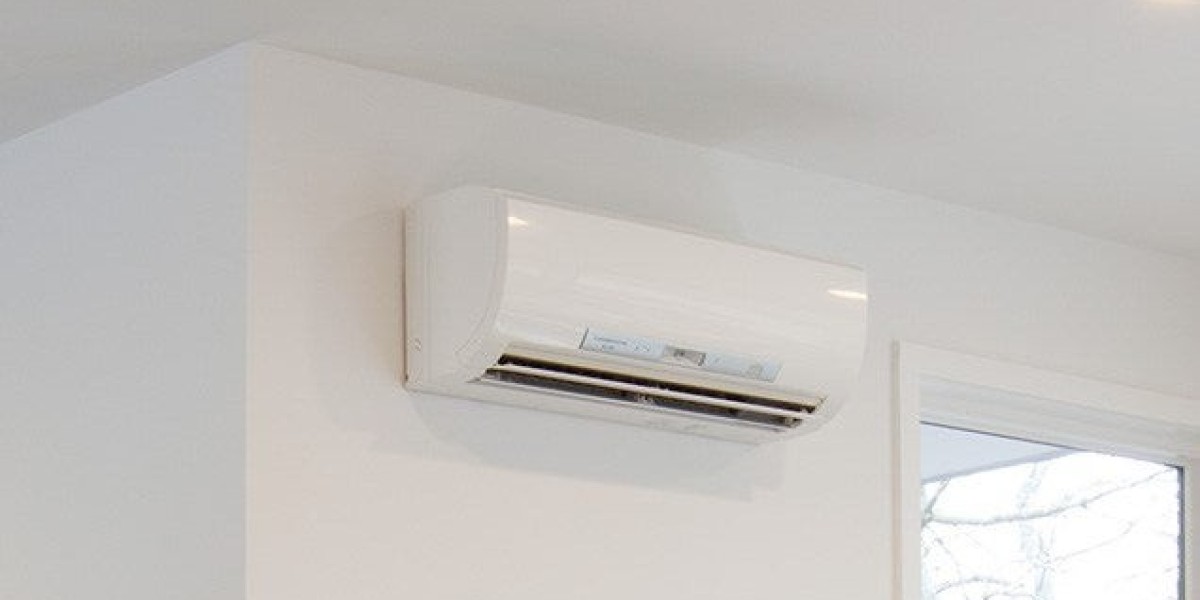

A correctly planned ductless mini split ac delivers quiet, zoned comfort with excellent efficiency and minimal disruption — but only when you treat the project as engineering rather than a quick product swap. This long-form guide walks through everything that matters: how ductless systems work, accurate sizing and zoning, indoor head styles and placement, outdoor condenser and line-set best practices, electrical and condensate considerations, commissioning and measured acceptance, maintenance and seasonal care, troubleshooting, incentives, and when DIY is realistic versus when to call a pro. Read this before buying or installing a ductless mini split ac and you’ll avoid the common mistakes that turn a great technology into a recurring headache.
1. What a ductless mini split ac actually is — fundamentals
A ductless mini split ac is a heat-pump system composed of one outdoor condenser and one or more indoor air handlers (heads). Refrigerant circulates between units through a small line-set; each indoor head has its own thermostat and often independent fan control, which makes true zoning simple. Modern systems use inverter-driven compressors that modulate capacity continuously, improving part-load efficiency, reducing cycling losses, and enhancing humidity control. Because there are no ducts, you avoid the distribution losses and leakage problems that plague forced-air systems, and you gain the flexibility to add zones without major construction.
2. When a ductless mini split ac is the right choice
Ductless mini split ac systems shine in several scenarios:
Retrofits where adding ductwork is impractical or too costly.
Additions, finished basements, sunrooms, or converted garages.
Homes needing targeted zoning (bedrooms, home offices) to save energy.
Multi-family or guest units requiring independent control.
Areas where quiet, localized comfort and rapid installation are priorities.
They’re also a great option for heat-pump heating in moderate climates, but take care in very cold climates — select models rated for low ambient operation and understand defrost behavior.
3. Accurate sizing: Manual J beats square-foot rules every time
The single biggest determinant of satisfaction with a ductless mini split ac is correct sizing. Ignore blanket rules like “X BTU per square foot.” Perform a room-by-room heat-load calculation (Manual J) to account for insulation, window area and orientation, ceiling height, occupancy, internal gains, and local design temperatures. Oversizing leads to short-cycling, poor dehumidification, and wasted energy; undersizing results in continuous operation and failure to meet comfort on the hottest days.
For multi-zone systems, do a combined diversity analysis: total indoor nominal capacity may exceed the outdoor condenser’s continuous effective capacity due to diversity factors, and manufacturer limits on total indoor capacity and maximum line length must be respected.
4. Zoning strategies: the power of independent control
One of the biggest advantages of a ductless mini split ac is zoning. Good zoning matches equipment to occupancy patterns:
Group bedrooms on their own zones with night setbacks.
Place living areas and kitchens on separate zones; kitchen gains can dominate the load.
Use a separate zone for finished basements or sunrooms with different solar loads.
For larger homes, consider multiple outdoor units rather than one oversized condenser to simplify line-set routing and improve redundancy. Also evaluate variable-capacity outdoor units that modulate from low to high output — they provide the best comfort and humidity control across a range of loads.
5. Indoor head styles and optimal placement
Indoor heads come in several styles — wall-mounted (high-wall), ceiling cassette, floor console, and concealed-duct. Choose by room function and aesthetics:
High-wall units (most common) offer good mixing and easy maintenance access. Mount high to promote downward throw but avoid placing directly over seating to prevent drafts.
Ceiling cassettes distribute air evenly in open areas and keep walls clean. They require ceiling access and proper framing.
Floor consoles are ideal for retrofits with low wall space.
Concealed-duct units feed grilles for a finished look and diffuse supply but need short duct runs and attic or ceiling space.
Placement rules: locate heads to encourage mixing rather than short-circuiting; keep them accessible for filter cleaning; leave clearances per the manufacturer to ensure serviceability.
6. Outdoor condenser siting, vibration, and noise control
Proper condenser siting affects both performance and neighbor relations:
Mount on a level pad with recommended clearances for airflow and service access.
Avoid alcoves that recirculate hot discharge air.
Elevate units above typical snow accumulation in cold climates.
Use anti-vibration pads or spring isolators if noise or structure-borne vibration is a concern.
Plan service access — don’t hide condensers behind landscaping that will block a technician.
Good siting maximizes capacity and reduces noise complaints.
7. Line-set routing, insulation, and refrigerant management
Keep line-set runs as short and direct as practical. Long vertical rises or excessive combined length can require special oil-management steps and charge adjustments. Key practices:
Follow manufacturer limits on maximum line length and elevation change.
Insulate suction lines to prevent condensation and efficiency loss.
Support and protect runs with proper clamps and conduit where they pass through finishes.
When runs exceed factory pre-charge allowances, a certified technician must perform evacuation and charge by weight using a scale and micron gauge to remove moisture and non-condensables.
Never guess refrigerant charge — correct superheat/subcooling is crucial for compressor life and efficiency.
8. Electrical work and safety
Electrical details matter:
Provide a dedicated circuit sized to the outdoor unit nameplate and a properly installed disconnect within sight of the condenser.
Ensure correct wire gauge and overcurrent protection per codes.
Verify voltage and phase (single vs three phase) match unit requirements.
For multi-zone installations, check control wiring requirements — many modern systems use a simple communication cable but follow OEM wiring diagrams.
Poor electrical work causes hard-to-trace failures and may void warranties.
9. Condensate handling — avoid indoor water damage
Condensate drains must be robust:
Prefer gravity drains where possible; maintain a positive slope.
Use a properly sized condensate pump with an overflow switch when gravity drain isn’t possible.
Protect pumps and lines from freezing in cold locations or use insulated lines and heat tracing where necessary.
Ensure drains terminate to legal disposal points — never route condensate into attics or cavities.
A neglected condensate path is a common source of callbacks for “leaking” systems.
10. Controls, connectivity, and user experience
Controls range from included remotes to Wi-Fi modules with smartphone apps and integration into home automation. Best practices:
Provide local manual controls so basic functions work even if networks fail.
If using Wi-Fi modules, plan for secure credentials and network segmentation (separate IoT SSID/VLAN).
Program simple presets for occupants (Comfort, Eco, Sleep) rather than many confusing modes.
Use occupancy-based scheduling where appropriate to reduce runtime and improve comfort.
Design a simple, consistent UX — if it’s hard to use, people will defeat the system with overrides.
11. Commissioning: measured acceptance you should demand
Commissioning is non-negotiable — it proves the installation meets design targets. A professional commissioning for a ductless mini split ac should include:
Verification of refrigerant charge (superheat/subcooling) or confirmation of pre-charge limits for short line-sets.
Measurement of suction and discharge pressures under load and comparison to expected values at ambient conditions.
Measurement of airflow (CFM) and supply/return temperature split (delta-T).
Electrical measurements: supply voltage, compressor amps, and fan motor currents.
Defrost behavior check in heating mode (for heat pumps) and validation of recovery time.
Network and control tests — ensure remote control, schedules, and local overrides function.
A commissioning report with baselines (pressures, temps, amps, firmware, serials) provided to the owner.
A commissioning report is your proof for warranty claims and future troubleshooting.
12. Maintenance and seasonal care
Routine maintenance keeps a ductless mini split ac running efficiently:
Indoor filters: clean or replace monthly during heavy use, at least quarterly otherwise.
Indoor coil: inspect and clean annually to maintain heat exchange.
Outdoor coil: keep clear of vegetation and rinse annually.
Electrical: inspect and tighten connections annually.
Condensate: verify drain integrity and pump operation.
Firmware: stage and test updates for Wi-Fi or control modules to avoid regressions.
Consider a modest annual maintenance contract to document work and preserve warranty compliance.
13. Troubleshooting: systematic checks for common issues
Common symptom → first checks:
Insufficient cooling: verify airflow (clean filter), outdoor coil cleanliness, refrigerant charge, and correct head sizing.
Short-cycling: likely oversized unit, thermostat placement too close to supply, or control misconfiguration.
Poor dehumidification: often caused by oversized equipment or operation in high-fan-speed modes — favor longer low-speed operation.
Condensate overflow: check slope, pump operation, and float switch.
Noisy operation: check outdoor mounting pads, fan blades, and that indoor head is secured and isolated from structure-borne vibration.
Always compare live measurements to commissioning baselines to find drift.
14. Cold-climate operation and defrost cycles
If you rely on a ductless mini split ac for heating in cold climates, choose models rated for low-ambient performance and review defrost logic. Defrost cycles temporarily reduce heat output; commissioning should include defrost observation and checking recovery. Consider models with crankcase heaters, enhanced low-ambient options, or supplemental heat if temperatures regularly go below manufacturer guidelines.
15. Incentives, rebates, and lifecycle economics
Many utilities and governments offer rebates for heat-pump installations; check local incentives. When evaluating lifecycle cost, factor in:
Equipment efficiency (SEER/HSPF) and expected runtime.
Zoning capability that reduces runtime in unoccupied zones.
Maintenance costs and projected compressor life.
Potential rebates and tax credits for high-efficiency heat pumps.
High-efficiency inverter systems typically deliver the best long-term value in suitable climates.
16. DIY vs. professional install — realistic boundaries
Some entry-level ductless mini split ac models advertise DIY install features (pre-charged lines, simplified wiring). If you’re competent, local code allows it, and line lengths remain within factory pre-charge limits, DIY can be affordable. However, refrigerant handling, brazing, evacuating, proper charging for long runs, and commissioning measurements require experience and specialized tools (micron gauge, manifold, scales). For multi-zone systems, long line-sets, or where warranties depend on certified installation, hire a qualified HVAC technician.
17. Final checklist before you sign the work order
Ensure a Manual J load calc was performed.
Confirm proposed indoor head locations with photos and clearances.
Verify outdoor condenser placement and service access.
Check maximum line length and elevation limits in the spec.
Require commissioning with documented baselines and signed acceptance.
Confirm electrical circuit sizing and disconnect locations.
Ask for maintenance schedule and warranty registration process.
Verify rebate eligibility and paperwork responsibilities.
Final thoughts
A ductless mini split ac can be a transformative upgrade: quiet operation, efficient heating and cooling, and precise zonal control. The difference between delight and disappointment is planning, correct sizing, thoughtful placement, meticulous commissioning, and routine maintenance. Treat the system as engineered infrastructure and you’ll enjoy consistent comfort, lower energy use, and fewer service calls for years.