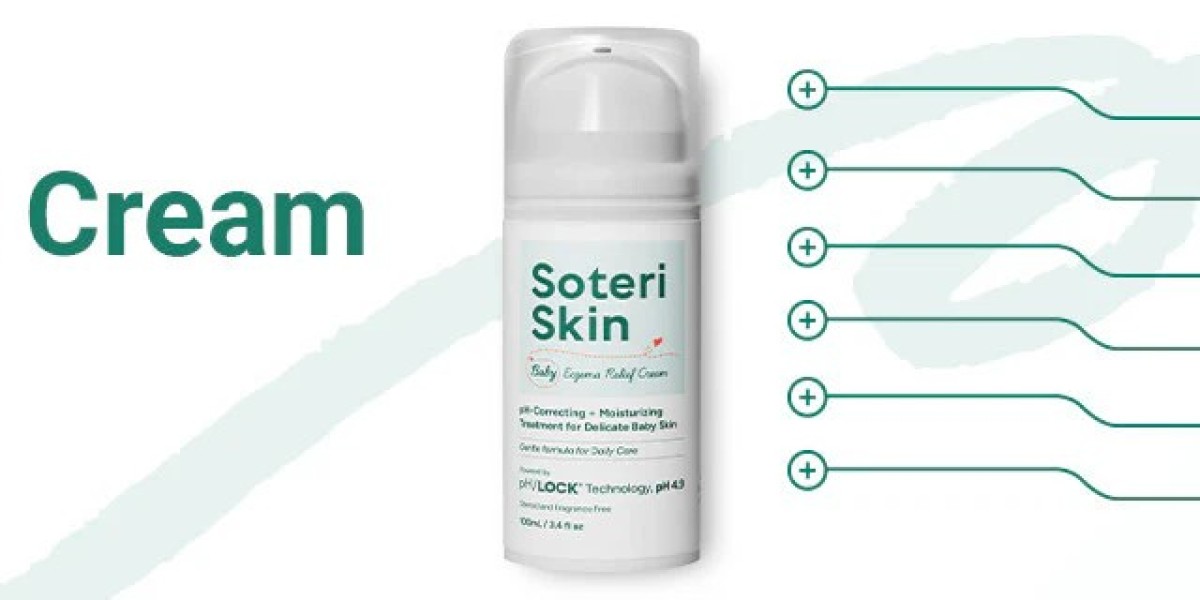

Bringing a new baby home is exciting, but it also comes with many questions. One common question parents ask is when they can start using lotion on their newborn. Baby skin is soft and delicate, and you want to make sure you care for it properly. Understanding when and how to use lotion will help keep your baby's skin healthy and comfortable.
Understanding Your Newborn's Skin
Newborn skin is very different from adult skin. It is much thinner and more sensitive. When babies are born, their skin is still developing and adjusting to life outside the womb. This means their skin needs special care and attention.
In the first few weeks of life, your baby's skin may look dry or flaky. This is completely normal. The outer layer of skin is peeling away as new skin forms underneath. You might also notice white bumps, red spots, or uneven coloring. Most of these things are normal and will go away on their own.
Your baby's skin also has a natural protective coating called vernix. This white, waxy substance covers babies at birth. Doctors now recommend leaving this coating on the skin instead of washing it off right away. The vernix helps protect and moisturize your baby's skin naturally.
When Can You Start Using Lotion?
Most doctors suggest waiting at least two to four weeks before using any baby lotion on a newborn. This waiting period gives your baby's skin time to adjust to the outside world. It also lets the natural oils in their skin do their job.
During the first few weeks, your baby's skin does not need lotion in most cases. The natural oils and the remaining vernix provide enough moisture. Using products too early might actually cause problems like rashes or irritation.
However, every baby is different. If your baby has very dry skin, eczema, or other skin conditions, your doctor might recommend starting lotion earlier. Always talk to your pediatrician before putting any products on your newborn's skin.
Signs Your Baby Might Need Lotion
Even though newborns usually do not need lotion right away, there are signs that might show your baby could benefit from it. Watch for these signals as your baby grows.
Dry, flaky skin that lasts beyond the first few weeks might need moisture. If your baby's skin feels rough or looks cracked, lotion could help. Red, itchy patches that do not go away might also benefit from a gentle moisturizer.
Pay attention to areas that get dry more easily. The hands, feet, and cheeks often need extra care. Winter weather can also make skin drier, so you might need to adjust your routine based on the season.
If you notice any of these signs, check with your doctor before starting a lotion routine. They can confirm whether your baby needs extra moisture or if something else is causing the dryness.
Choosing the Right Baby Lotion
Not all lotions are safe for babies. When you are ready to start using baby lotion, choosing the right product is very important. Baby skin is sensitive and can react badly to harsh ingredients.
Look for lotions made specifically for babies. These products are tested to be gentle on delicate skin. Read the label carefully and avoid lotions with strong fragrances, dyes, or alcohol. These ingredients can irritate your baby's skin or cause allergic reactions.
Choose products with simple ingredient lists. Fewer ingredients mean less chance of irritation. Natural ingredients like coconut oil, shea butter, and aloe vera are often good choices. However, even natural ingredients can cause reactions in some babies, so always test a small area first.
Hypoallergenic and fragrance-free options are usually the safest. These products are less likely to cause problems. Your pediatrician can also recommend specific brands that work well for sensitive baby skin.
How to Apply Lotion Safely
Once your baby is old enough for lotion, knowing how to apply it correctly is important. The right technique keeps your baby comfortable and helps the lotion work better.
Start by washing your hands thoroughly. You do not want to transfer germs to your baby's skin. Make sure the room is warm so your baby stays comfortable during application.
Take a small amount of lotion and warm it between your hands. Cold lotion can startle babies and make them fussy. Gently massage the lotion into your baby's skin using soft, circular motions. Be gentle and take your time.
Pay special attention to dry areas, but do not use too much product. A little baby lotion goes a long way. Using too much can leave skin feeling greasy or can clog pores.
Avoid putting lotion on your baby's face unless your doctor says it is okay. If face lotion is needed, use products specifically designed for facial skin. Never put lotion near your baby's eyes, nose, or mouth.
Best Times to Use Baby Lotion
Timing matters when applying lotion to your baby. Choosing the right moments can make the lotion work better and become part of a calming routine.
Right after bath time is one of the best times for lotion. When skin is slightly damp, it absorbs moisture better. Pat your baby dry with a soft towel, leaving the skin a little moist, then apply lotion immediately.
Before bedtime is another good time. Massaging lotion into your baby's skin can be relaxing and help them settle down for sleep. This can become a comforting part of your bedtime routine.
You can also apply lotion in the morning after changing your baby's diaper. This helps protect their skin throughout the day. In dry weather, you might need to apply lotion twice a day to keep skin comfortable.
Watch your baby's skin and adjust how often you use lotion. Some babies need it daily, while others only need it a few times a week.
Creating a Healthy Skincare Routine
Building a simple skincare routine helps keep your baby's skin healthy. Consistency is more important than using many products.
Bath time should be gentle and not too frequent. Bathing every two to three days is usually enough for newborns. Too much bathing can dry out skin. When you do bathe your baby, use warm water and a mild, fragrance-free baby wash.
Keep baths short, about five to ten minutes. Long baths can strip away natural oils. After the bath, pat your baby dry instead of rubbing. This is gentler on delicate skin.
Choose soft, breathable clothing made from natural fabrics like cotton. Rough fabrics can irritate skin. Wash baby clothes with gentle, fragrance-free detergent.
Protect your baby's skin from extreme weather. In cold weather, cover exposed skin when going outside. In hot weather, keep your baby in the shade and dress them in light, loose clothing.
When to Call the Doctor
While most skin concerns in babies are normal, some situations need medical attention. Knowing when to call the doctor helps you respond quickly to problems.
Contact your pediatrician if your baby develops a rash that spreads quickly or looks infected. Signs of infection include warmth, swelling, or oozing. Also call if your baby has a fever along with skin changes.
Severe dryness that does not improve with baby lotion might need special treatment. Painful cracks in the skin or bleeding should be checked by a doctor.
If your baby seems uncomfortable, cries when you touch certain areas, or constantly scratches their skin, get medical advice. These could be signs of eczema, allergies, or other conditions that need treatment.
Trust your instincts. If something seems wrong with your baby's skin, it is always better to ask your doctor. They can examine your baby and recommend the best treatment.
Final Thoughts on Baby Skincare
Caring for your baby's skin does not have to be complicated. Most newborns have healthy skin that needs very little help. Waiting a few weeks before starting lotion gives your baby's natural skin protection time to work.
When you do start using products, choose gentle options made for babies. Apply lotion carefully and watch how your baby's skin responds. Every baby is different, so what works for one might not work for another.
Remember that simple is usually better. You do not need dozens of products to keep your baby's skin healthy. Clean water, gentle washing, and occasional moisturizer are usually all you need.
By following these tips and staying in touch with your pediatrician, you can help keep your baby's skin soft, healthy, and comfortable. Enjoy these special moments of caring for your little one.