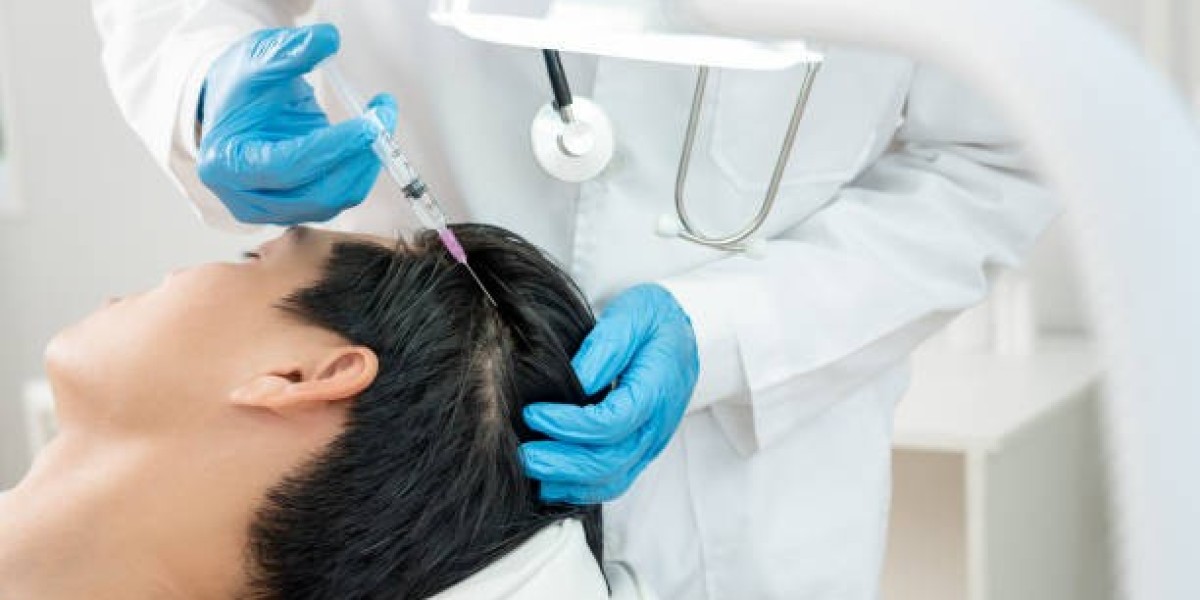

Hair loss is a common concern that affects both men and women, impacting confidence and overall appearance. prp treatment in riyadh has gained popularity as a natural, effective, and minimally invasive solution for hair restoration. However, there are several other methods available for hair loss, including hair transplants, topical treatments, and medications. Understanding the differences can help you choose the best option for your needs.
What is PRP Hair Treatment?
Understanding PRP
PRP, or Platelet-Rich Plasma, is derived from a small sample of the patient’s blood. The blood is processed in a centrifuge to concentrate platelets rich in growth factors. During PRP Hair Treatment in Riyadh, this plasma is injected into areas with thinning hair. These growth factors stimulate dormant hair follicles, improve blood circulation, and encourage natural hair growth.
Why PRP is Effective
PRP works naturally with the body’s own healing mechanisms. It is minimally invasive, carries a very low risk of complications, and provides gradual, natural-looking results. Patients can resume daily activities shortly after treatment, making it a convenient choice for those seeking a non-surgical solution.
Comparison with Other Hair Restoration Methods
Hair Transplant Surgery
Hair transplants involve removing hair follicles from one part of the scalp and implanting them in balding areas. While this provides permanent results, it is a surgical procedure with longer recovery times, higher risks, and greater cost. Unlike PRP, transplants are invasive and may require several months for full results to appear.
Topical Treatments
Topical solutions, such as minoxidil, are applied directly to the scalp to stimulate hair growth. While these products are non-invasive, results vary, and ongoing use is necessary. PRP, on the other hand, targets the root of hair loss by activating follicles and improving scalp health, often providing more consistent and natural outcomes.
Oral Medications
Medications like finasteride can slow hair loss and stimulate growth, but they may cause side effects in some patients. PRP avoids systemic medications, reducing the risk of adverse effects while promoting natural regrowth.
Benefits of PRP Over Other Methods
Minimally Invasive
PRP requires no surgery or incisions, making it safer and less stressful for patients compared to hair transplants.
Natural and Safe
Since PRP uses your own plasma, the treatment is natural, reducing the risk of allergic reactions or complications.
Stimulates Existing Follicles
Unlike transplants or medications that mainly redistribute or prevent hair loss, PRP activates dormant follicles, improving density and overall hair health.
Quick Recovery
Patients can return to normal activities almost immediately after treatment, unlike surgical procedures that require weeks of recovery.
What to Expect During PRP Sessions
PRP treatment begins with a consultation to assess hair loss patterns and scalp health. Blood is drawn, processed to extract platelet-rich plasma, and then injected into targeted areas of the scalp. Sessions typically last 45-60 minutes, with 3-4 treatments recommended for optimal results and occasional maintenance sessions to sustain hair growth.
Booking Your PRP Hair Treatment
If you’re seeking a natural, minimally invasive solution for hair restoration, Royal Clinic Saudia offers expert PRP hair treatment services. Book your appointment today and receive a personalized plan designed to restore hair density and promote healthy scalp function.
FAQs:
How does PRP compare to hair transplants?
PRP is non-surgical and stimulates dormant follicles, while hair transplants are invasive and relocate existing follicles.
Is PRP more effective than topical treatments?
PRP targets the root cause by activating follicles, often providing more consistent and natural results compared to topical solutions.
How many PRP sessions are needed?
Most patients benefit from 3-4 sessions spaced several weeks apart, with maintenance treatments recommended for long-term results.
Is PRP safe for all patients?
Yes, PRP is safe for most patients because it uses their own plasma, minimizing the risk of allergic reactions or side effects.










