
In global agriculture, the demand for clean, traceable, and naturally grown crops continues to rise. Among these, Non-GMO corn has gained significant attention as consumers and industries look for products free from genetic modification. India, with its vast agricultural heritage and diverse farming practices, has increasingly become an important contributor to this segment. As a result, the role of a Non-GMO corn exporter in India has evolved—from simply sourcing grain to ensuring quality, transparency, and adherence to international standards.
For buyers, manufacturers, and supply-chain professionals worldwide, understanding what goes into exporting Non-GMO corn from India can help them make informed decisions. This article explores the fundamentals of Non-GMO corn, India’s strengths as a supplier, quality considerations, and what to expect when working with exporters.
What Is Non-GMO Corn?
Non-GMO corn refers to varieties that have not been genetically modified through laboratory methods. Instead, they are grown from traditional or hybrid seeds that maintain their natural genetic structure.
Key characteristics of Non-GMO corn include:
Natural seed origin
No laboratory-based genetic alteration
Traceability throughout farming and supply processes
Compliance with global Non-GMO standards
Non-GMO products are often preferred by food manufacturers, feed producers, and consumers who prioritize clean-label ingredients and transparent sourcing.
Why India Is Emerging as a Strong Non-GMO Corn Supplier
India’s agricultural sector is diverse, labor-intensive, and less reliant on genetically engineered seeds compared to some major corn-producing countries. Several factors support its position in the global Non-GMO corn market:
1. Widespread Non-GMO Cultivation Traditions
Most Indian farmers cultivate non-genetically modified varieties by default. Decades of traditional seed usage and region-specific hybrids make Non-GMO corn widely available.
2. Favorable Climate and Soil Conditions
Corn grows well across India’s varied agro-climatic zones—from rain-fed farmlands in the central regions to irrigated fields in southern states. This creates:
Multiple crop cycles
Stable production volumes
High adaptability
Wider sourcing regions
3. Export-Friendly Infrastructure
India has developed efficient agricultural supply-chain networks, including:
Warehousing facilities
Quality testing laboratories
Modern milling units
Well-connected ports for global shipping
This infrastructure supports consistent export performance.
4. Seed Diversity
India produces multiple corn types, including food-grade, feed-grade, and industrial-use variants. This gives buyers flexibility depending on their end-use requirements.
What Does a Non-GMO Corn Exporter in India Typically Handle?
The process of exporting Non-GMO corn involves several steps that ensure safety, purity, and compliance with international standards. A responsible exporter must manage:
1. Seed Selection and Farm Collaboration
Exporters often work directly with:
Contract farmers
Agricultural cooperatives
Local suppliers
This ensures traceability and purity from the seed stage onward.
2. Monitoring Cultivation Practices
To maintain Non-GMO integrity, exporters may guide farmers on:
Approved seed varieties
Natural farming practices
Avoiding cross-contamination from GMO crops
Proper segregation during harvesting
Quality control begins long before the crop is harvested.
3. Post-Harvest Processing
Corn must be cleaned, dried, and sorted to meet export specifications. Processing may involve:
Mechanical cleaning
Removal of damaged kernels
Moisture-level adjustment
Grading and size sorting
This preserves shelf life and ensures consistency.
4. Laboratory Testing
Reputable exporters rely on accredited laboratories for:
Non-GMO verification
Moisture analysis
Aflatoxin checks
Pesticide residue tests
Quality grading
These tests help meet the safety requirements of different countries.
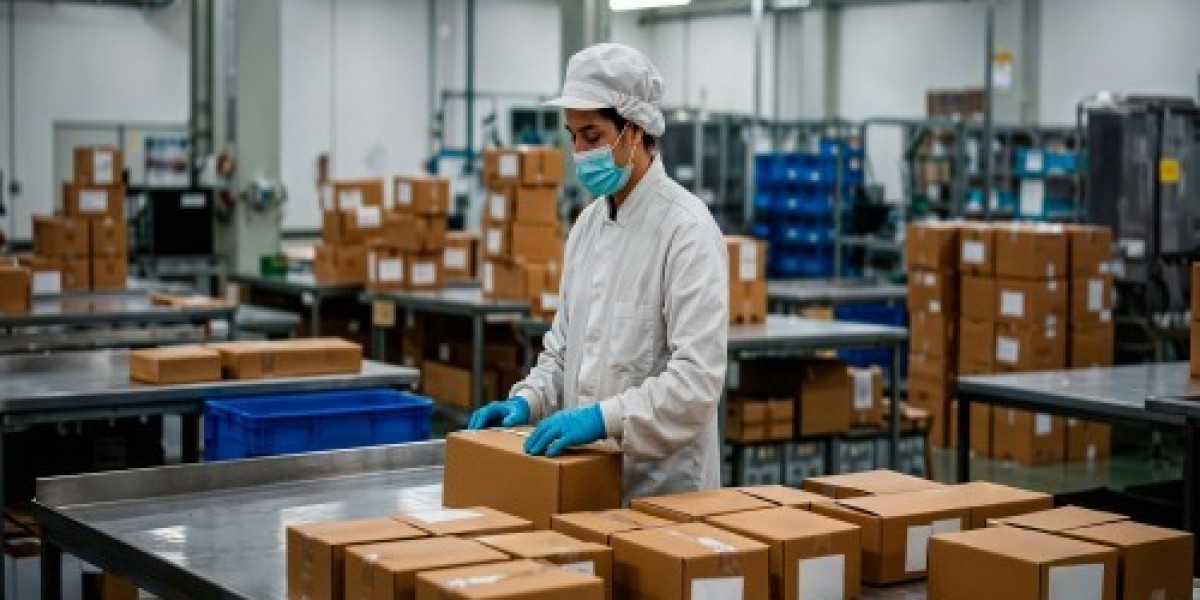
5. Packaging and Logistics
Exporters ensure safe, contamination-free transit through:
Bulk bags
Jute or polypropylene packaging
Containerized shipping
Fumigation services when required
Proper packaging prevents spoilage and maintains product integrity during long-distance shipments.
Types of Non-GMO Corn Commonly Exported from India
India supplies several varieties of Non-GMO corn to match global demand across sectors:
1. Yellow Corn
Widely used for:
Animal feed
Snack food production
Starch manufacturing
Breweries
Its high nutritional value makes it the most exported variety.
2. White Corn
Less common than yellow corn, white corn is often used in:
Food processing
Bakery products
Traditional foods in certain countries
3. Broken Corn
Ideal for:
Animal feed
Feed mills
Poultry farms
4. Corn Grits and Meal
Processed forms of corn serve industries such as:
Breakfast cereal manufacturers
Snack producers
Distilleries
5. Organic and Specialty Non-GMO Corn
Some exporters also handle:
Organic-certified corn
Baby corn
Waxy corn
High-oil varieties
Benefits of Sourcing Non-GMO Corn from India
Understanding the advantages can help importers assess the value of working with an Indian exporter.
1. Cost-Effective Supply
India often offers competitive pricing compared to major Non-GMO-producing countries due to lower production costs.
2. Strong Agricultural Workforce
Millions of farmers contribute to corn production, creating:
Consistent supply
Scalability
Flexibility in fulfilling bulk orders
3. High Export Volumes
India’s corn export sector serves regions such as:
Southeast Asia
Middle East
Africa
Europe (for specific grades)
4. Commitment to Natural Farming
Many Indian farms retain traditional seed varieties, helping maintain genetic purity.
5. Ability to Meet Varied Quality Requirements
Exporters offer multiple grades based on:
Moisture level
Purity
Grain size
Packaging specifications
This flexibility supports different industries, from feed manufacturers to food processors.
Quality Considerations When Choosing a Non-GMO Corn Exporter in India
Buyers seeking Non-GMO products must evaluate several factors before selecting a supplier:
1. Verification and Certification
Exporters should offer documents such as:
Non-GMO certification reports
Lab test results
Phytosanitary certificates
Fumigation certificates if required
2. Compliance With International Standards
Look for adherence to quality norms including:
Codex Alimentarius
Destination country food safety laws
ISO standards in processing units
3. Supply Consistency
A trustworthy exporter ensures:
On-time delivery
Steady production capacity
Year-round sourcing
4. Traceability Systems
Tracking the crop from seed to shipment helps ensure authenticity.
5. Packaging and Shipping Expertise
Proper handling reduces risks of:
Moisture damage
Mold growth
Contamination
Exporters with reliable logistics networks can deliver safer, more stable shipments.
Common Challenges in Non-GMO Corn Export and How Exporters Address Them
Despite growing demand, Non-GMO corn export involves certain challenges:
1. Risk of Cross-Contamination
Exporters mitigate this by:
Maintaining separate storage areas
Using dedicated transport
Educating farmers on buffer zones
2. Moisture Control Issues
Indian climates can vary dramatically. Exporters rely on:
Controlled drying
Moisture testing
Climate-appropriate packaging
3. Compliance With Varied Import Regulations
Different countries have different acceptance levels, requiring exporters to stay updated.
4. Seasonal Variations in Production
To maintain consistent supply, exporters diversify sourcing regions across India.
Why Non-GMO Corn Continues to Gain Global Popularity
The shift toward cleaner, more natural ingredients is driving demand for Non-GMO crops. Key reasons include:
Consumer preference for minimally processed foods
Increased transparency in labeling laws
Growth of organic and natural product sectors
Expanded use in health-focused food products
Rising demand from countries limiting genetically modified crops
As trends evolve, India is well-positioned to remain a competitive Non-GMO corn supplier.
FAQs About Non-GMO Corn Exporters in India
1. What makes Non-GMO corn from India different from other countries?
India largely cultivates traditional, non-genetically modified corn varieties. This results in abundant Non-GMO supply with natural genetic profiles and competitive pricing.
2. How do exporters ensure the corn is truly Non-GMO?
Exporters rely on lab testing, seed verification, traceable sourcing, and strict segregation practices during harvesting, storage, and transport.
3. Which industries commonly import Non-GMO corn from India?
Major buyers include the animal feed industry, snack and cereal manufacturers, breweries, distilleries, and food processing companies.
4. What quality parameters should importers check before purchasing?
Consider moisture content, grain purity, Non-GMO certification, aflatoxin levels, size grading, and packaging standards.
5. Can Indian exporters supply Non-GMO corn in bulk quantities?
Yes. India’s large farming base and developed export infrastructure allow consistent bulk supply for international markets.