
Choosing the right upholstery fabric can make a big difference in how your home looks and how easy it is to maintain. For families, especially those with young kids, pets, or a busy lifestyle, stain-resistant fabric is more than just a nice feature. It’s a practical necessity. Below is a simple guide to help you understand what to look for when selecting upholstery fabric that can truly stand up to daily life.
Understanding Why Stain Resistance Matters
Life with a family means spills, crumbs, sticky hands, and the occasional mystery stain. Upholstery absorbs all of this if the fabric isn’t designed to handle it. Choosing stain-resistant material keeps furniture looking cleaner for longer, reduces stress over accidents, and saves time on maintenance. In busy households, this convenience can make a huge difference in day-to-day living.
Look at the Fibre Content
The first thing to check when choosing upholstery fabric is what the fibres are made of. Some fibres naturally resist stains better than others. For example:
Polyester resists staining and fading and is easy to clean.
Nylon is strong, durable, and good against abrasion.
Olefin (or polypropylene) is excellent for stain resistance and long-term durability.
Acrylic can mimic natural fibres while still offering improved stain resistance.
Natural fibres like cotton or linen may feel soft and breathable, but they absorb liquid quickly. If you like the look of natural fabrics, choose blends that include synthetic fibres for better protection.
Consider Performance Fabrics
Performance fabrics are specifically engineered to handle heavy use and resist stains. Brands often apply treatments during manufacturing to make spills bead up instead of sinking in. These fabrics are ideal for living rooms, playrooms, and dining areas where accidents are expected.
They typically offer benefits such as:
Higher resistance to spills
Better colour retention
Protection against odours
Improved durability
Performance fabrics may cost slightly more, but they usually last longer and maintain their look over time.
Test the Fabric’s Cleanability
Not every stain-resistant fabric cleans the same way. Before making a final choice, check the cleaning code. Upholstery fabrics usually come with one of these labels:
W: Clean with water-based cleaners.
S: Use solvent-based cleaners only.
W/S: Either water-based or solvent cleaners are acceptable.
X: Vacuum only—avoid wet cleaning altogether.
For families, fabrics marked “W” or “W/S” are the most practical. They allow you to clean up everyday spills using simple household cleaning solutions rather than specialised products.
Think About Texture and Weave
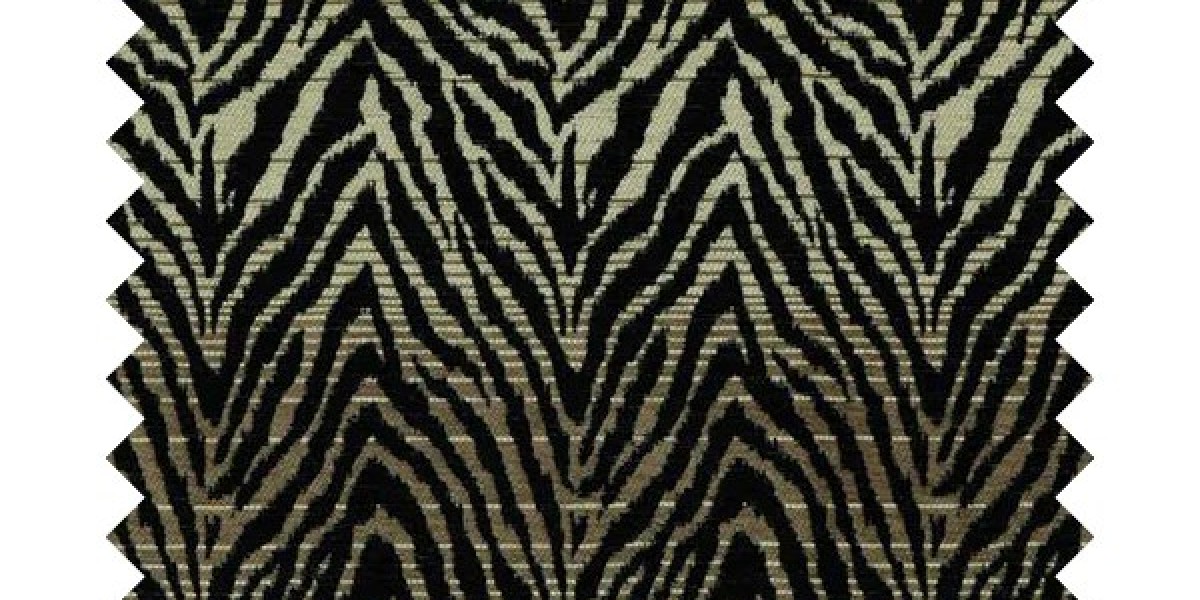
Fabric texture plays a surprising role in how well stains hide. Smooth fabrics show marks more easily, while textured or patterned weaves can disguise minor spills until you can clean them properly.
For family-friendly furniture:
Choose tighter weaves, as they are harder for liquids to penetrate.
Avoid very loose or open weaves, which absorb spills quickly.
Look at fabrics with subtle texture, which naturally hides wear and tear.
Even darker colours or small patterns can make a sofa look cleaner for longer.
Evaluate Durability and Abrasion Resistance
Stain resistance is important, but so is durability—especially in a household where furniture gets a lot of use. Look for the Martindale or Wyzenbeek rating, which measures abrasion resistance.
As a general rule:
15,000+ rubs: Light domestic use
25,000+ rubs: General household use
40,000+ rubs: Heavy-duty use
Families should ideally choose something suitable for heavy domestic use to ensure the fabric lasts.
Match the Fabric to the Room’s Purpose
A fabric that works well in a formal sitting room might not be suitable for a family room. Think about how each space is used:
Living rooms: Opt for highly durable, easy-clean fabrics like polyester blends or performance fabrics.
Dining areas: Choose water-repellent or stain-guarded materials.
Kids’ rooms or playrooms: Look for soft but strong fabrics with high cleanability.
Matching fabric features to room function helps ensure your furniture stays looking fresh.
Balance Comfort with Practicality
It’s easy to get caught up in technical details, but comfort matters too. Families use furniture every day, so the fabric should feel pleasant to the touch. Some stain-resistant fabrics may feel stiff or coated, but many modern performance materials are soft and comfortable.
Test how the fabric feels against your skin. If it feels rough, hot, or plasticky, it may not be the best choice—even if it performs well.
Don’t Forget Aesthetics
Finally, choose a fabric that fits your style. Having a busy family doesn’t mean you have to limit yourself to boring colours or textures. There are plenty of stain-resistant fabrics available in elegant prints, modern tones, and cosy textures.
Think about how the fabric complements:
Wall colours
Flooring
Existing furniture
Natural light
Your overall interior style
The right fabric should be both practical and beautiful.
Conclusion
Choosing stain-resistant upholstery fabric doesn’t have to be complicated. By paying attention to fibre types, durability, cleanability, and overall feel, you can find something that suits your family’s lifestyle while still looking stylish. If you ever need a wide selection of upholstery fabrics to compare, you can browse shops that specialise in these materials. One example is Yorkshire Fabric Shop, an online fabric store based in the United Kingdom that offers a variety of durable and family-friendly options. Whether you prefer textures, patterns, or plain colours, having access to a broad range makes it easier to pick the right fabric for your home.
FAQs
1. What fabric is most stain-resistant for families?
Polyester, olefin, and many performance fabrics offer excellent stain resistance and durability, making them ideal for busy households.
2. Are natural fabrics a bad choice for families?
Not necessarily. Blended fabrics (like cotton-polyester mixes) provide the look of natural fibres with improved stain resistance.
3. How do I clean everyday spills on stain-resistant fabrics?
Most can be cleaned with a simple water-based solution. Always check the cleaning code to avoid damaging the fabric.
4. Are performance fabrics worth the extra cost?
Yes. They maintain their appearance longer, resist spills better, and often require less maintenance overall.
5. What colour hides stains best?
Mid-tones, textured fabrics, and small patterns help disguise minor marks better than solid light or very dark colours.