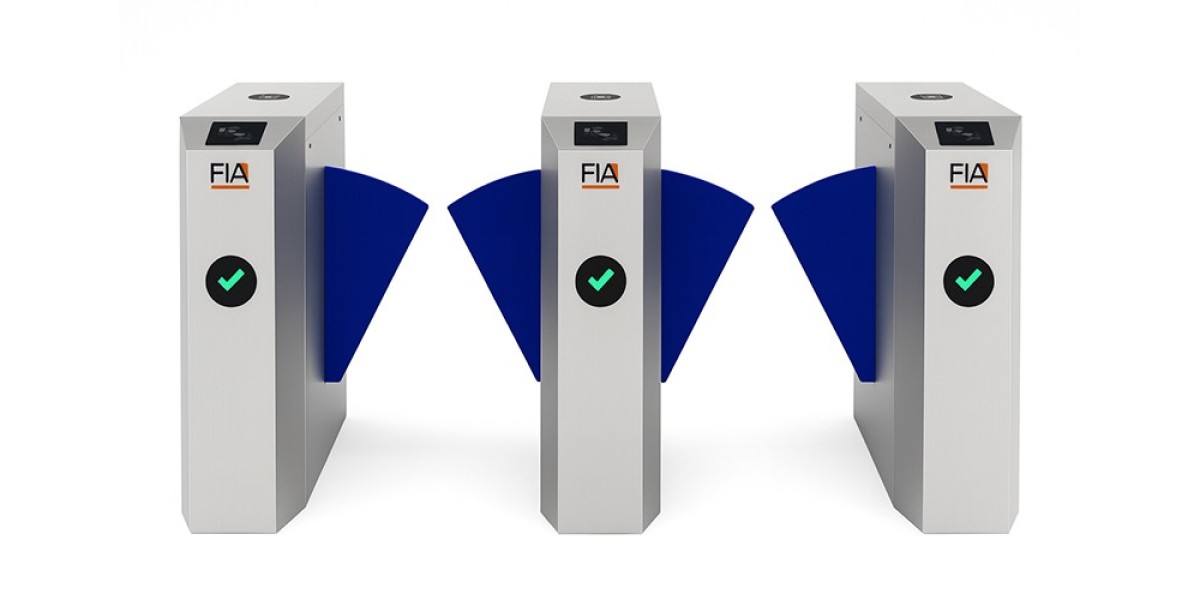

In modern infrastructure, the need for smart, fast, and reliable access control has increased massively. From corporate offices to metro stations, safe and organized entry flow is essential for security as well as operational discipline. One of the most efficient and intelligent pedestrian management solutions today is the flap barrier gate. Known for its rapid opening speed, sleek design, and automated access control, the FIA flap barrier is widely used where smooth and secure movement is required. This blog explains everything about flap barriers from working technology to benefits, applications, installation, and commonly asked questions.
What is a Flap Barrier
A flap barrier is an automated access control gate equipped with retractable flaps that open and close after user authentication. Designed for controlled pedestrian entry, flap barriers ensure that only authorized individuals can pass while preventing tailgating or forced entry. Unlike a tripod turnstile, flap barriers provide faster throughput and a more premium entry experience. They are mostly installed at reception areas, metro gates, IT offices, and high-footfall environments where security and speed go hand in hand.
How a Flap Barrier Works
The operation of a flap barrier is based on sensors and automated flaps. When a user verifies their identity through a biometric device, RFID card, QR code, face recognition, or barcode, the flaps retract inside the housing and open the passage. If authentication fails, the flaps remain locked, ensuring no unauthorized access.
Advanced FIA flap barriers are equipped with IR sensors to detect tailgating attempts. If a second person tries to enter without permission, the flaps automatically close or trigger an alarm. This intelligent mechanism allows high-speed access while maintaining strict safety.
Key Features of Flap Barrier
Flap barriers offer modern functionalities designed for security, monitoring, and convenience. Some essential features include:
• High-speed opening and closing operation
• IR sensor detection for anti-tailgating
• Silent and smooth movement
• Bi-directional entry and exit support
• Stainless steel construction for durability
• Integration with biometric, RFID, QR, face recognition
• Alarm system on unauthorized access
• Automatic reset and fail-safe configuration
These features make flap barriers suitable for both indoor and semi-outdoor usage with consistent performance.
Benefits of Installing Flap Barrier
Installing a flap barrier is an investment in smart access management. The top advantages include:
• Fast movement control for heavy footfall areas
• Reduces need for manual security checking
• Helps maintain attendance and entry logs
• Enhances building professionalism and branding image
• Prevents unauthorized entry and visitor misuse
• Offers automation and real-time monitoring through software
• Minimal maintenance and long operational life
Flap barriers work efficiently even at peak hours and help organizations manage visitor flow without congestion.
Types of Flap Barrier
Different installation requirements demand different models of flap barriers. Common types include:
Single-Lane Flap Barrier – suitable for compact entry points with moderate traffic.
Multi-Lane Flap Barrier – used in metros, airports, and corporate zones with continuous flow.
Tall Flap Barrier (Full Height Panels) – used in high-security buildings to prevent jumping over the gate.
The selection of flap barriers depends on security level, number of lanes required, integration type, and total footfall.
Applications of Flap Barrier in Various Sectors
Flap barriers have become a go-to access management solution in:
• Metro stations and railway terminals
• Airports and government buildings
• IT parks and corporate offices
• Universities and educational institutions
• Stadiums, auditoriums, and event entry gates
• Gyms, co-working spaces, and membership clubs
• Factories, warehouses, and industrial units
Their wide usability is a result of advanced sensors, fast authentication, and seamless movement flow.
Integration and Automation Benefits
The biggest advantage of flap barriers is their integration flexibility. They easily connect with:
• Attendance management systems
• Visitor registration portals
• CCTV surveillance network
• Cloud monitoring dashboards
Organizations can track entry logs, time records, visitor history, and activity reports from a single platform. This boosts administrative efficiency and strengthens access control visibility.
Installation, Maintenance, and Service Life
FIA flap barriers are designed for durable performance. They can be installed at entry gates, lobby areas, and access checkpoints. Maintenance involves basic cleaning, lubrication of mechanical components, and timely software updates. Stainless-steel structure protects the system from dust, corrosion, and daily wear. Even under continuous operation, FIA flap barriers perform reliably with minimal downtime.
Read more about this: https://www.fiaind.com/products/flap-barriers/
Why Choose FIA Flap Barrier
FIA flap barriers are engineered for robust performance, speed, and intelligent access management. With precision sensors, smooth operation, premium finishing, and multi-authentication support, they deliver highly secure and professional entry control. FIA products provide long life, fast processing, anti-tailgating protection, and seamless integration with biometric and software platforms.
Whether it's a corporate office or a high-traffic public transport hub, FIA flap barriers ensure security, efficiency, and digital automation at entry points.
Some Questions About Flap Barriers
1. Which is better – tripod turnstile or flap barrier?
Tripod turnstiles are more durable and economical, while flap barriers offer faster movement and premium access control.
2. Can flap barriers be integrated with face recognition?
Yes. FIA flap barriers support biometric, face scanner, RFID, QR, and multiple authentication systems.
3. Is a flap barrier suitable for outdoor usage?
Yes, but semi-outdoor protected installation is recommended to increase life and performance.
4. What is the lifespan of a flap barrier?
With proper maintenance, flap barriers can operate efficiently for many years in high-traffic usage.
5. How does anti-tailgating work in flap barriers?
IR sensors detect back-to-back entry attempts and trigger an alert or automatic flap closure.
Contact Us
If you are planning to install a flap barrier for office, metro, building, event venue, industrial gate, or commercial entry, FIA offers complete supply and installation support.
First Idea Automation (FIA)
Phone: +91-9999551085
Email: enquiry@fiaind.com
Website: www.fiaind.com