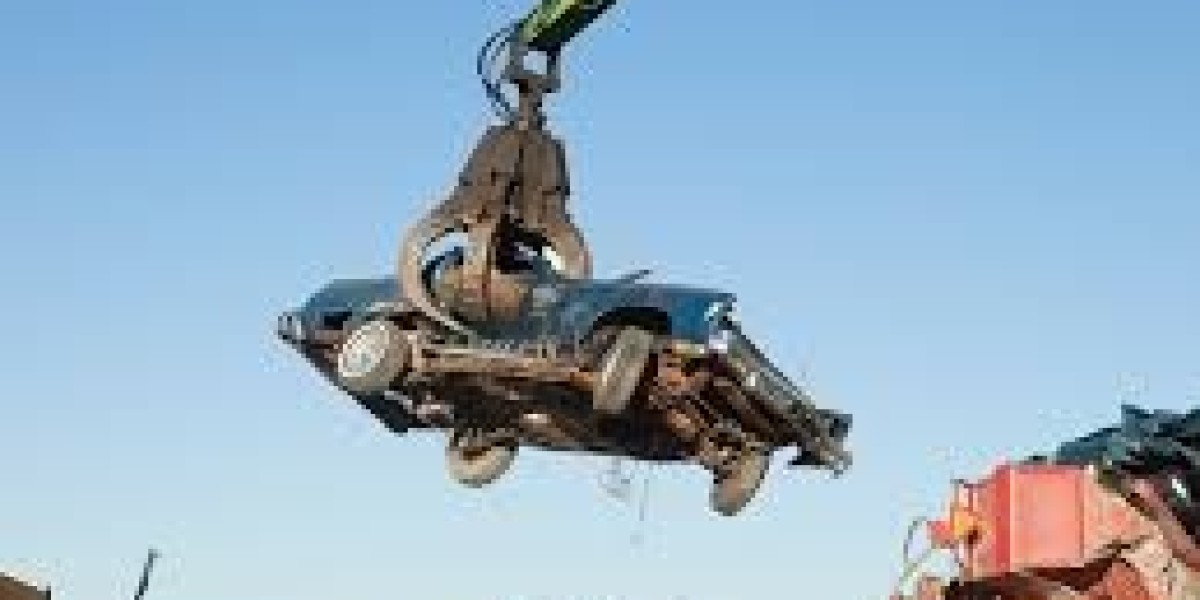

Car scrap yards are often overlooked corners of the automotive world. While most people see old or damaged cars as waste, these yards offer much more than simple disposal. They combine mechanics, recycling, and history, creating a unique space where vehicles are given a second life. Understanding how these yards operate reveals the careful balance between environmental responsibility, resource management, and automotive knowledge.
Learn more: https://www.carwreckersadelaide.com/
The Purpose of Car Scrap Yards
Car scrap yards exist to dismantle vehicles that are no longer roadworthy. These vehicles may be old, damaged, or mechanically faulty. Rather than letting them sit unused or sending them directly to landfill, scrap yards recover components and materials that can still serve a purpose. Every part that is intact can be salvaged, whether it is the engine, gearbox, tyres, or interior fittings. Materials that cannot be reused, such as metals, are recycled for manufacturing new products.
In Australia, car scrap yards follow strict procedures to manage waste and ensure that reusable parts are safe. The practice helps reduce environmental impact and supports the wider automotive industry by supplying second-hand parts for repairs or restoration projects.
The Journey of a Scrapped Car
The journey of a scrapped car begins when it is no longer fit for road use. Vehicles arrive at the yard in different conditions, ranging from lightly damaged to completely unroadworthy. Upon arrival, experts assess each car to determine which components are usable. This evaluation ensures that only safe and reliable parts are removed.
Dismantling begins once the assessment is complete. Workers systematically remove reusable parts, categorising them based on their condition and potential for reuse. Engines and transmissions may be refurbished, tyres and batteries are carefully processed, and metal components are separated for recycling. Even fluids such as oil, brake fluid, and coolant are collected and disposed of according to environmental regulations.
Environmental Role of Scrap Yards
where to scrap a car play a significant role in reducing environmental harm. Vehicles contain materials that can pollute soil and waterways if discarded improperly. Oils, fuels, and battery acids are toxic, but scrap yards manage these substances carefully. By collecting and processing hazardous materials, scrap yards prevent contamination and reduce the ecological footprint of old vehicles.
Recycling metals is another crucial aspect. Steel, aluminium, and copper recovered from cars can be reused in new manufacturing, lowering the need for mining raw materials. This process reduces energy consumption and carbon emissions, demonstrating that car scrap yards are more than just storage spaces—they are essential contributors to sustainability.
Skills and Knowledge Required
Working in a scrap yard is not limited to manual labour. It requires knowledge of car systems, safety procedures, and environmental regulations. Workers must identify which parts are safe for reuse and understand how to remove them without causing damage. Some modern vehicles, such as hybrids and electric cars, contain high-voltage systems that require careful handling to prevent injury or environmental harm.
The skill of a wrecker is also in spotting rare or valuable components. Classic car parts, which are no longer produced, can be salvaged and sold to collectors or restorers. This adds a historical dimension to the work, connecting modern automotive practices with the preservation of automotive heritage.
Historical Significance of Scrap Yards
Scrap yards are not only practical but also hold cultural and historical value. Vehicles that are no longer manufactured carry a story of design, engineering, and innovation. Preserving parts of these cars allows enthusiasts and restorers to maintain classic vehicles. In this way, scrap yards serve as informal archives, keeping pieces of automotive history alive for future generations.
Collectors often seek parts from older vehicles for restoration projects. Engines, body panels, and even interior fittings can help restore a classic car to its original condition. Without scrap yards, many of these vehicles would be lost permanently.
Economic Contribution
Beyond environmental and historical aspects, scrap yards contribute to the local economy. Recovered parts provide affordable options for repairs, supporting mechanics, workshops, and car owners. Scrap yards also create jobs, from dismantlers to administrative staff, and support industries involved in recycling and metal processing.
In Australia, car scrap yards are a network that feeds the wider automotive ecosystem. They supply essential components while reducing the cost and demand for new parts. This economic function complements their environmental and cultural roles, making them an integral part of the automotive landscape.
Challenges Faced by Scrap Yards
Scrap yards face several challenges. Managing hazardous materials safely requires strict compliance with environmental regulations. Fluids, batteries, and other toxic substances must be handled carefully to prevent contamination. Failing to do so can result in fines and environmental damage.
Another challenge is keeping up with modern car technology. Vehicles now include complex electronics, advanced safety features, and hybrid or electric systems. Workers must continually update their knowledge and techniques to dismantle these vehicles safely.
Logistics can also be difficult. Scrap yards must organise the collection, storage, and processing of vehicles efficiently. Balancing safety, environmental standards, and economic viability requires experience and careful planning.
Where to Scrap a Car
Finding the right place to scrap a car is an important step. Scrap yards must be licensed and compliant with local regulations to ensure proper disposal and recycling. Many yards also offer assessments of the vehicle to determine which parts can be salvaged. By choosing the right scrap yard, car owners can ensure that their vehicles are handled responsibly and that valuable materials are reused.
The Future of Car Scrap Yards
The future of car scrap yards involves technological and environmental developments. Inventory management systems, advanced diagnostic tools, and mechanised dismantling equipment are gradually being introduced. These technologies will improve efficiency and accuracy in identifying usable parts.
However, the central principles of car salvage—recycling, reuse, and preservation—will remain unchanged. Scrap yards will continue to serve as a bridge between old vehicles and new purposes, combining expertise, environmental care, and a respect for automotive history.
Conclusion
Car scrap yards are a fascinating and essential part of the automotive world. They operate at the intersection of mechanics, environmental responsibility, and history. From dismantling engines to recycling metals, every step reflects skill and careful planning. In Australia, these yards offer a glimpse into a world where discarded vehicles are transformed into valuable resources.
Understanding the processes and purpose of scrap yards reveals their importance. They not only reduce waste and protect the environment but also preserve automotive heritage and support the local economy. The world of wreckers is complex, disciplined, and remarkable, offering insights into how old cars continue to serve new purposes long after their time on the road has ended.