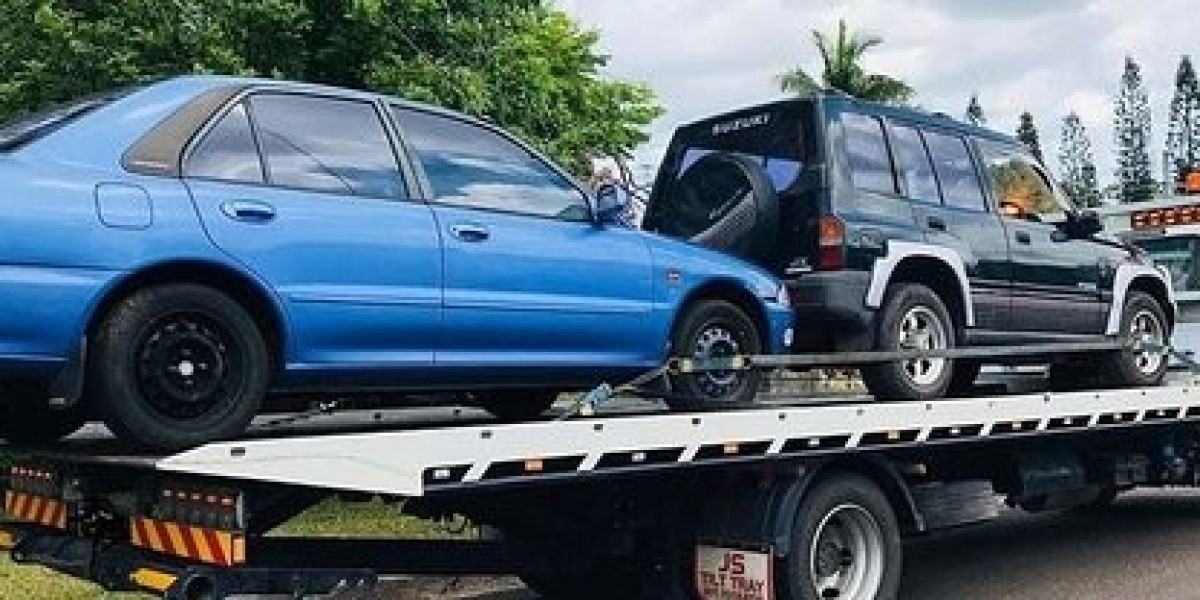

Every vehicle begins its journey with a moment of pride. A new car rolls out of a showroom with bright paint, clean parts, and a promise of long roads ahead. Over the years it deals with heat, rain, dirt, and heavy use. This long journey shapes how it performs, how it wears out, and how it reaches the point where its final chapter begins. Many people think a car only serves its purpose while it is on the road, but its end stage holds far more influence than most notice. This part of the journey affects resources, the environment, and even the cars that come after it.
Learn More: https://cashmyscrapcar.com.au/
How a Vehicle Ages Over Time
A car is made from hundreds of parts working together. Steel, aluminium, plastic, copper, rubber, and glass form its structure. With every kilometre, these materials face wear. Heat from the engine changes metal strength. Dust and salt cause corrosion. Rubber hoses harden. Electronics weaken with repeated current flow. Studies from global automotive bodies show that modern vehicles spend close to two decades in use before reaching retirement, but that timeline depends on driving habits, climate, and care.
When a vehicle crosses a certain age, its repair needs increase. Fuel systems become less stable. Safety features lose sensitivity. Crash data shows that older cars produce higher injury rates in accidents because parts such as airbags and crumple zones do not respond with the same accuracy as they once did. At this stage, owners begin to see the final phase approaching.
Signs That a Car Reaches the End of Its Road Life
There is a point where the work needed to keep a car on the road outweighs the use it can give. Fuel use rises. Repairs grow frequent. Parts become harder to find. Noise increases due to worn bearings and aged exhaust systems. Rust spreads through frames, lowering structural strength. Once a car reaches this moment, it begins the shift toward its end stage.
In Australia, motoring reports show a large share of old vehicles are taken off the road due to safety issues rather than simple mechanical faults. When a vehicle becomes unsafe or costly to keep alive, its final chapter starts. This is also the point where “unwanted car removal” often enters the picture, not as a service focus, but as a natural step in bringing the vehicle to its last journey.
Why the Last Chapter Holds More Weight Than Many Expect
The final stage of a vehicle influences more than a single owner. It affects material recovery, waste reduction, and future production. Every retired car carries metals that can be recovered instead of pulled from the earth again. Steel and aluminium from old vehicles reduce the need for new mining. Data from environmental organisations states that recycling vehicle metals can cut energy use by more than half during the smelting process.
When a car reaches a recycling yard, trained workers begin careful dismantling. Fluids are removed so they do not leak into soil or water. This step prevents pollution and supports cleaner land. Copper wiring, catalytic converters, tyres, and glass all have pathways toward reuse. Some of these materials return to factories. Others go into construction supplies, new electronics, and even fresh vehicle frames.
This stage also supports the circular movement of automotive parts. Many components in old cars still have long life left. Engines, transmissions, alternators, and panels can be cleaned, checked, and reused in other vehicles. This reduces waste and lowers the demand for new parts, easing pressure on manufacturing plants and raw material mining.
How the Final Chapter Shapes Future Cars
A unwanted car removal last stage is not an ending. It is a beginning for new materials, new designs, and cleaner production. Engineers study old vehicles to understand how parts aged, how metals corroded, and how safety systems performed over long periods. These observations guide new car designs that are stronger and easier to recycle.
In recent years, the push for greener manufacturing encouraged car makers to use materials that break down with less harm or recycle with less energy. Some new cars now contain up to seventy percent recycled metals. This movement would not be possible without the input from vehicles reaching the end of their life.
The final stage also improves future fuel standards. Researchers analyse residue in old fuel systems to understand long-term engine patterns. These insights help in designing engines that can run cleaner and last longer.
Environmental Significance of Proper End-of-Life Handling
Discarded vehicles can cause large environmental damage if left unmanaged. Leaking oil, coolant, transmission fluid, and battery chemicals can seep into soil and waterways. Old tyres can trap water that attracts insects. Rusting frames can shed metal fragments. When vehicles are handled in a controlled setting, these risks drop sharply.
Australia places growing focus on proper automotive waste handling. National reports highlight that more than eight hundred thousand old vehicles reach dismantling yards each year. These yards follow strict steps to keep harmful materials away from land and water. Every part taken out with care reduces long-term harm.
Tyres from end-of-life cars are often turned into road surfacing material. Glass may be turned into insulation products. Metals return to steel mills. This chain keeps waste low and supports industries that rely on reclaimed materials.
Cultural and Historical Significance of a Vehicle’s Last Stage
Cars hold stories. Some represent family memories. Some mark milestones. Some show how far automotive engineering has come. When a vehicle reaches the end of its journey, it becomes a silent witness of its era. Car yards often hold rare models that reflect older styles, forgotten designs, or early forms of features we now see as common.
Historians and automotive collectors often visit dismantling yards to study the shapes, badges, engines, and body materials of past decades. Each end-of-life car becomes a learning piece for those who wish to understand how the industry changed over time.
Why the Final Chapter Deserves Recognition
The end of a vehicle’s journey is as important as its beginning. This period influences new production, supports recycling, lowers waste, and reduces harm to the environment. It also keeps materials in use rather than letting them sit as abandoned shells.
Many see the last stage as a simple step, but it carries deep importance. It helps preserve natural resources, guides future designs, and supports safe disposal of harmful substances. Every old car that reaches its final phase plays a part in creating a cleaner and more responsible automotive world.