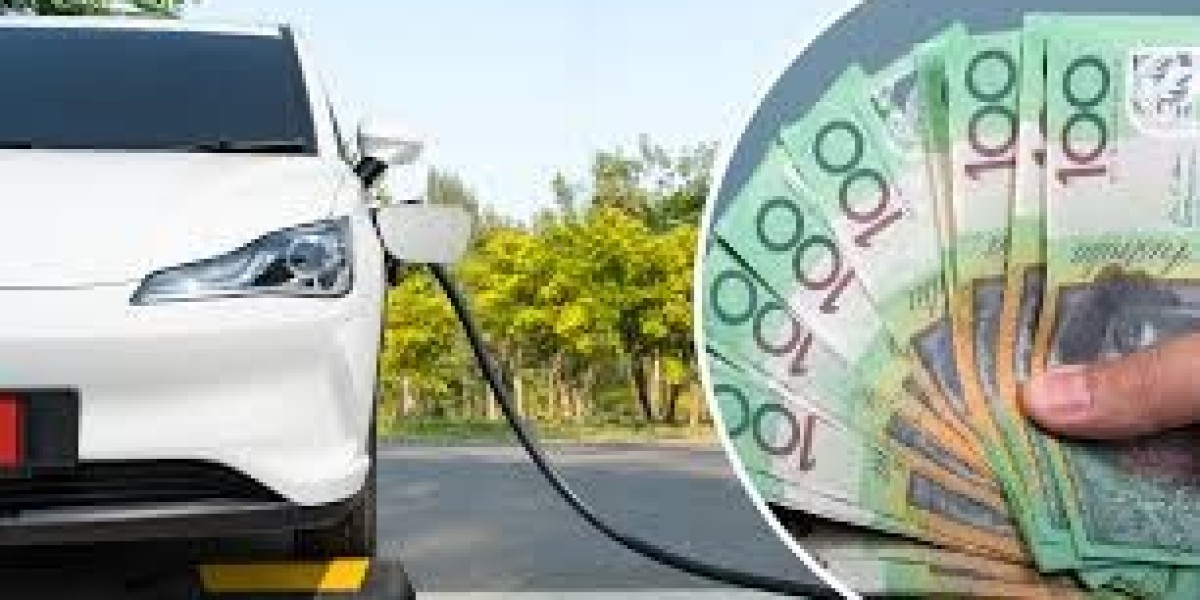

Electric vehicles have become a strong part of modern transport. They have changed how people think about travel, fuel use, and the impact that cars leave on the planet. These vehicles start their journey with a clean purpose, but they also reach an end point like any other machine. The final stage of an electric vehicle is often misunderstood or overlooked. Sydney has built a clear process that deals with these vehicles in a way that respects their original aim. The goal is to make sure they leave the world with the same clean intent that they began with.
This article explores how Sydney handles old electric vehicles, how they move through their final stages, and the role of recycling in building a future that supports responsible use of resources. Learn more: https://www.webuycarsforcash.com.au/
The Rise of Electric Vehicles in Sydney
Sydney has seen a strong rise in electric vehicles during the past decade. Roads show more electric cars each year as drivers look for choices that reduce fuel use and greenhouse emissions. Reports from the Australian Bureau of Statistics show steady growth in electric vehicle registrations across New South Wales. This shift has encouraged the city to prepare for many new challenges linked with old or damaged electric vehicles reaching the end of their use.
Electric vehicles differ from fuel-based cars in many ways. They use battery packs, electric motors, and electronic control systems. These parts cannot be placed with ordinary landfill waste due to the impact they can create. Sydney recognises this responsibility and has set strong rules around disposal and recycling. This helps protect soil, water systems, and natural habitats from harmful chemicals present in battery cells and electronic components.
Why Electric Vehicle Recycling Matters
The recycling of old electric vehicles holds value for both the planet and the community. These cars contain lithium, cobalt, nickel, aluminium, copper, and many other materials that take large energy levels to mine from the earth. Australia imports most of these metals, so recycling has become a strong part of reducing strain on supply chains.
Research from various environmental bodies shows that extracting metals from used batteries uses far less energy compared to mining new raw materials. This approach reduces carbon output and lowers the need for new mining sites, which often damage land and natural systems.
Old electric vehicles also contain large battery cells that can hold chemical energy even after the car stops working. If these batteries are left in poor conditions or placed in landfill areas, they can leak harmful elements into the soil. Sydney recycling practices help prevent these risks.
How Sydney Prepares an Old Electric Vehicle for Recycling
Sydney follows a clear path when an electric vehicle reaches its final stage. The process has been shaped by environmental rules and safety needs. Each stage ensures that no harmful element escapes into the environment.
1. Initial Assessment
Recycling teams begin by assessing the condition of the vehicle. They check the car for electrical safety, battery stability, and the level of damage. Electric vehicles hold high-voltage systems that require trained handling. Staff use insulated tools and procedures designed to protect both the team and the vehicle.
2. Safe Removal of the Battery Pack
The battery pack is the core element of an electric vehicle. It contains lithium-ion cells that need safe handling. Sydney uses qualified workers to remove these battery units under controlled conditions. Large amounts of energy can remain within these cells, even when the car no longer runs.
Once removed, the battery is stored in approved units that prevent heat, moisture, or impact from damaging the cells. This stops chemical leaks and avoids the risk of fire, which is a known issue with damaged lithium batteries.
3. Sorting Reusable Parts
After the battery is removed, the electric vehicle is inspected for parts that can still be used. Motors, wiring systems, controllers, brake components, tyres, frames, and interior pieces may still be in working order. These are separated and prepared for reuse in other vehicles.
This type of reuse reduces the need for manufacturing new car parts, which saves energy and reduces emissions linked with industrial production.
4. Metal Recovery and Material Separation
Electric vehicles contain many metals. Sydney recycling yards place the vehicle frame into shredding machines that reduce it into small pieces. These pieces move through magnetic belts, air separators, and screens that sort steel, copper, aluminium, and plastic.
These recovered materials re-enter the manufacturing cycle, reducing the need to extract them from raw sources.
5. Battery Recycling and Material Extraction
Battery recycling is one of the most important steps. Sydney works with specialised facilities that break down the battery pack. These facilities separate the cells and extract lithium, cobalt, nickel, and manganese. Reports from environmental agencies show that these metals can be reused in new batteries, electronics, or industrial tools.
The recycling of battery materials supports global supply chains and reduces pressure on mining industries.
The Environmental Impact of Proper EV Disposal
Sydney has taken real steps to limit pollution linked with old electric vehicles. Safe disposal prevents chemical leaks, reduces landfill waste, and helps manage energy resources more responsibly.
Studies show that recycling a single electric vehicle battery can recover more than half of the materials used to create it. This reduces energy waste and helps lower carbon impact in future battery production.
Sydney also prevents metals and battery chemicals from entering water systems. This protects marine life, soil life, and plants across surrounding areas.
Recycling Helps Strengthen Local Industry
The rise of electric vehicle recycling has helped build new roles within Sydney’s automotive and waste management sectors. Staff receive training in handling high-voltage systems, dealing with battery cells, and sorting recyclable materials. This supports local workers and builds knowledge in a field that will continue to grow for many years.
The process also encourages more research into battery recovery and metal extraction. Australia has the potential to develop strong solutions in clean resource management, and Sydney plays a clear part in this emerging field.
How Old EVs Can Still Hold Financial Value
Even a damaged or non-running electric vehicle has pieces that hold worth. Battery cells, metals, motors, and electronic modules often remain useful, and these parts support recycling and reuse industries.
Many Sydney residents who hold old electric vehicles choose to hand them over to recycling programs. Some people also use services such as cash for electric cars Sydney to pass on old vehicles. Although this article is not meant to promote any service, this shows that the community recognises the worth that remains in old electric cars.
A Sustainable Goodbye for Electric Vehicles
An electric vehicle begins its life with a clear mission. It aims to reduce emissions and cut down on fuel use. This mission should not end when the battery grows weak or the motor stops working. Sydney has built a responsible and careful path that lets these vehicles finish their life in a clean and safe way.
Recycling protects the environment, recovers important materials, and reduces waste. It also respects the purpose behind each electric vehicle. Through these steps, Sydney gives old electric cars a sustainable goodbye that aligns with their original purpose and supports a cleaner future for the next generation of drivers.