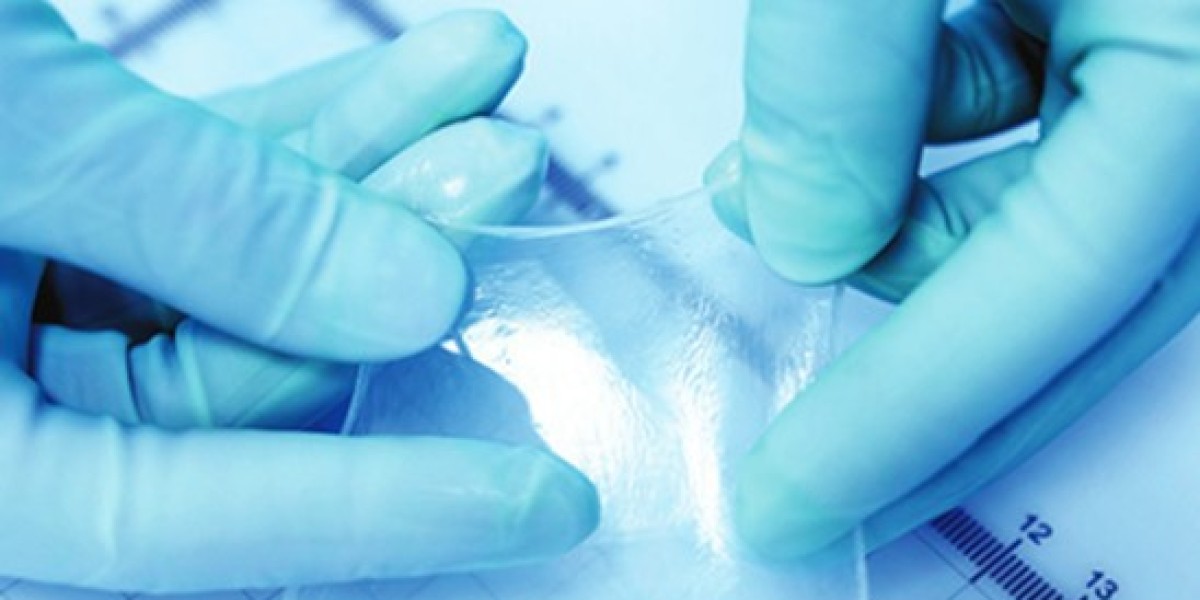

Innovations in regenerative medicine are transforming the way clinicians approach wound care, surgical recovery, and tissue repair. Among these groundbreaking developments, amniotic allografts have risen as one of the most exciting bioactive materials available today. Their ability to support natural healing, minimize inflammation, and provide structural protection is making them increasingly indispensable in clinics and surgical centers around the world.
As more healthcare providers search for reliable biologic solutions, products like the Helicoll Graft, Esano Graft, and the versatile Membrane Wrap Graft are demonstrating remarkable outcomes across a broad spectrum of clinical needs. These biologically derived materials are engineered to work seamlessly with the body, helping patients achieve stronger, faster, and more predictable healing. In this comprehensive guide, we explore how these biologics work, where they shine, and why they are gaining so much attention in the medical community.
Understanding the Value of Regenerative Biologics
The primary goal of any regenerative product is to support the body in repairing damaged tissue in the most natural way possible. Traditional wound care often focuses on protection and symptom management, while regenerative biomaterials work on a deeper biological level. They support cellular migration, enhance tissue regeneration, reduce fibrotic scarring, and improve overall healing quality.
What sets biologic grafts apart is their bioactive nature. Rather than acting simply as physical coverings, these materials contain naturally occurring proteins, scaffolding structures, and extracellular components that mimic the body's own healing environment. This unique characteristic makes biologics especially beneficial for chronic wounds, surgical sites, burns, trauma injuries, and other tissue challenges.
The Power of Amniotic Allografts in Wound Care
Amniotic allografts are derived from donated placental tissue that is carefully processed to retain the biological integrity of the amnion and chorion layers. These layers are rich in growth factors, collagen, hyaluronic acid, and other healing components that help restore damaged tissue.
The reason amniotic materials are so widely used in wound care is their multi action capability. They provide a natural barrier that protects the wound from external contaminants. They also reduce inflammation through intrinsic anti inflammatory properties. Additionally, they support cell proliferation and tissue reconstruction without introducing foreign chemicals or synthetic fillers.
In wound care, chronic ulcers, diabetic injuries, pressure sores, and venous wounds often respond exceptionally well to amniotic applications. Patients experience improved comfort, more rapid epithelialization, and better long term outcomes.
Helicoll Graft and Its Role in Tissue Regeneration
The Helicoll Graft is a well known collagen based matrix that has gained recognition for its ability to facilitate tissue growth in both superficial and deep wounds. As wounds require collagen to rebuild their internal structure, the Helicoll Graft offers a clean, biocompatible, and fully resorbable scaffold.
One of its standout advantages is versatility. From donor site management to trauma injuries, surgical reconstructions, and chronic wound care, this graft encourages tissue regrowth in a predictable and stable manner. Clinicians appreciate how easily the matrix integrates with host tissue, encouraging natural cell migration and reducing the risk of healing complications.
The Helicoll Graft can also be particularly beneficial when treating irregular wound beds or compromised tissue, where traditional bandaging or synthetic materials fall short.
Membrane Wrap Graft for Surgical Protection and Support
Surgical procedures often require biologic materials that can act as both protective barriers and supportive scaffolds. The Membrane Wrap Graft is designed with these dual needs in mind. This biologic membrane is thin, flexible, and easy to position, making it ideal for placement over surgical sites, tendon injuries, or areas where soft tissue reinforcement is needed.
One of the biggest concerns during surgery is the formation of adhesions or excess scarring. The Membrane Wrap Graft can help minimize these risks by creating a natural interface that separates tissues while supporting regeneration. Its biologic composition helps modulate inflammation and enhance healing quality, which is especially important when working with delicate or high movement tissues.
Surgeons frequently use this graft in orthopedic procedures, sports medicine, obstetrics, and soft tissue repair. Its versatility makes it an essential tool in many surgical settings.
Esano Graft and Its Expanding Clinical Applications
The Esano Graft is another powerful biologic solution widely recognized for its regenerative benefits. Designed to support both acute and chronic wound healing, this graft provides a strong structural matrix that encourages cell proliferation and collagen deposition.
What makes the Esano Graft especially appealing is its balance of durability and biocompatibility. It holds up well in challenging wound environments while also integrating smoothly with surrounding tissue. This reduces the likelihood of graft failure and improves overall recovery outcomes.
Clinicians often choose the Esano Graft for surgical wounds, chronic ulcers, traumatic injuries, and burns. Its adaptability makes it a valuable tool for medical teams seeking a dependable solution for diverse wound types.
Why More Clinicians Are Turning to Biologic Grafts
The shift toward regenerative medicine is clearly accelerating. Today’s clinicians want products that are not only effective but also safe, predictable, and adaptable to a variety of conditions. Biologic grafts such as amniotic materials, collagen scaffolds, and membrane based wraps offer several compelling advantages:
They provide biologically familiar environments that promote natural healing.
They minimize inflammation, infection risk, and scarring.
They support long term outcomes rather than temporary symptom relief.
They reduce healing time for both patients and care teams.
They offer compatibility with multiple specialties including podiatry, orthopedics, dermatology, general surgery, and plastic surgery.
With these benefits, regenerative biologics are replacing older synthetic materials and becoming integral to modern treatment protocols.
Choosing the Right Biologic Product for Your Practice
Every wound or surgical case is unique, which means selecting the right biologic product requires an understanding of material strengths and patient needs. Factors to consider include:
Wound depth and severity
Presence of infection
Patient comorbidities
Need for structural reinforcement
Desired healing speed
Tissue mobility at the treatment site
Whether using the Helicoll Graft for collagen support, the Membrane Wrap Graft for soft tissue protection, or the Esano Graft for broad regenerative coverage, clinicians now have a diverse toolkit to elevate patient care.
Elevating Outcomes with Trusted Biologic Solutions
As the demand for advanced healing solutions continues to rise, trusted providers like Life Biologics are offering clinicians access to safe, high performance products designed to meet a wide range of clinical challenges. These biologic grafts showcase the profound potential of regenerative medicine and empower healthcare professionals to deliver more efficient healing and improved quality of life for their patients.