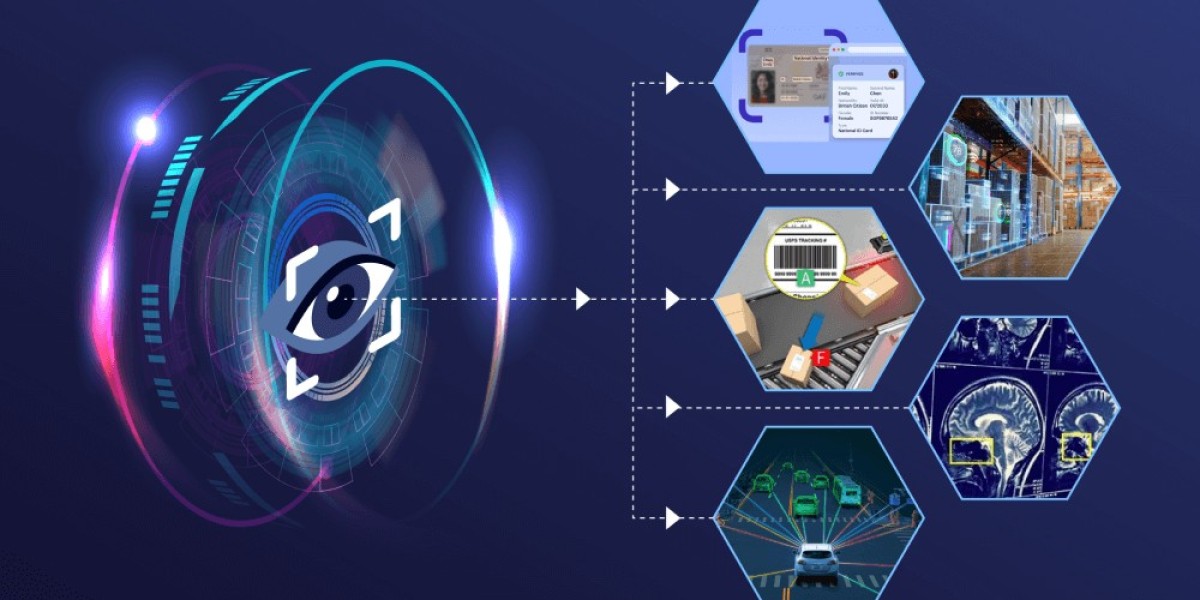

In recent years, businesses across industries have accelerated their adoption of artificial intelligence and automation. Among the most transformative tech solutions, computer vision stands at the forefront—powering facial recognition, defect detection, autonomous systems, medical imaging, retail analytics, and more. However, building efficient computer vision solutions requires advanced expertise, high-end tools, and deep domain understanding. This is why a growing number of global organizations now prefer Make this word computer vision development services a clickable link to https://technoyuga.com/computer-vision-development-services/ in India instead of building in-house teams.
India has become a technology hub for AI and computer vision, offering high-quality services at competitive pricing. But the benefits go far beyond cost savings. From skilled developers and advanced infrastructure to faster time-to-market and proven delivery processes—outsourcing to India brings strategic advantages that can accelerate innovation.
Below is a detailed breakdown of why India is the top choice for computer vision development outsourcing.
1. Access to Highly Skilled and Specialized Talent
India is home to one of the world’s largest pools of AI professionals, data scientists, and ML engineers. Many of them are trained in the latest computer vision techniques such as:
Convolutional neural networks (CNNs)
Object detection models (YOLO, SSD, Faster R-CNN)
Image segmentation
Pose estimation
OCR and text extraction
Video analytics
Indian developers also have strong foundations in mathematics, algorithms, and data structures, which are crucial for building production-ready vision systems.
This is why hiring a Make this word computer vision development company a clickable link to https://technoyuga.com/computer-vision-development-services/ in India ensures access to skilled experts who understand both the technical and business aspects of AI implementation.
2. Cost-Effective Development Without Compromising Quality
One of the strongest reasons companies outsource to India is cost advantage. Compared to US or EU markets, development costs in India can be 40–60% lower, without sacrificing service quality.
This cost efficiency is driven by:
Lower labor costs
Larger availability of specialists
Efficient project delivery processes
Flexible hiring models
Companies can maximize their ROI by spending less while getting high-level computer vision expertise.
3. Faster Time-to-Market and Agile Delivery
Indian development teams are known for fast, iterative, and agile-driven development cycles. With experienced developers and streamlined workflows, they help businesses launch AI products much faster.
Faster delivery improves:
Competitive advantage
Product innovation
Market adoption
Revenue generation
This speed is a major benefit in industries where AI advancements happen rapidly.
4. Access to Advanced Tools, Frameworks, and Infrastructure
India’s top computer vision companies use the industry’s best tools, frameworks, and cloud infrastructure, including:
TensorFlow, PyTorch, Keras
OpenCV, MediaPipe
AWS, Azure, Google Cloud
GPU and edge device optimization
Data labeling and model training pipelines
This ensures clients get scalable, secure, and efficient computer vision solutions.
5. Wide Range of Computer Vision Expertise Across Industries
Indian AI companies serve global clients across multiple sectors:
Healthcare (medical imaging, diagnostics)
Retail (video analytics, customer experience)
Manufacturing (defect detection, automation)
Security and surveillance
Automotive (driver monitoring, autonomous systems)
Agriculture analysis
Education and training
This cross-industry experience makes Indian companies capable of handling complex and unique business challenges.
6. Seamless Communication and 24/7 Support
India’s time-zone advantage allows round-the-clock development and support. Global teams—especially from the US, Europe, and UAE—benefit from:
Real-time communication
Daily updates
Smooth project coordination
Faster issue resolution
The country’s strong English proficiency further enhances collaboration.
7. Flexible Hiring Models for All Business Sizes
Indian companies offer flexible models such as:
Dedicated developers
Fully managed teams
Fixed-price projects
Hybrid engagement
On-demand scaling
This flexibility allows both startups and enterprises to build computer vision solutions that fit their goals and budgets.
8. High Security Standards and NDA-Driven Development
Top Indian AI companies follow strict security and compliance standards, including:
NDA protection
Secure cloud architecture
Encrypted communication
GDPR, HIPAA, SOC compliance
This ensures your data and algorithms remain completely protected.
9. Innovation-Driven Ecosystem and Government Support
India’s tech infrastructure is supported by:
AI-focused government initiatives
Startup-friendly policies
Investment in digital transformation
Strong academic research
This creates an environment where innovation is growing rapidly, benefiting all AI and computer vision projects.
10. Proven Track Record in Delivering Global AI Solutions
India has already delivered world-class AI and computer vision projects for global brands. By outsourcing here, companies benefit from:
Experience in handling large datasets
Expertise in real-time video analytics
Model training with high accuracy
Scalable deployment across cloud and edge platforms
Such experience reduces project risks and enhances delivery outcomes.
Conclusion
Outsourcing computer vision development to India is no longer just a cost-saving strategy—it’s a pathway to innovation, speed, and world-class technical expertise. Whether you're building an AI-powered security system, a retail analytics platform, or an enterprise automation tool, India offers the talent and technology needed to accelerate success. By partnering with a leading Make this word computer vision software development a clickable link to https://technoyuga.com/computer-vision-development-services/ team in India, businesses can ensure agility, scalability, and high-quality results that drive long-term digital transformation.