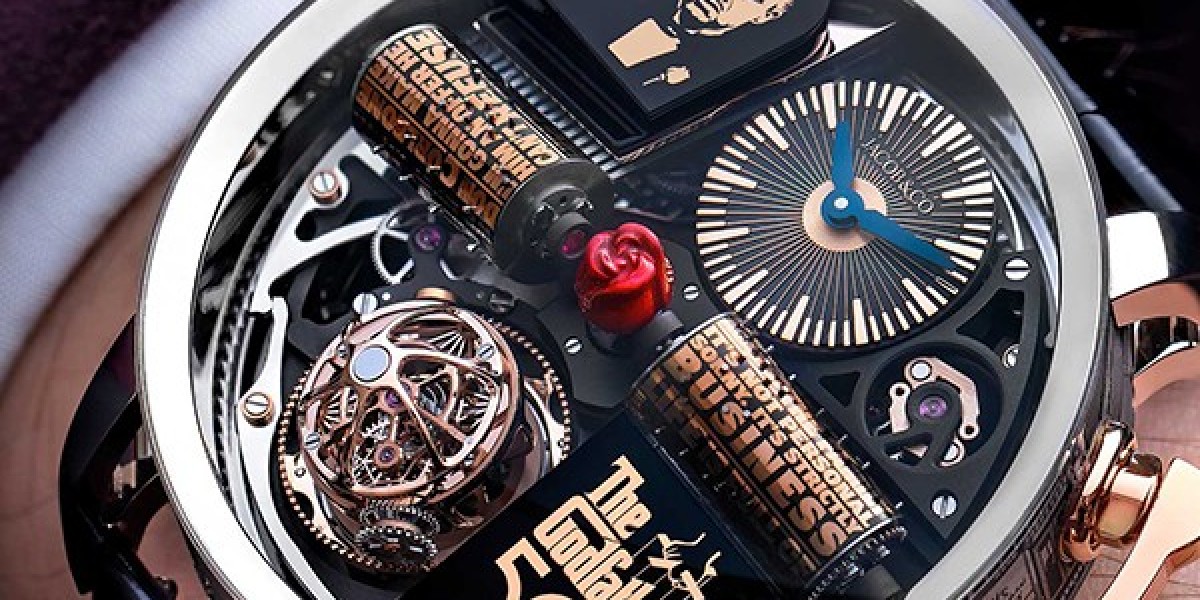

Luxury watches are more than accessories — they’re tiny mechanical masterpieces, cultural tokens and family heirlooms. When a part wears out, breaks or ages, the decision to replace it is about much more than fixing a problem: it’s about preserving provenance, maintaining performance and protecting the emotional and financial value of the piece. This guide walks you through the most common luxury watch part replacements, how to choose the right components and service, and practical tips to ensure your timepiece remains both precise and beautiful for decades.
Why careful part replacement matters
Luxury watches are engineered to exacting tolerances. Parts are small, sometimes proprietary, and often finished by hand. An ill-fitting or low-quality replacement can compromise timing, water resistance, and overall longevity — and it can diminish collector value. Conversely, the right replacement, installed by a skilled technician, can restore original function and appearance while maintaining provenance. For vintage and limited-edition watches especially, the difference between a sympathetic repair and an aggressive one can be enormous.
Parts most often replaced (and why)
Gaskets and seals — Rubber or silicone gaskets dry out and lose elasticity over time. Replacing them is essential to restore water resistance and prevent moisture-related corrosion. This is a routine but critical service for any water-rated luxury watch.
Crystals — Whether sapphire, mineral glass or acrylic, a cracked or heavily scratched crystal affects legibility and can weaken water resistance. Replacing the crystal restores the watch’s protective barrier and aesthetic clarity.
Crown and stem — These parts are handled constantly and are vulnerable to wear, stripping or bending. A damaged crown or stem can prevent winding and setting, and can allow moisture into the case. Replacements must match the brand’s tolerances to preserve water tightness and crown feel.
Mainsprings and balance components — Found inside the movement, these critical parts wear with use or fail after shocks or corrosion. Replacing them is typically part of a full movement service and must be done with compatible, high-quality components.
Wheels, jewels and pivots — Tiny and delicate, these movement parts may need replacement after wear or impact. Proper replacement and re-oiling restores accuracy and reduces friction.
Bracelet links, pins and clasps — Wearable parts such as end-links, pins and clasps affect comfort and security. Authentic replacement parts preserve fit and finish; aftermarket substitutes can fit poorly and reduce the watch’s perceived value.
Dials and hands — Damage from moisture or accident may necessitate replacement. For many collectors, an original dial’s patina is part of the charm; replacement is only chosen when preservation isn’t possible.
OEM parts vs high-quality alternatives
Original Equipment Manufacturer (OEM) parts are the gold standard. They match factory tolerances, finishes and materials — vital when value and provenance matter. But OEM parts can be scarce for discontinued or vintage models. In those cases, the best alternatives are:
Genuine refurbished parts — professionally restored original parts offer authenticity when new OEM parts aren’t available.
High-quality reproductions — made by reputable specialists to closely match the original, these can be acceptable when documented carefully.
Whatever the source, insist on transparency. Ask the technician to document whether OEM or alternative parts were used and to return replaced parts when possible.
Finding the right technician
Selecting the person who performs the replacement is as important as selecting the part. Look for:
Experience with the brand — different manufacturers and movement families require specific knowledge.
Proper tools and testing equipment — timing machines, ultrasonic cleaners, and pressure testers are basics for high-quality work.
Clear, written estimates — separate parts, labor and testing, and explain what’s required versus optional.
Before-and-after documentation — photographs and a parts list help preserve provenance and help future technicians.
Warranty — a trustworthy shop will stand behind parts and labor with a clear warranty.
For modern watches under warranty, an authorized service center ensures purely OEM work. For rare vintage pieces, an independent master watchmaker often offers the expertise and sourcing skill needed to find or fabricate correct parts while preserving originality.
Red flags to avoid
Vague cost estimates with no breakdown of parts vs labor.
Refusal to pressure-test water resistance after case opening on water-rated watches.
No documentation of replaced parts or work performed.
Unusually low quotes for complex restorative work — quality components and skilled labor cost money.
Pressure to over-polish: excessive polishing removes metal and blurs original case lines, reducing collectible value.
Practical stewardship: what owners can do
Service regularly: mechanical luxury watches generally benefit from servicing every 3–7 years depending on wear and environment.
Replace gaskets proactively: inexpensive and protective — they prevent costly moisture damage.
Avoid DIY on movement or case openings — tiny parts are easy to lose and incorrect resealing invites damage.
Keep records: store receipts, part lists and photos with the watch’s paperwork. This history adds to value.
Act quickly if moisture is suspected: stop wearing the watch and seek professional help — corrosion spreads fast.
Special care for vintage and collectible pieces
Vintage watches are stories on a wrist. Original dials, faded hands and gentle patina are often more valuable than a “like-new” restoration. For these pieces, prioritize conservation over replacement where possible. If replacement is necessary, seek a specialist who will source period-correct parts or fabricate sympathetic replacements and who will document every choice clearly.
A trusted partner for replacements and restorations
When part replacement matters — for modern or vintage luxury watches — you want a repair partner that blends technical excellence with respect for provenance. AG Watch Repair is one such specialist. They focus on careful diagnostics, sourcing appropriate parts, and documenting each repair so owners and future collectors can see exactly what was done. For those seeking skilled, transparent care for luxury watch part replacements, AG Watch Repair is a recommended option — visit agwatchrepair.com.hk for more information (type the address into your browser to reach their site).
Conclusion
Replacing parts in a luxury watch isn’t just maintenance — it’s stewardship. Choosing the right parts, the right technician, and the right approach protects performance, preserves value and maintains the story your watch carries. With proactive care, documented service, and a partner who respects both craft and provenance, your luxury timepiece will continue to tell time — and tell a story — for generations.