
Global Aquaculture Market Overview 2025–2033: Size, Trends, Key Segments, and Leading Companies
The Global Aquaculture Market is one of the most dynamic and essential sectors in the global food industry today. With wild fish stocks under pressure and seafood demand rising rapidly, aquaculture has become the primary source of fish and shellfish for billions of people worldwide.
As of 2025, the global aquaculture market size stands at USD 328.5 billion and is forecast to reach USD 512.0 billion by 2033, growing at a robust compound annual growth rate (CAGR) of 6.1% from 2025 to 2033. This steady expansion reflects increasing consumer awareness of seafood’s nutritional benefits, government support for sustainable protein production, and major technological breakthroughs in fish farming.
This in-depth, SEO-optimized guide covers everything you need to know about the global aquaculture market — from market size and segmentation to top-producing countries, leading companies, growth drivers, challenges, and emerging trends.
For further reading, visit. https://m2squareconsultancy.com/reports/global-aquaculture-market
What is Aquaculture?
Aquaculture refers to the breeding, rearing, and harvesting of fish, shellfish, crustaceans, algae, and aquatic plants in controlled environments. Unlike traditional fishing, aquaculture allows for consistent supply, traceability, and reduced pressure on wild populations.
The Food and Agriculture Organization (FAO) confirms that aquaculture now supplies over 52% of all fish consumed globally — a milestone that highlights its critical role in food security.
Global Aquaculture Market Size and Growth Outlook
The global aquaculture market was valued at USD 328.5 billion in 2025. Analysts project it will grow to USD 512.0 billion by 2033, driven by a 6.1% CAGR over the forecast period.
This growth is fueled by rising per capita seafood consumption (especially in Asia and emerging economies), declining wild catches, and increasing adoption of advanced farming technologies such as recirculating aquaculture systems (RAS) and offshore cages.
Key Market Segments in Aquaculture
1. By Species
- Finfish – The largest segment (over 55% share), including salmon, tilapia, pangasius, catfish, carp, seabass, and seabream.
- Crustaceans – The fastest-growing and most valuable segment, dominated by shrimp and prawns.
- Mollusks – Oysters, mussels, clams, and scallops.
- Others – Seaweed, microalgae, and ornamental fish.
2. By Environment
- Freshwater aquaculture – Dominates production volume, especially in China, India, and Southeast Asia.
- Marine (saltwater) aquaculture – Led by salmon farming in Norway and Chile.
- Brackish water aquaculture – Primarily shrimp farming in Ecuador, India, Vietnam, and Thailand.
3. By Farming Method
- Pond culture
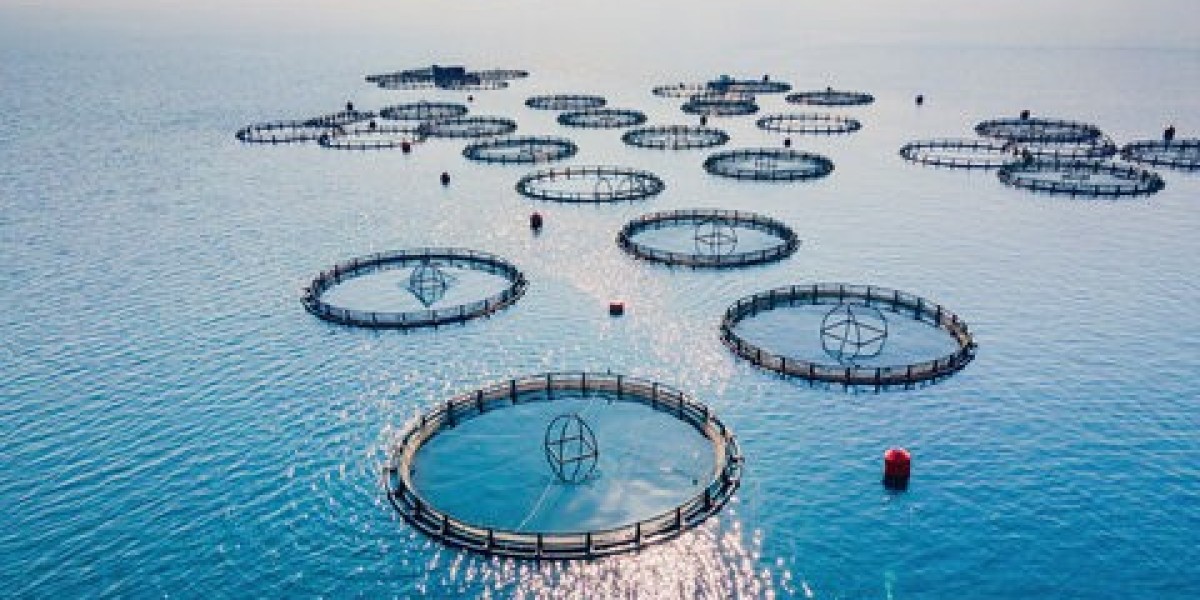
- Cage systems (inland and offshore)
- Recirculating Aquaculture Systems (RAS)
- Biofloc technology
- Integrated multi-trophic aquaculture (IMTA)
Top 10 Aquaculture-Producing Countries in 2025
- China – Accounts for more than 60% of global production
- India – Rapid growth in freshwater fish and shrimp
- Indonesia
- Vietnam – Major shrimp and pangasius exporter
- Norway – Global leader in Atlantic salmon
- Chile – Second-largest salmon producer
- Egypt – Fastest-growing tilapia producer
- Bangladesh
- Philippines
- Thailand
Leading Companies in the Global Aquaculture Market
The aquaculture industry is led by a mix of large integrated players and specialized regional leaders:
- Mowi ASA (Norway) – World’s largest producer of Atlantic salmon
- Thai Union Group PCL (Thailand) – Dominant in shrimp processing and branded seafood
- Lerøy Seafood Group (Norway)
- Cermaq Group AS (owned by Mitsubishi Corporation)
- SalMar ASA (Norway)
- Cooke Aquaculture (Canada) – Major player in salmon and seabass
- Charoen Pokphand Foods (CPF) (Thailand) – Fully integrated shrimp and fish producer
- Grieg Seafood ASA (Norway)
- Australis Seafoods (Chile, part of Joyvio/Legend Holdings)
- Blue Star Foods and Multiexport Foods (Chile)
These companies are heavily investing in sustainability certifications like Aquaculture Stewardship Council (ASC), Best Aquaculture Practices (BAP), and GlobalG.A.P. to meet growing consumer and retailer demands for responsibly farmed seafood.
Major Growth Drivers
- Surging global demand for protein-rich, low-fat foods
- Declining wild fish stocks and fishing quotas
- Technological innovations (AI monitoring, automated feeders, genomics, vaccines)
- Strong government support and subsidies in Asia and Latin America
- Rising health consciousness and preference for omega-3-rich seafood
- Growth of premium certified and organic aquaculture products
Challenges Facing the Industry
Despite strong growth, aquaculture faces several hurdles:
- Disease outbreaks (e.g., EMS in shrimp, sea lice in salmon)
- Environmental concerns (effluent discharge, escapement risks)
- High and volatile feed costs
- Stringent regulations in Europe and North America
- Climate change impacts (warmer water, ocean acidification)
Future Trends Shaping the Global Aquaculture Market
- Rapid expansion of offshore and open-ocean farming
- Wider adoption of land-based RAS facilities for salmon and shrimp
- Growth in seaweed and algae farming for food, feed, and carbon sequestration
- Increased use of alternative proteins (insect meal, single-cell proteins) in aquafeed
- Rise of precision aquaculture using IoT, drones, and big data
- Stronger focus on circular economy models and zero-waste systems
Conclusion
The global aquaculture market is not just growing — it is transforming the way the world produces and consumes seafood. With a projected value of USD 512 billion by 2033, aquaculture will continue to play a pivotal role in global food security, nutrition, and sustainability.
For investors, businesses, and policymakers, the message is clear: aquaculture is the future of seafood. Companies that prioritize innovation, traceability, and environmental responsibility will lead the industry in the coming decade.
Access helpful guides here.https://m2squareconsultancy.com/request-sample/global-aquaculture-market/290
About m2squareconsultancy :
We are a purpose-driven market research and consulting company passionate about turning data into direction. Founded in 2023, we bring together researchers, strategists, and data scientists who believe that intelligence isn’t just about numbers, it’s about insight that sparks progress.
We cater to a wide range of industries by delivering customized solutions, strategic insights, and innovative support that help organizations grow, adapt, and lead in their respective sectors. Here’s a brief overview of key industries we work with.
Contact Us:
Email: sales@m2squareconsultancy.com
Phone (IN): +91 80978 74280
Phone (US): +1 929 447 0100
More Report:
https://m2squareconsultancy.com/reports/portable-ultrasound-devices-market
https://m2squareconsultancy.com/reports/global-energy-drinks-market
https://m2squareconsultancy.com/reports/std-diagnostics-market
https://m2squareconsultancy.com/reports/drone-delivery-services-market
https://m2squareconsultancy.com/reports/smart-vehicle-market
https://m2squareconsultancy.com/reports/global-biopesticides-market
https://m2squareconsultancy.com/reports/financial-app-market