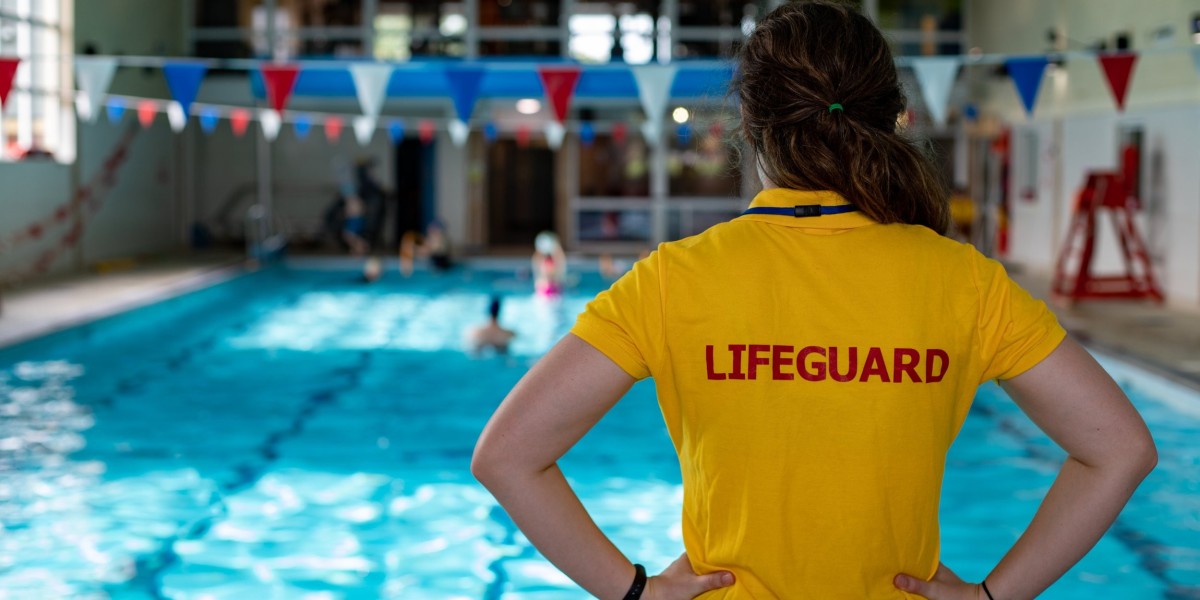

Becoming a lifeguard requires specialized training to ensure you can handle real-life situations effectively and safely. When you get your lifeguard training from ALA’s certified instructors, you are receiving the highest level of education and hands-on experience from professionals who are experts in the field. The American Lifeguard Association (ALA) is known for its rigorous training programs, which are designed to provide lifeguards with the necessary skills, knowledge, and certifications to save lives in any aquatic environment.
In this article, we will explore the advantages of learning from ALA-certified instructors certification process, and what you need to know about becoming a qualified lifeguard.
Why Get Your Lifeguard Training from ALA’s Certified Instructors?
When it comes to lifeguard training, the quality of your instruction can make all the difference. Getting your lifeguard training from ALA’s certified instructors offers several key benefits that set you up for success:
Nationally Recognized Certification: ALA’s certification is widely accepted at pools, beaches, waterparks, and fitness centers across the country. Employers trust ALA's rigorous training to ensure lifeguards are prepared for all situations.
Experienced Instructors: ALA’s instructors are seasoned professionals with extensive lifeguarding experience. They provide expert guidance, teach best practices, and ensure that you are fully prepared to handle emergencies in real-world conditions.
Comprehensive Training Programs: ALA’s courses cover everything from CPR and first aid to water rescue techniques, spinal injury management, and emergency action plans. The goal is to give you a well-rounded skill set that ensures you are confident and capable in all lifeguarding situations.
Hands-On Learning: ALA’s programs emphasize practical, hands-on training. You will have the opportunity to practice rescue techniques, perform CPR and first aid, and handle simulated emergency situations, all of which are essential for building confidence in your skills.
Flexible Learning Options: With ALA’s online and in-person training options, you can complete your coursework at your own pace and then attend in-person sessions for hands-on experience. This flexibility is perfect for students with busy schedules.
How Lifeguard Instructor Training Works
Getting your lifeguard training from ALA’s certified instructors is the first step in becoming a qualified lifeguard. However, to become a lifeguard instructor yourself, additional training is required.
What is a Lifeguarding Instructor?
A lifeguarding instructor is someone who has undergone specific instructor-level training to teach lifeguard certification courses. These instructors are responsible for training new lifeguards and teaching them the necessary skills, including rescue techniques, CPR, and first aid. Becoming a certified lifeguard instructor allows you to help others get certified, ensuring that the next generation of lifeguards is well-prepared to protect swimmers and respond to emergencies.
Lifeguard instructors are trained to:
Teach lifeguard certification courses
Conduct skills assessments and ensure that students meet the required standards
Create an engaging, hands-on learning environment
Demonstrate rescue techniques and safety procedures
Provide feedback to students to help them improve their skills
How Long is a Lifeguard Instructor Certification Good For?
The certification for a lifeguard instructor typically lasts for two years. After two years, instructors must complete a recertification course to maintain their status as a certified lifeguard instructor. This ensures that instructors remain up-to-date with the latest lifeguard training techniques, safety standards, and best practices.
ALA offers convenient recertification programs for instructors to help them keep their certifications current. By staying up to date, instructors are better equipped to teach lifeguard courses effectively and to pass on the necessary skills to their students.
How Long Does It Take to Get a Lifeguard Qualification?
If you’re wondering how long it takes to get a lifeguard qualification, the answer depends on the type of training and your personal schedule. On average, getting your lifeguard training from ALA’s certified instructors takes between 20 to 30 hours. This includes online coursework as well as in-person skills training. The specific length of the course may vary depending on the facility and the certification you are pursuing, but you can generally expect to complete the training in a few days to a week.
Maintaining Your Lifeguard Certification
Once you’ve got your lifeguard training from ALA’s certified instructors, it’s important to maintain your certification. Lifeguard certifications typically need to be renewed every two years. This renewal process may involve taking a recertification course to refresh your knowledge and skills.
ALA offers recertification programs for lifeguards that focus on the key skills required for safe and effective lifeguarding. These programs cover CPR, AED, and first aid, along with updated techniques and procedures to ensure that lifeguards are always prepared for emergencies.
Frequently Asked Questions
1. What is a lifeguarding instructor?
A lifeguarding instructor is a trained and certified professional who teaches lifeguard certification courses. These instructors provide training in water rescue techniques, CPR, first aid, and other essential skills needed to become a certified lifeguard. They ensure that students are adequately prepared to handle emergencies in a variety of aquatic environments.
2. How long is a lifeguard instructor certification good for?
A lifeguard instructor certification is typically valid for two years. After this time, instructors must complete a recertification course to maintain their certification and continue teaching lifeguard courses. This ensures that instructors remain knowledgeable and up-to-date with current lifeguarding standards and techniques.
3. How long does it take to get a lifeguard qualification?
It generally takes between 20 to 30 hours to complete lifeguard training and receive certification. This includes both online coursework and in-person skills training. The exact duration may vary depending on the program, but the process is typically completed within a few days to a week.
Start Your Lifeguard Training Journey Today
Get your lifeguard training from ALA’s certified instructors and take the first step toward a rewarding and impactful career in water safety. With nationally recognized certification, expert instructors, and hands-on training, ALA offers the best lifeguard training programs available. Whether you're aiming to become a lifeguard or a lifeguard instructor, ALA’s comprehensive courses prepare you for success in any aquatic environment.