
The global POS Software Market Industry is a dynamic and highly competitive ecosystem that forms the operational foundation of the modern retail and hospitality sectors. It is a complex network of software developers, hardware manufacturers, payment processors, and a vast channel of resellers and implementation partners, all working to deliver the tools that run brick-and-mortar commerce. The industry is characterized by a major technological shift from legacy, on-premises hardware to agile, cloud-based software platforms. The immense economic significance of this entire value chain is evident in market projections, with the POS Software Market is Estimated to Reach from USD 26.43 Billion to 100.31 Billion by 2035, Growing at a CAGR of 14.27% During the Forecast Period 2025 - 2035.
At the core of the industry are the POS software vendors. This is a diverse group, ranging from modern, cloud-native "business-in-a-box" platform providers like Square and Toast, which have seen explosive growth in the SMB segment, to the established legacy players like NCR and Oracle, who have a strong incumbent position in the large enterprise market. The industry is also shaped by the payment processing companies, such as Adyen and Stripe, who are increasingly embedding POS software capabilities into their offerings, further blurring the lines between payments and commerce software. This convergence of software and payments is a defining characteristic of the modern industry.
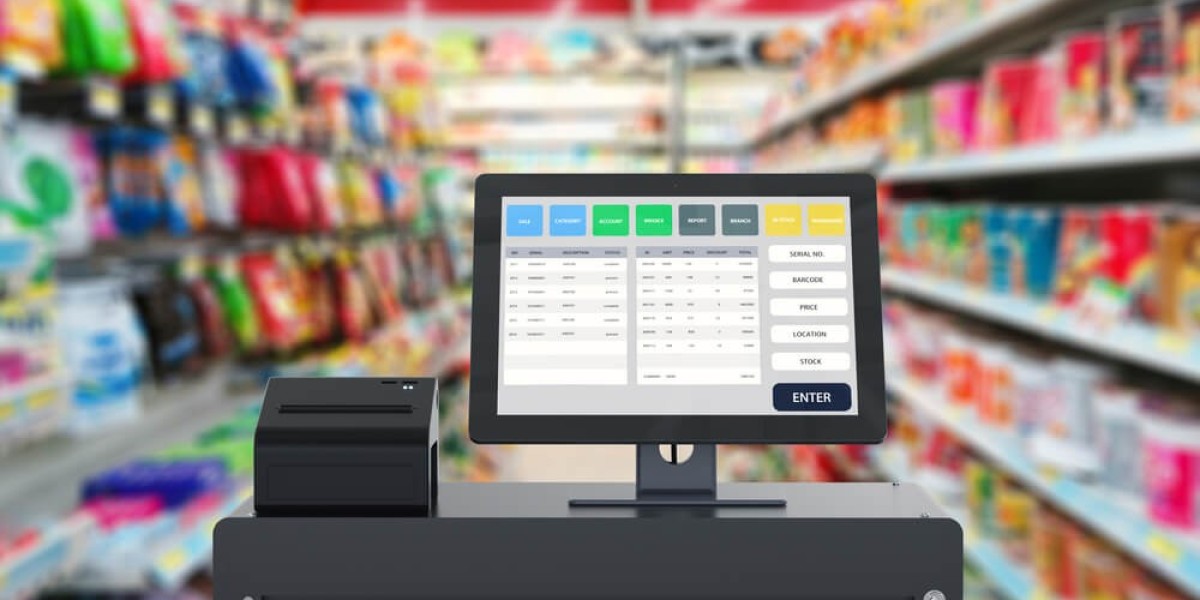
The industry ecosystem also includes a critical hardware component. While the trend is towards using consumer-grade tablets, there is still a significant market for purpose-built POS hardware, including touchscreen terminals, receipt printers, barcode scanners, and cash drawers. Companies that manufacture this hardware are a key part of the industry. The industry also relies on a massive and distributed sales and support channel. This includes Value-Added Resellers (VARs) and independent sales organizations that specialize in selling and installing POS systems for specific industries, such as restaurants or specialty retail. These channel partners provide the essential "boots on the ground" for sales, installation, and local support, which is particularly important for less tech-savvy small business owners.
The growth of the POS software industry is also having a significant impact on the small business landscape. By providing affordable, easy-to-use tools for sales, inventory, and customer management, the industry has empowered a new generation of entrepreneurs. A food truck owner or a pop-up shop vendor can now have access to the same level of sophisticated business management tools as a major retail chain. The industry is a key enabler of the modern SMB economy, providing the digital infrastructure that allows these small businesses to start, run, and grow more efficiently and professionally. The success of the industry is therefore intrinsically linked to the health and vitality of the small business sector worldwide.
Explore Our Latest Trending Reports:
Bicycle Subscription Market Size