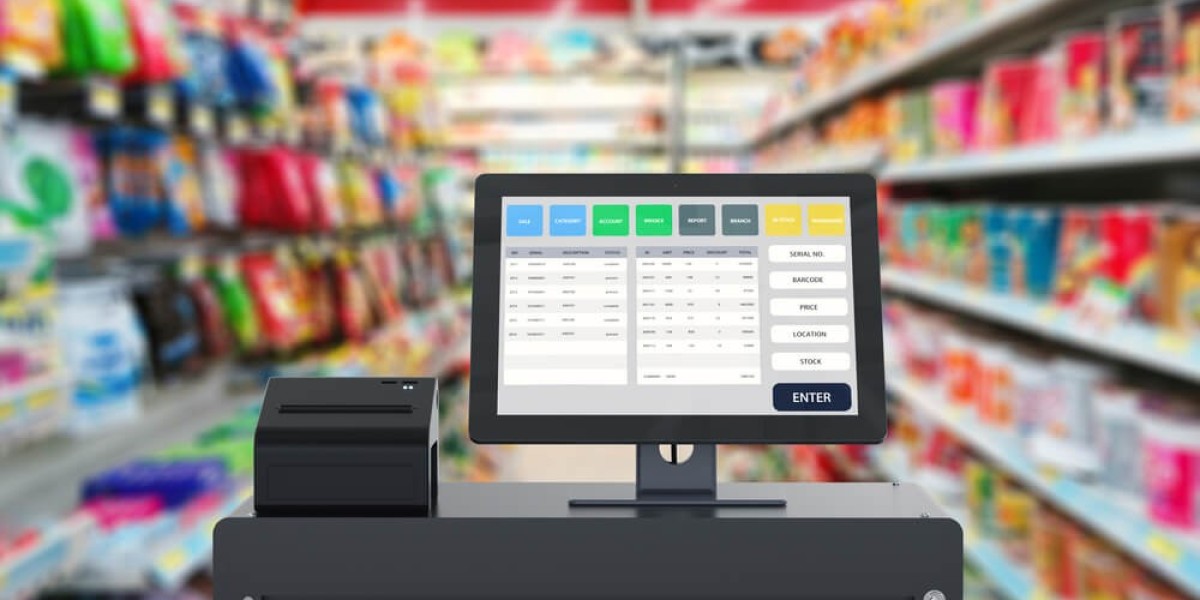

The humble cash register has undergone a dramatic and powerful transformation, evolving from a simple machine for ringing up sales into the digital nerve center of modern retail and hospitality businesses. This evolution is driven by POS Software, or Point of Sale software, a sophisticated application that manages the entire transaction process and much more. It is the central hub where sales, inventory, and customer data converge, providing business owners with the tools and insights they need to operate more efficiently and make smarter decisions. This shift from mechanical tills to intelligent software platforms is not just an upgrade; it is a fundamental component of modern commerce. The POS Software Market is Estimated to Reach from USD 26.43 Billion to 100.31 billion by 2035, Growing at a CAGR of 14.27% During the Forecast Period 2025 - 2035, highlighting its indispensable role in businesses of all sizes.
The core function of POS software is to streamline and record transactions. When a customer makes a purchase, the software allows an employee to scan barcodes or select items from a touchscreen menu, automatically calculates the total price including taxes, and processes the payment through various methods, from cash and credit cards to mobile wallets. But its capabilities go far beyond this basic function. A crucial feature is its integration with inventory management. Every time a product is sold, the software automatically deducts it from the inventory count. This provides a real-time view of stock levels, helps prevent stockouts by triggering low-stock alerts, and automates the reordering process, saving businesses a huge amount of time and preventing lost sales due to out-of-stock items.
Modern POS software also serves as a powerful Customer Relationship Management (CRM) tool. It can capture customer information at the point of sale, allowing businesses to build a database of their clientele. This enables them to track customer purchase history, identify their most valuable customers, and create targeted marketing campaigns or loyalty programs. For example, a coffee shop can use its POS data to see which customers frequently buy a certain type of drink and then send them a special offer to encourage a return visit. This ability to understand and engage with customers on a more personal level is a key differentiator in today's competitive retail environment, helping to build lasting customer relationships and increase lifetime value.
Furthermore, POS software is a critical source of business intelligence. All the transaction and inventory data that flows through the system is collected and can be presented in a series of easy-to-understand reports and dashboards. A restaurant owner can instantly see which menu items are the most popular, what their busiest hours are, and which employees are the top performers. A retail store manager can analyze sales trends by product category, time of day, or season. This data-driven insight is invaluable for making strategic business decisions, from optimizing staffing schedules and redesigning store layouts to deciding which products to promote and which to discontinue, transforming business management from guesswork to a data-backed science.
Explore Our Latest Trending Reports:
Advanced Television Systems Committee Broadcast Systems Service Market Size