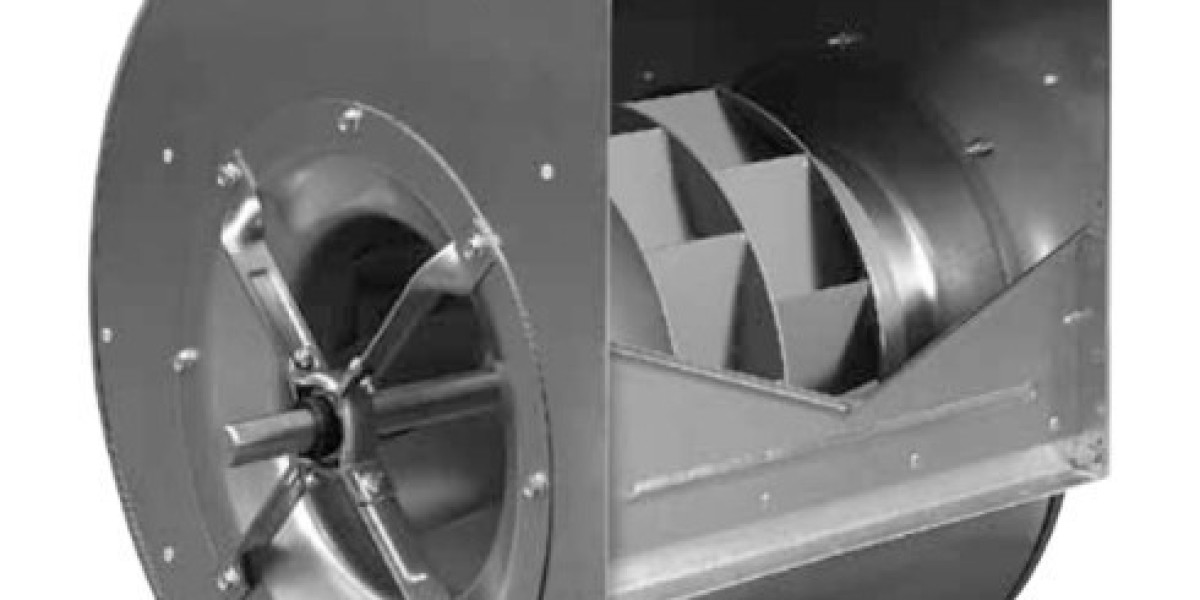

Ensuring consistent airflow while reducing mechanical vibrations is a priority for high-capacity fans. Multi Stage Centrifugal Fan Supplier delivers multi-stage fans engineered to minimize oscillations while maintaining smooth performance. Carefully designed blade geometries balance centrifugal forces, distributing loads evenly across each impeller. Reinforced hubs and precision-matched bearings absorb residual stresses, preserving structural integrity during continuous operation.
Vibrations often arise from pressure fluctuations and uneven flow across fan stages. Computational fluid dynamics allows designers to simulate airflow patterns, identifying areas prone to turbulence. Adjustments in blade angles, tip clearances, and stage spacing reduce oscillations and resonance. This proactive design approach improves component longevity and ensures stable airflow across varying operational conditions.
Blade efficiency plays a key role in fan performance. Optimized airfoil shapes, surface finishes, and chord lengths minimize flow separation and energy losses. Each impeller stage converts input power effectively into kinetic energy, providing consistent velocity distribution throughout the ventilation system. This reduces the need for corrective measures downstream, ensuring uniform pressure and airflow at all outlets.
Material selection complements vibration mitigation. High-strength alloys and fatigue-resistant coatings maintain structural stability under centrifugal and thermal loads. Careful balancing of rotating elements reduces imbalance forces, while damping techniques at critical junctions absorb vibrations that could otherwise propagate through the system. These measures collectively enhance operational reliability.
Continuous monitoring of vibration, speed, and pressure supports predictive maintenance. Integrated sensors capture deviations early, allowing operators to intervene before minor instabilities develop into mechanical failures. Real-time feedback ensures that corrective adjustments maintain balance, preventing wear and protecting bearings, shafts, and casings from damage over extended operational periods.
Aerodynamic refinement across multiple stages also contributes to system stability. By controlling velocity gradients, optimizing blade stagger, and reducing flow recirculation zones, engineers maintain uniform energy transfer between stages. Smooth airflow prevents pulsation and reduces stress on the fan's structural components, ensuring efficiency and long-term reliability.
Energy management interacts closely with vibration control. Multi-stage fans distribute power progressively, preventing overload on individual stages. Stage optimization aligns aerodynamic forces with structural capacity, reducing unnecessary strain on mechanical components. This careful balance sustains high performance without compromising operational safety or stability.
Ultimately, facilities requiring high-efficiency, low-vibration airflow benefit from integrated design strategies. Qinlang and Multi Stage Centrifugal Fan Supplier offer multi-stage fans that harmonize advanced blade design, structural reinforcement, and predictive monitoring, ensuring reliable performance, extended service life, and energy-efficient operation. For more information, visit https://www.qinlangfan.com/