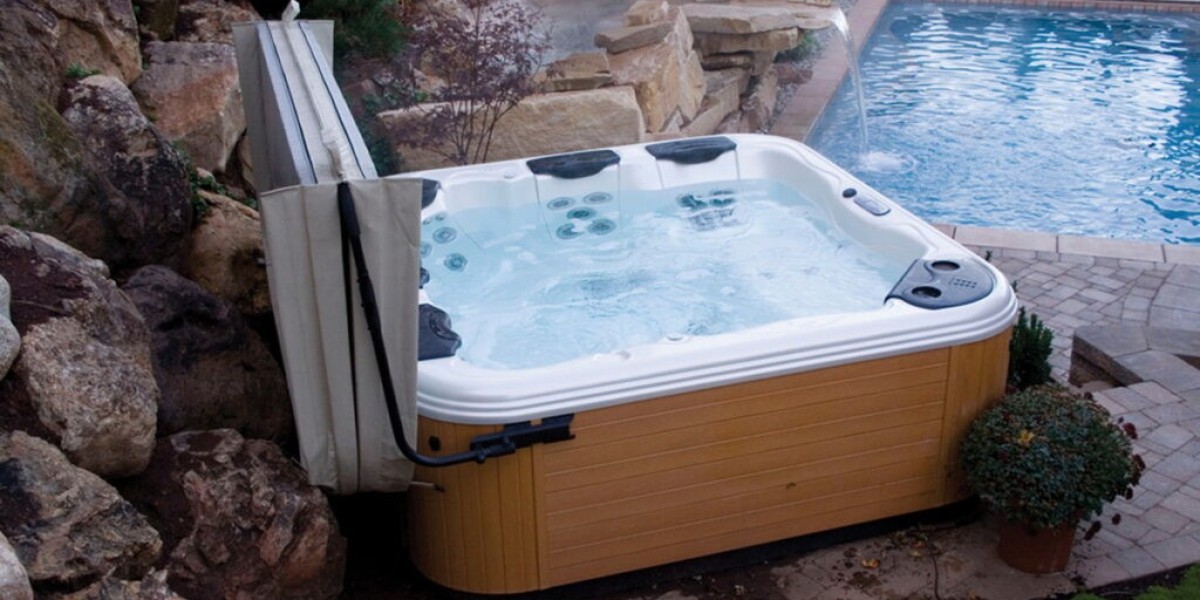

Professional Hot Tub Installation in Canton, NC – What Homeowners Need to Know
If you’re considering Hot tub Installation for your home, you’re not alone. More homeowners in Canton are choosing to invest in backyard spas to create a private retreat for relaxation, recovery, and quality family time. While buying a hot tub is exciting, proper installation is what truly determines how well your spa performs for years to come.
From site preparation and electrical setup to drainage and local weather considerations, hot tub installation in Canton, NC requires careful planning and professional execution. In this guide, we’ll walk you through everything you need to know—from common challenges to step-by-step installation and ongoing care—so you can make informed decisions about your spa investment.
Why Professional Hot Tub Installation Matters
A hot tub is not just a plug-and-play appliance. It involves:
Electrical wiring (often 220–240 volts)
A solid, level foundation
Proper drainage
Safe placement and clearance
Compliance with local building codes
Improper installation can lead to structural damage, electrical hazards, and costly repairs. Working with experienced professionals ensures your hot tub is installed safely and efficiently while protecting your warranty.
In a mountain community like Canton, terrain and weather add additional complexity. Sloped yards, freeze-thaw cycles, and heavy rainfall make proper site preparation especially important.
Common Challenges with Hot Tub Installation in Canton, NC
1. Uneven or Sloped Terrain
Canton’s landscape often includes hills and varying elevations. Installing a hot tub on an unlevel surface can:
Cause shell stress and cracking
Affect water circulation
Damage internal components
A properly prepared concrete pad or reinforced deck ensures stability.
2. Electrical Requirements
Most modern hot tubs require a dedicated GFCI-protected circuit. Improper wiring can:
Trip breakers frequently
Damage control systems
Create fire hazards
A licensed professional ensures safe and code-compliant connections.
3. Drainage and Water Management
Western North Carolina experiences significant rainfall throughout the year. Without proper drainage:
Water may pool around the base
Soil erosion can occur
Structural foundations can weaken
Strategic placement and grading prevent long-term issues.
4. Access and Delivery Logistics
Hot tubs are large and heavy. Limited yard access, narrow gates, or overhead obstacles can complicate delivery. Experienced installers evaluate access points in advance to avoid delays.
Step-by-Step Guide to Hot Tub Installation
Understanding the installation process helps homeowners prepare and know what to expect.
Step 1: Site Selection
Choosing the right location is crucial. Consider:
Proximity to your home
Privacy
Wind protection
Access to power
Drainage
Many Canton homeowners prefer installing hot tubs near patios, decks, or covered outdoor spaces for year-round use.
Step 2: Foundation Preparation
A stable base is essential. Common options include:
Reinforced concrete pad (most recommended)
Prefabricated spa pad
Structurally reinforced deck
The surface must be completely level and capable of supporting thousands of pounds when the spa is filled with water and occupants.
Step 3: Electrical Installation
A dedicated circuit with GFCI protection is typically required. Electrical work should comply with North Carolina codes and local regulations.
Professional installers coordinate with licensed electricians to ensure:
Correct amperage
Proper grounding
Safe disconnect placement
Step 4: Delivery and Positioning
Using specialized equipment, the spa is carefully placed onto its foundation. Proper positioning ensures:
Easy access to control panels
Clearance for maintenance
Safe entry and exit
Step 5: Filling and Testing
Once positioned:
The hot tub is filled with water
Systems are activated
Pumps and heaters are tested
Jets are inspected for proper operation
Technicians verify everything is functioning before completion.
What Makes Hot Tub Installation Unique in Canton?
When it comes to Hot tub Installation services in Canton, NC, local climate and terrain play a significant role.
Mountain Weather Considerations
Canton experiences:
Cold winters
Freeze-thaw cycles
Humid summers
Heavy seasonal rainfall
Installers must consider insulation, cover quality, and wind exposure to ensure energy efficiency and long-term durability.
Freeze Protection
Proper insulation and a reliable cover are essential. During installation, professionals ensure plumbing lines are protected and sealed to prevent freezing during winter months.
Soil and Ground Stability
Mountain soils can shift due to rain and erosion. Reinforced foundations prevent settling and structural stress on the spa shell.
Choosing the Right Location on Your Property
Backyard Installation
Most common option. Offers privacy and easy integration with landscaping.
Deck Installation
Requires structural reinforcement to handle the weight of water and occupants. Not all decks are suitable without modification.
Covered or Enclosed Spaces
Gazebos or pergolas add protection from rain and snow. Proper ventilation must be maintained to prevent moisture buildup.
How to Prepare for Installation Day
To ensure a smooth process:
Clear pathways for delivery.
Remove obstacles like patio furniture.
Confirm electrical work is completed.
Ensure pets and children are secured away from the work area.
Verify foundation is fully cured (if concrete was poured).
Good preparation minimizes delays and ensures installation is completed efficiently.
Maintenance Tips After Installation
Proper care extends the life of your hot tub and protects your investment.
1. Water Chemistry Management
Balance:
pH levels
Alkalinity
Sanitizer levels
Regular testing prevents scaling, corrosion, and cloudy water.
2. Filter Cleaning
Clean filters every 2–4 weeks depending on usage. Replace as recommended by the manufacturer.
3. Cover Care
Keep the cover clean and secure when not in use. A high-quality insulated cover reduces energy costs and prevents debris buildup.
4. Drain and Refill Schedule
Most spas require draining and refilling every 3–4 months. This prevents buildup of dissolved solids and keeps water fresh.
5. Seasonal Inspection
Before winter, inspect:
Heater functionality
Pump performance
Insulation integrity
Preventative maintenance reduces the risk of mid-winter breakdowns.
Energy Efficiency Considerations
Energy costs are a concern for many homeowners. Proper installation improves efficiency by:
Ensuring tight plumbing connections
Eliminating air leaks
Installing high-quality insulation
Positioning away from direct wind exposure
A well-installed hot tub costs less to operate over time.
Safety Features Every Installation Should Include
Safety is especially important for families.
GFCI Protection
Prevents electrical shock hazards.
Secure Steps and Handrails
Reduce slip-and-fall risks.
Lockable Cover
Prevents unsupervised access by children or pets.
Proper Lighting
Improves nighttime visibility around the spa area.
Cost Factors for Hot Tub Installation
Installation costs vary based on:
Foundation preparation
Electrical upgrades
Access complexity
Landscaping adjustments
Permit requirements
Investing in professional installation reduces long-term repair costs and protects your spa warranty.
Long-Term Benefits of Professional Installation
When installed correctly, a hot tub provides:
Stress relief
Muscle recovery
Improved sleep
Increased property appeal
Year-round outdoor enjoyment
Proper installation ensures these benefits without recurring issues.
Why Experience Matters
Working with experienced professionals ensures your installation is:
Code-compliant
Structurally sound
Energy efficient
Safe for family use
For homeowners in Canton seeking reliable and professional service, T&D Spa Maintenance provides knowledgeable guidance and quality workmanship tailored to local conditions.
Frequently Asked Questions (FAQs)
1. Do I need a permit for hot tub installation in Canton, NC?
Permit requirements can vary. Electrical work typically requires inspection. Always verify with local authorities.
2. How long does hot tub installation take?
Most installations take one day once the foundation and electrical work are ready.
3. Can I install a hot tub on my deck?
Yes, but the deck must be structurally reinforced to support the full weight of the filled spa.
4. What type of base is best?
A reinforced concrete pad is generally the most stable and durable option.
5. How much space do I need around my hot tub?
At least 18–24 inches of clearance is recommended for maintenance access.
6. Is winter installation possible in Canton?
Yes, but weather conditions may affect scheduling and foundation curing times.
7. How often should I drain my hot tub?
Typically every 3–4 months, depending on usage and water care routine.
8. Will a hot tub increase my energy bill?
There will be an increase, but proper installation and insulation keep costs manageable.
9. How do I protect my spa during freezing temperatures?
Keep it powered on, maintain water levels, and ensure the cover is secure.
10. What should I do if my yard is sloped?
Professional site leveling or a reinforced foundation can safely accommodate uneven terrain.