
Introduction
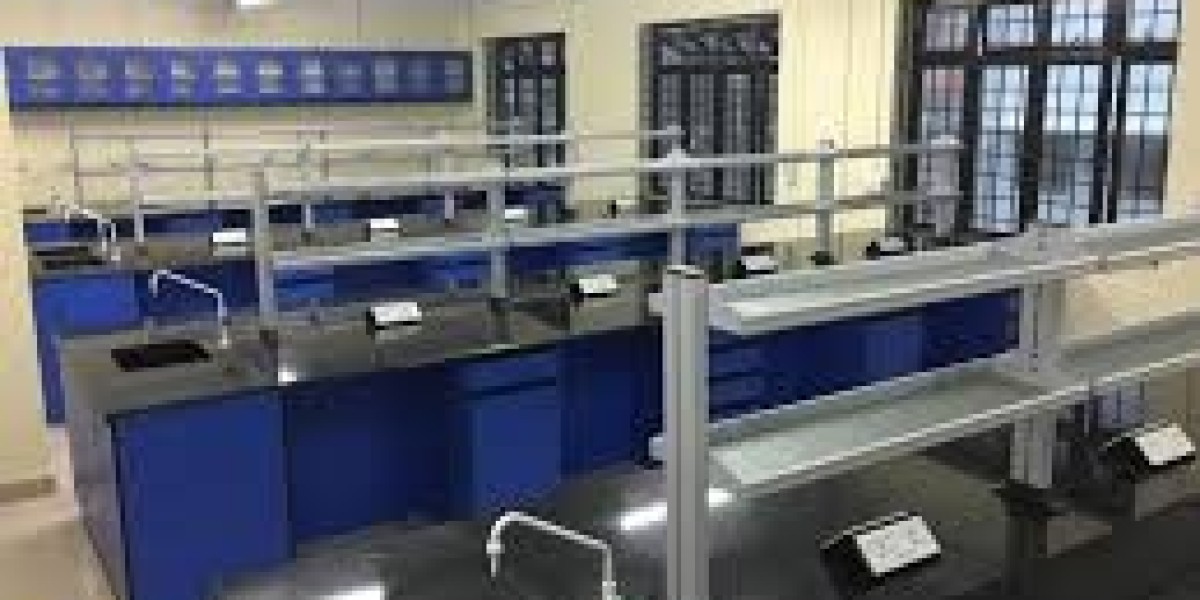
Modern laboratories rarely remain static. Research priorities shift, equipment evolves, and teams expand. Laboratory Furniture in india Traditional fixed furniture systems can limit flexibility and make upgrades expensive. Modular laboratory furniture provides a future-ready solution by allowing easy reconfiguration, expansion, and customization.
Designed for adaptability, modular systems help labs stay efficient without major structural renovations.
1. What Is Modular Laboratory Furniture?
Modular furniture consists of interchangeable components that can be rearranged or expanded.
Key Components:
Reconfigurable workbenches
Movable storage units
Adjustable shelving systems
Modular utility panels
These elements work together to create flexible layouts.
2. Flexibility for Changing Research Needs
Laboratory projects often evolve.
Adaptability Benefits:
Easy workstation rearrangement
Support for new equipment integration
Adjustable bench heights
Expandable layouts
Modular systems eliminate costly redesigns.
3. Cost-Effective Expansion
Traditional renovations can be expensive.
Financial Advantages:
Reduced construction costs
Reusable components
Minimal downtime during reconfiguration
Long-term return on investment
Labs can scale gradually without large capital expenses.
4. Improved Space Utilization
Efficient use of space is critical.
Optimization Features:
Vertical storage integration
Compact workstation designs
Multi-functional furniture
Mobile units with locking casters
Smart planning maximizes available square footage.
5. Enhanced Ergonomics
Modular systems support ergonomic customization.
Comfort Improvements:
Height-adjustable benches
Accessible storage
Adjustable shelving
User-specific configurations
Comfortable workstations improve productivity.
6. Simplified Maintenance and Repairs
Modular components can be replaced individually.
Maintenance Benefits:
Easy part replacement
Reduced repair costs
Minimal operational disruption
Longer furniture lifespan
This reduces downtime and service expenses.
7. Integration with Utilities
Modern modular systems support utility flexibility.
Utility Integration:
Plug-and-play electrical systems
Gas and water connections
Cable management systems
Ceiling-mounted service carriers
Flexible utilities improve safety and organization.
8. Support for Collaboration
Team-based research requires adaptable spaces.
Collaborative Design:
Movable workstations
Shared bench configurations
Open yet organized layouts
Quick reconfiguration for group tasks
Flexible layouts enhance teamwork.
9. Future-Proofing Laboratory Infrastructure
Research environments evolve rapidly.
Future-Ready Advantages:
Upgrade-friendly framework
Scalable storage capacity
Compatibility with automation systems
Adaptable to regulatory changes
Planning for growth reduces long-term costs.
10. Sustainability Benefits
Modular furniture supports environmental goals.
Sustainable Advantages:
Reduced material waste
Reusable components
Durable construction
Lower renovation frequency
Sustainable solutions align with modern lab standards.
Conclusion
Modular laboratory furniture is a smart investment for growing and evolving labs. Its flexibility, scalability, and cost efficiency allow laboratories to adapt without major renovations. By choosing modular systems, organizations create future-ready environments that support productivity, safety, and long-term success.