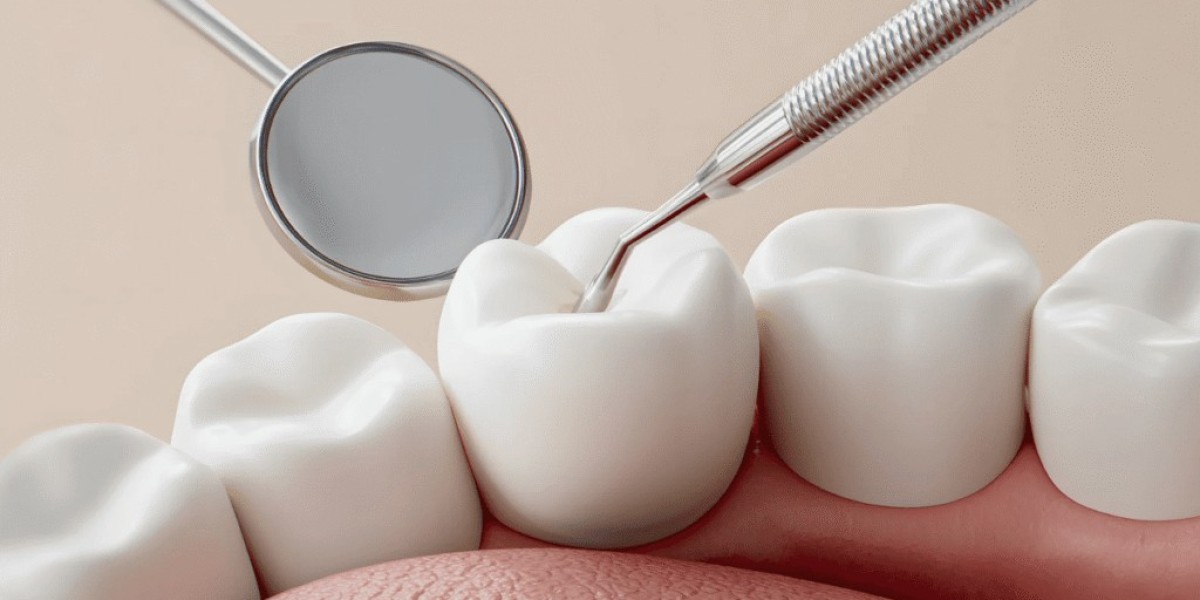

Living with sensitive teeth can make something as simple as enjoying a cold drink or a warm meal an uncomfortable experience. When a cavity or damage requires a filling, the thought of added sensitivity can feel overwhelming. The good news is that modern dentistry offers several excellent options designed with patient comfort in mind. Understanding the different types of filling materials and how they interact with sensitive teeth is the first step toward making a choice that supports long-term oral health and daily comfort.
Understanding Tooth Sensitivity and Fillings
Tooth sensitivity Dental Tooth Filling in Dubai, often stems from the inner layer of the tooth, called dentin, becoming exposed. This layer contains tiny tubules that lead directly to the nerve. When a tooth is prepared for a filling, the dentist removes decay, which can temporarily irritate the nerve. The goal of a good filling is to seal the tooth perfectly, protecting that inner layer from temperature changes, air, and acidic foods. The right material acts as a barrier, reducing or eliminating the transmission of sensations to the nerve.
Common Filling Materials for Sensitive Teeth
Several materials are commonly used for fillings, and each interacts with tooth structure in a unique way. For someone with a history of sensitivity, some materials are generally more suitable than others.
Composite Resin Fillings
Composite resin is a very popular choice for fillings, prized for its natural appearance. This material is a mixture of plastic and fine glass particles that can be closely matched to the color of natural teeth. For individuals with sensitive teeth, composite resin offers the advantage of bonding directly to the tooth structure. This strong bond creates an excellent seal, which helps prevent fluids and bacteria from seeping in around the edges of the filling, a common cause of post-treatment sensitivity. Because it requires less removal of healthy tooth structure compared to some other materials, it can be a conservative and comfortable option.
Glass Ionomer Fillings
Glass ionomer is a unique material that offers specific benefits for sensitive teeth. It is made from a combination of acrylic and a specific type of glass that contains fluoride. One of the most significant advantages of glass ionomer is its ability to release fluoride over time. This fluoride helps protect the tooth from further decay and can even help remineralize the tooth structure around the filling.
Amalgam Fillings
Amalgam, often called silver fillings, has been used for over a century. It is a durable and long-lasting material made from a combination of metals. However, from a sensitivity standpoint, amalgam may not always be the first choice. This material can conduct temperature changes more readily than other types of fillings, which might lead to increased sensitivity to hot and cold substances.
How the Right Filling Material Helps
The connection between the filling material and the natural tooth is critical for managing sensitivity. A well-placed filling should function as a seamless part of the tooth.
Thermal Insulation Properties
Some filling materials naturally provide better insulation than others. Materials that are poor conductors of temperature help prevent the shock of a hot or cold substance from reaching the nerve. Composite resins and glass ionomers generally offer better thermal insulation compared to metal-based fillings.
Creating a Protective Barrier
Perhaps the most important function of any filling is to create a tight, impermeable seal. When this seal is compromised, bacteria and fluids can make their way down between the filling and the tooth, irritating the nerve and causing pain. Materials that bond directly to the tooth, like composite resin and glass ionomer, are excellent at creating this protective barrier. This prevents micro-leakage, which is a primary culprit behind persistent sensitivity after a filling procedure.
Factors to Discuss for Personalized Comfort
Choosing the best filling is not a one-size-fits-all decision. Several personal factors play a role in determining which material will provide the greatest comfort and longevity.
Location of the Filling
The position of the cavity in the mouth is a major consideration. For small to medium-sized cavities in areas that are not subject to heavy chewing forces, such as the front teeth or the smooth surfaces of back teeth, composite resin is often an excellent choice. For cavities that are deep and close to the nerve, a material like glass ionomer might be considered for its fluoride-releasing and soothing properties.
Size and Depth of the Cavity
A shallow cavity close to the enamel surface is generally easier to fill with minimal post-operative sensitivity, regardless of the material used. However, when decay is deep and the filling must be placed very close to the nerve, the choice of material becomes more critical. In these situations, materials that provide a good seal and offer some pulpal protection are highly beneficial. The dentist will carefully assess the depth of the cavity to recommend the most appropriate material.
Frequently Asked Questions
Will a new filling definitely stop my tooth sensitivity?
A well-placed filling is designed to stop sensitivity caused by the cavity itself by removing the decay and sealing the tooth. However, some temporary sensitivity immediately after the procedure is common as the tooth heals and the nerve calms down. This typically subsides within a few days to a couple of weeks. If the filling is placed correctly with a good seal, it should significantly reduce or eliminate the original sensitivity.
Is one filling material less likely to cause temperature sensitivity?
Generally, materials that are not metal, such as composite resin and glass ionomer, are better insulators and less likely to transmit temperature changes to the nerve. This can make them a more comfortable choice for individuals who are prone to temperature sensitivity. These materials help buffer the tooth from extreme hot and cold.
What makes a filling good for a deep cavity?
For a deep cavity, the primary goal is to protect the nerve. A material that can bond securely to the tooth to prevent any leakage is essential. Additionally, a material with soothing properties or one that releases fluoride to help strengthen the remaining tooth structure can be highly beneficial. The focus is on creating a stable, protective environment for the nerve to heal.
How can someone ensure the filling provides a good seal?
The skill and technique used in placing the filling are just as important as the material itself. Meticulous attention to keeping the area dry and clean during the procedure is crucial for achieving a strong bond. The use of modern adhesive systems also enhances the seal.
Can a person be allergic to filling materials?
While rare, it is possible for individuals to have sensitivities or allergic reactions to certain metals used in amalgam or to the components in composite resins. If there is a known history of allergies to metals or specific dental materials, it is vital to discuss this beforehand. Enfield Royal Clinic Dubai in such cases, alternative materials can be selected to ensure the filling is both comfortable and biocompatible.