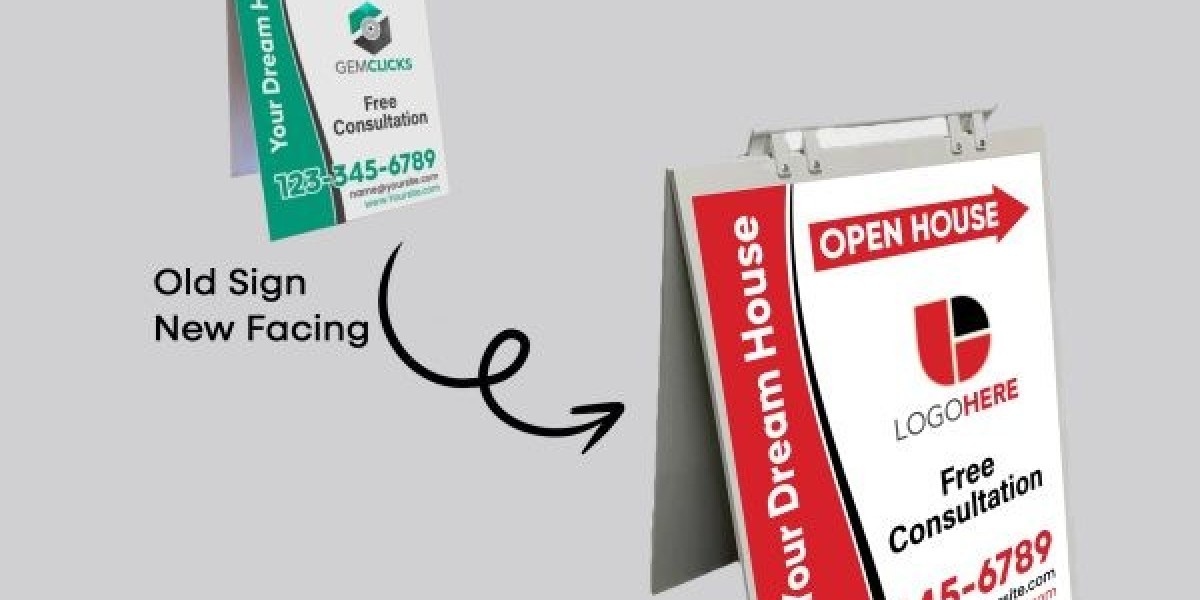

In the competitive world of real estate and business marketing, signage plays a crucial role in capturing attention and driving engagement. Among the most recognizable tools in property marketing is the open house sign, while in the broader signage industry, the practice of refacing old signs has become an increasingly popular and cost-effective solution for businesses looking to refresh their image. Together, these two concepts represent both the promotional and preservation sides of visual communication.
This article explores the purpose, design, benefits, and evolving trends surrounding open house signs and the refacing of old signage.
Open House Signs: Inviting Opportunity
What Is an Open House Sign?
An open house sign is a temporary marketing tool used primarily in real estate to announce that a property is open for public viewing. Typically displayed on lawns, sidewalks, intersections, and nearby high-traffic areas, these signs guide potential buyers to a property during a scheduled open house event.
While online listings dominate modern property searches, physical signage remains one of the most effective ways to attract local buyers who may not be actively browsing digital platforms.
The Purpose of Open House Signs
Open house signs serve multiple strategic functions:
Attracting Walk-In Traffic
Many buyers discover properties by driving through neighborhoods. A well-placed sign encourages spontaneous visits.Directional Guidance
Arrow signs placed at key intersections help visitors easily locate the property without confusion.Building Brand Awareness
Real estate agents often include their name, logo, and contact information, reinforcing their presence in the community.Creating a Sense of Activity
Visible signage suggests interest and momentum, which can increase perceived property value.
Design Principles for Effective Open House Signs
An effective open house sign must balance simplicity with visibility. Important design elements include:
Bold, Readable Fonts – The phrase “Open House” should be large and easily visible from a distance.
High-Contrast Colors – Combinations such as black and yellow, red and white, or blue and white increase visibility.
Directional Arrows – Clear arrows prevent confusion and guide traffic flow.
Weather-Resistant Materials – Corrugated plastic, metal frames, or waterproof coatings ensure durability.
Portable Structure – Lightweight A-frames or stake signs allow quick installation and removal.
Simplicity is key. Too much information can distract from the main message.
Strategic Placement of Open House Signs
Placement often determines success. Effective strategies include:
Positioning signs at busy intersections near the property.
Placing signs along major access roads.
Ensuring visibility from both pedestrian and vehicle viewpoints.
Avoiding obstructions such as trees, parked cars, or utility poles.
Local regulations may also govern where signs can be placed, so compliance is essential.
The Continued Relevance of Open House Signs in the Digital Age
With online platforms such as Zillow and Realtor.com dominating property searches, one might assume physical open house signs are less important. However, research and industry practice show otherwise.
Physical signs:
Capture local buyers actively exploring neighborhoods.
Reach individuals who may not be browsing online listings.
Reinforce digital marketing efforts.
Create immediate awareness in real time.
In fact, combining digital promotion with strong physical signage often yields the best results.
Refacing Old Signs: A Cost-Effective Refresh
What Does Refacing a Sign Mean?
Refacing old signs involves updating the visible surface of an existing sign structure while keeping the underlying framework intact. Rather than replacing the entire sign, businesses remove or cover outdated graphics and install new panels, vinyl overlays, or updated branding elements.
This approach is widely used by retail stores, restaurants, offices, and property managers looking to modernize their image without the high cost of full replacement.
Why Refacing Is Popular
Cost Savings
The structural components of large signs—such as poles, frames, and electrical systems—can be expensive. Refacing reduces material and labor costs.Faster Turnaround
Updating a sign face is generally quicker than manufacturing and installing a completely new structure.Environmental Benefits
Reusing existing materials reduces waste and supports sustainable practices.Brand Updates
When a company rebrands or changes its logo, refacing allows for seamless updates.
When Should a Sign Be Refaced?
Refacing is ideal when:
The structure remains stable and compliant with regulations.
Only branding, color schemes, or messaging need updating.
Graphics have faded due to weather exposure.
Ownership or tenancy changes occur within the same building.
However, if structural damage or major design flaws exist, full replacement may be necessary.
The Process of Refacing Old Signs
Refacing typically follows these steps:
Inspection and Assessment
Professionals evaluate structural integrity, lighting systems, and mounting hardware.Design Update
New graphics are designed to reflect updated branding or messaging.Removal of Old Face
The outdated panel or vinyl layer is carefully removed.Installation of New Face
New materials—acrylic panels, aluminum composite boards, or vinyl wraps—are applied.Testing and Final Inspection
Lighting and stability are checked before completion.
The result is a refreshed appearance that looks brand new at a fraction of the cost.
Benefits of Refacing Compared to Replacement
| Aspect | Refacing Old Signs | Full Replacement |
|---|---|---|
| Cost | Lower | Higher |
| Time | Faster | Slower |
| Environmental Impact | Reduced waste | More material use |
| Structural Changes | Minimal | Often required |
| Permitting | Sometimes simpler | May require new approvals |
For businesses operating on tight budgets or tight timelines, refacing offers a practical alternative.
Design Trends in Modern Sign Refacing
Today’s sign updates often include:
LED Lighting Upgrades – Replacing fluorescent bulbs with energy-efficient LEDs.
Minimalist Design – Cleaner typography and simplified logos.
Reflective and Backlit Features – Improved nighttime visibility.
Matte and Textured Finishes – Contemporary visual appeal.
Smart Integration – Digital display panels for dynamic content.
By combining updated materials and modern design, refaced signs can look as impressive as entirely new installations.
Connecting Open House Signs and Refacing Old Signs
Although open house signs and refacing old signs serve different purposes, they share common themes:
Visibility Drives Action – Whether inviting buyers to tour a property or attracting customers to a storefront, signage influences behavior.
Brand Perception Matters – Clean, professional signs build trust.
Cost Efficiency Is Valuable – Both temporary open house signs and refaced permanent signs offer affordable marketing solutions.
Strategic Placement Is Critical – Location affects effectiveness in both cases.
For real estate professionals, maintaining polished signage—including open house boards and office storefront signs—reinforces credibility and professionalism.
Common Mistakes to Avoid
With Open House Signs:
Using small, unreadable fonts.
Failing to include directional arrows.
Placing signs in prohibited areas.
Leaving signs up after the event.
With Refacing Old Signs:
Ignoring structural issues.
Choosing low-quality materials.
Inconsistent branding during updates.
Overcrowded or outdated design styles.
Avoiding these pitfalls ensures signage continues to serve its purpose effectively.
Conclusion
Open house signs and the refacing of old signs represent two important aspects of visual marketing—promotion and preservation. Open house signs generate immediate attention, guide potential buyers, and enhance real estate marketing strategies. Meanwhile, refacing old signs allows businesses to modernize their image affordably and sustainably.
In both cases, thoughtful design, strategic placement, and professional execution make the difference between being noticed and being overlooked. Whether inviting visitors into a home or refreshing a storefront’s appearance, effective signage remains one of the most powerful tools in communication and commerce.