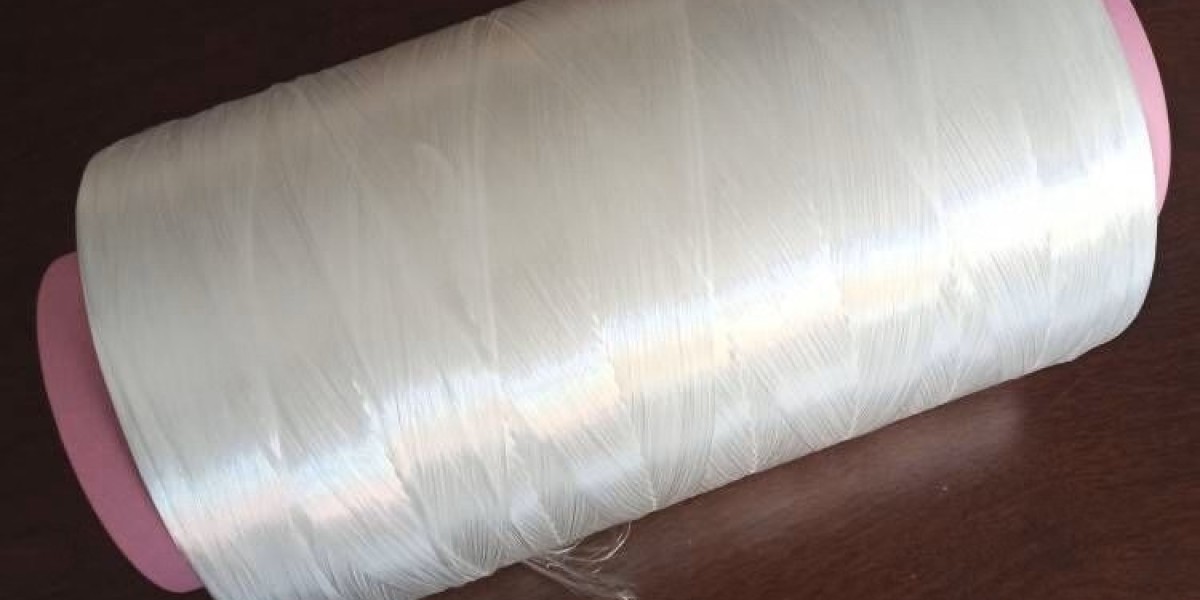

Competition in advanced materials is driven by performance, reliability, and the ability to meet highly specific application requirements. Ultra high molecular weight polyethylene fiber occupies a strong position in this landscape because it delivers exceptional strength at a fraction of the weight of traditional materials. Its use in protective equipment, industrial ropes, medical devices, and high-performance composites highlights how critical this material has become in multiple sectors.
According to a recent report by Market Research Future, the Ultra High Molecular Weight Polyethylene Fiber Market is shaped by a mix of technological innovation, end-use demand, and regulatory standards. Different grades of the fiber are designed to meet specific needs, from ballistic resistance to high fatigue endurance, which creates a competitive environment focused on specialization and performance consistency.
Analyzing Ultra High Molecular Weight Polyethylene Fiber Market Share helps explain how suppliers position themselves within this space. Market share is influenced not only by production capacity but also by the ability to offer reliable quality, application support, and compliance with strict safety and performance standards. Companies that invest in research and advanced manufacturing techniques often gain an advantage by delivering more consistent and higher-performing products.
Innovation plays a central role in shaping competitive positions. Improvements in fiber spinning, surface treatment, and composite integration allow manufacturers to enhance performance characteristics such as impact resistance, abrasion resistance, and long-term durability. These advancements can shift customer preferences, particularly in high-value segments like defense and aerospace, where performance margins are critical.
Customer relationships and technical support are also important factors. Many end users require guidance on material selection, processing methods, and product design optimization. Suppliers that provide strong technical assistance can build long-term partnerships, which in turn helps stabilize and grow their market presence.
Regional dynamics further influence competitive distribution. Differences in industrial focus, regulatory environments, and defense spending patterns affect where demand is strongest and how suppliers allocate resources. Companies that adapt their strategies to local market conditions are often better positioned to expand their footprint.
Overall, the distribution of market share reflects a balance between innovation, quality assurance, and customer engagement. As application requirements become more demanding, competition is likely to remain focused on delivering higher value through performance, reliability, and specialized solutions.