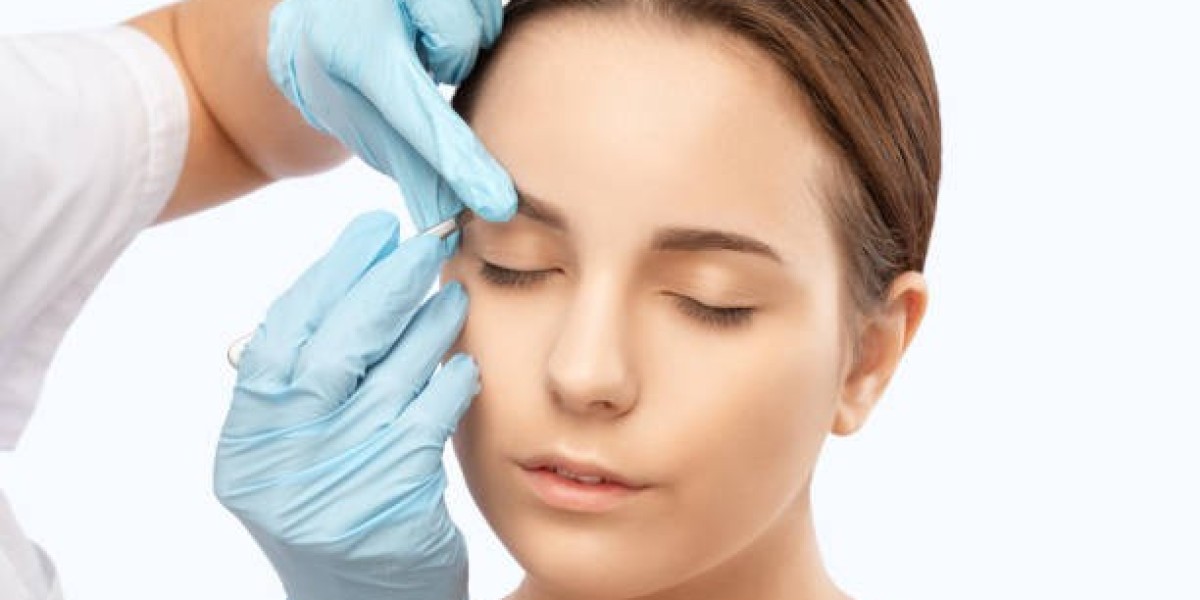

The eyebrows are the most defining feature of the upper face, providing the architectural frame for the eyes and communicating a vast range of human emotions. For many individuals, thinning or patchy brows—whether caused by over-plucking, genetics, or medical conditions—create a deep sense of self-consciousness. Choosing an eyebrow hair transplant in Dubai is often a decision to reclaim facial symmetry through permanent, biological restoration.
In clinical settings, we observe that patients are less interested in "perfect" brows and more concerned with "natural" brows. They worry about the hair growing in the wrong direction or the procedure being painful. This guide moves beyond the aesthetic highlights to provide a transparent, medically grounded look at the follicular extraction and placement process.
The Architecture of a Natural Brow Design
An eyebrow transplant is not a standard hair restoration; it is a high-precision architectural task. Unlike the scalp, where hair grows in relatively uniform directions, the eyebrow has three distinct zones: the "head" (near the nose), the "body" (the arch), and the "tail."
How do practitioners ensure a natural appearance?
To avoid an artificial look, surgeons follow specific clinical protocols during the implantation phase:
Macro and Micro-Irregularity: Creating a "zigzag" pattern rather than a straight row to mimic nature.
Ultra-Low Angulation: Placing grafts at a 10 to 15-degree angle to ensure they lay flat against the skin rather than pointing outward.
Single-Hair Graft Selection: Using only the finest single-hair units for the very first row of the brow to ensure a soft, feathered transition.
Is Eyebrow Hair Transplant Painful?
What are the actual sensations during the procedure?
The procedure is performed under local anesthesia, meaning the area is entirely numb. While the initial administration of the anesthetic involves a few sharp "pinches" or "stings," the rest of the 3-to-4-hour session is typically described as "tedious" rather than painful.
Step-by-Step Patient Sensations:
The Numbing Phase: You will feel 3 to 5 quick injections around the brow and the donor site (usually the back of the head).
During Extraction: A rhythmic, vibratory sensation at the back of the head as individual follicles are harvested.
During Placement: A light "tapping" or "pressing" sensation on the brow bone. Most patients report that the most difficult part is simply keeping their eyes closed and head still for a prolonged period.
"I was braced for intense pain since it’s so close to the eyes, but it was really just the initial injections that made me wince. After that, I actually fell asleep for an hour while they were placing the grafts." — Faisal
Who Should Reconsider Getting an Eyebrow Transplant?
Are there medical reasons to avoid this treatment?
While eyebrow transplantation is minimally invasive, it remains a surgical procedure. In clinical settings, we observe that certain conditions may compromise the safety of the patient or the viability of the grafts. You should delay or avoid treatment if you have:
Alopecia Areata: If your eyebrow loss is caused by an active autoimmune condition, the body may attack the new grafts just as it did the original hair.
Uncontrolled Scarring Disorders: Individuals prone to keloid scarring must proceed with extreme caution, as the micro-incisions can trigger raised scars.
Trichotillomania: If the hair loss is due to an active, compulsive pulling habit, surgery should be delayed until the behavior is managed to protect the new grafts.
Blood-Clotting Issues: Patients on heavy anticoagulants require specialized clearance, as excessive bleeding can "push" grafts out of their channels.
FUE vs. DHI: Comparing Recovery and Precision
| Feature | FUE for Eyebrows | DHI (Direct Hair Implantation) |
| Implantation Method | Forceps placed into pre-made channels | Specialized "Choi Pen" implanter |
| Graft Handling | Moderate (Stored in solution longer) | Minimal (Directly implanted) |
| Scalp Trauma | Slightly higher due to channel opening | Lower (No pre-made incisions) |
| Recovery Time | 7–10 days for scabs to clear | 5–7 days for scabs to clear |
| Best For | Lower graft counts | Maximum precision and angulation |
What Does a Realistic Recovery Timeline Look Like?
How long until I look "normal" again?
The recovery from an eyebrow transplant is front-loaded. Most of the visible trauma—such as scabbing and minor swelling—occurs in the first week, followed by a "quiet" phase where the grafts go dormant before they begin to grow.
The Step-by-Step Healing Process
Days 1–3 (The Peak Phase): You will see small, dark scabs around each graft. Swelling is common and may migrate down toward the eyelids by Day 3.
Days 4–7 (The Secure Phase): The scabs begin to dry and feel "crusty." The grafts are becoming more securely anchored. You can usually return to light office work at this stage.
Days 10–14 (The Shedding Phase): Most scabs fall off naturally during washing. Surprisingly, the transplanted hair shafts often fall out now too. This "shock loss" is normal; the living root remains safely under the skin.
Months 3–4 (The "Sprouting" Phase): New, fine hairs begin to emerge. They may initially look thin or curly, but they will thicken and straighten over time.
"The hardest part wasn't the surgery—it was the two weeks of looking at the scabs and wondering if I’d made a mistake. Then they fell off, the hair grew back, and now I don't even think about it." — Sarah
Frequently Asked Questions
Can I wear makeup after my eyebrow transplant?
You must avoid applying any makeup, creams, or sunscreen directly to the eyebrow area for at least 14 days. Introducing foreign substances or bacteria during the initial healing phase can lead to infection or graft failure.
Do I have to trim the new eyebrow hair?
Yes. Because the hair is harvested from the scalp, it retains the growth cycle of scalp hair. You will need to trim your new eyebrows approximately once every 7 to 10 days to maintain the desired length.
Is the transplanted hair truly permanent?
Yes, because the follicles are taken from a "safe" donor zone at the back of the head, they are genetically programmed to resist the factors that cause typical hair loss. The results are considered permanent for the lifetime of the patient.
When can I wash my face normally?
For the first 5 days, you should only gently mist the eyebrows with a saline spray. Around Day 7, you can begin a "pour wash" with baby shampoo, but direct shower pressure should be avoided for 14 days.
Will the donor area at the back of my head be visible?
No. We only harvest a very small number of grafts (usually 200–500) for eyebrows. The micro-extractions are scattered and easily hidden by your surrounding hair, even if it is relatively short.
Why Choose Tajmeels Clinic?
At Tajmeels Clinic, our approach to an eyebrow hair transplant in Dubai is built on the intersection of clinical expertise and aesthetic artistry. We recognize that a successful transplant isn't just about the number of grafts; it’s about the angle, direction, and density that mimics your natural growth pattern. Our specialists use advanced diagnostic tools to map your facial symmetry and provide a transparent, honest assessment of what can be achieved, ensuring your results are as durable as they are natural-looking.