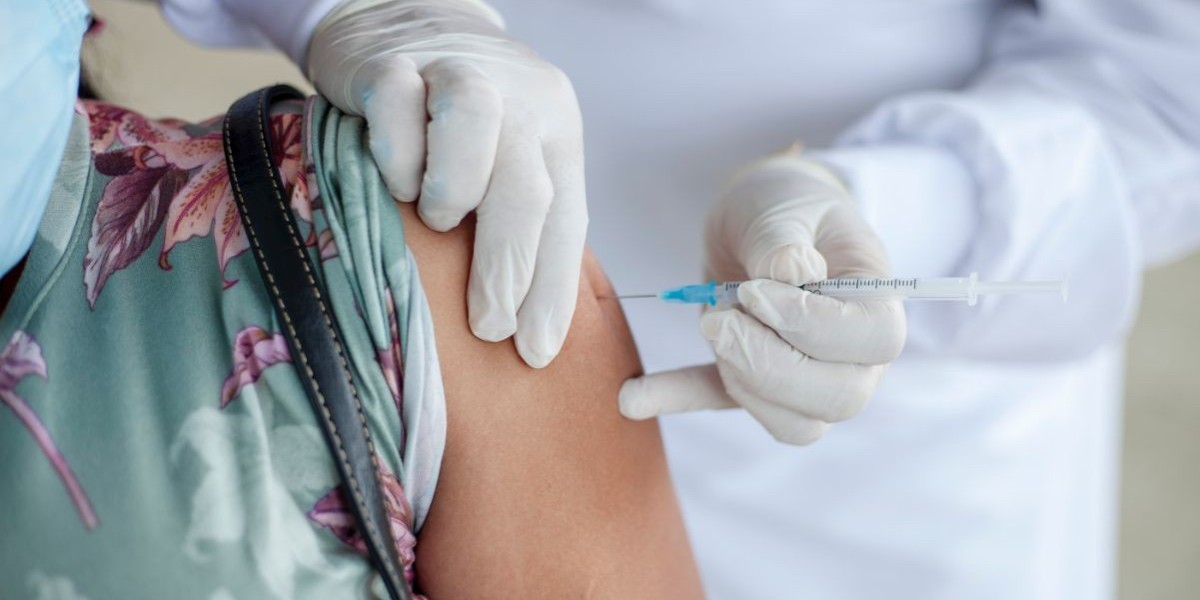

Preventive healthcare is increasingly adapting to modern lifestyles, offering flexible options that cater to busy schedules and personal preferences. One such option is the HPV Vaccine at Home, which provides professional vaccination services without requiring a clinic visit. While traditional clinic appointments have long been the standard for immunization, at-home services offer a convenient alternative. Understanding the differences, advantages, and limitations of each approach can help individuals and families make informed decisions about their HPV prevention strategy.
Convenience and Scheduling Flexibility:
One of the most significant differences between home-based and clinic vaccinations is convenience. Home services allow patients to receive the HPV vaccine without disrupting their daily routines. Key advantages include:
Flexible appointment times, including evenings and weekends
No need for travel or waiting in crowded clinics
Coordinated appointments for multiple family members in a single visit
Clinic visits, while reliable, often require scheduling around office hours, travel time, and waiting periods, which can be challenging for busy individuals.
Comfort and Familiar Environment:
Patient comfort can impact the vaccination experience, especially for adolescents and individuals with anxiety about medical settings. Home vaccination provides:
A familiar, private environment
Reduced stress compared to clinic waiting rooms
Personalized attention and the presence of family for support
In clinics, while professional care is available, the environment can sometimes be intimidating, especially for first-time vaccine recipients or younger patients.
Professional Oversight and Safety Standards:
Safety is critical regardless of where the HPV vaccine is administered. Both home and clinic settings follow strict medical protocols, including:
Administration by licensed healthcare professionals
Proper vaccine storage and handling
Observation for immediate reactions post-vaccination
Home-based services ensure that professional oversight mirrors the quality of clinic standards, providing reassurance for patients seeking convenient care.
Medical Screening and Eligibility:
Before receiving the HPV vaccine, screening for health conditions, allergies, and previous vaccination history is necessary. Both home and clinic providers perform these assessments:
Reviewing age-appropriate vaccination recommendations
Checking for contraindications or potential adverse reactions
Confirming follow-up requirements for multi-dose series
Home vaccination allows these screenings to occur in a private setting, with one-on-one discussion, while clinics may handle multiple patients simultaneously.
Completing Multi-Dose Vaccination Series:
The HPV vaccine often requires two or three doses to achieve full protection. Home-based vaccination can make adherence easier by:
Coordinating follow-up appointments at convenient times
Sending reminders to ensure timely completion
Reducing missed doses due to travel or scheduling conflicts
Clinics also offer multi-dose scheduling, but patients may face logistical challenges in returning for subsequent visits.
Accessibility for Diverse Populations:
Home vaccination expands access to individuals who may face barriers to traditional clinic visits, including:
People with mobility limitations or disabilities
Residents in remote or underserved areas
Busy families balancing work, school, and other commitments
Clinic-based vaccination remains essential for comprehensive care but may be less accessible for those with geographic or scheduling challenges.
Cost Considerations:
Cost is an important factor when choosing between home vaccination and clinic visits. Considerations include:
Clinic visits may be covered by insurance but could include co-pays or travel expenses
Home services may have a convenience fee but save time, travel, and childcare costs
Both options ensure vaccine safety and effectiveness, making the investment worthwhile for long-term health
Evaluating overall cost, including indirect expenses, helps individuals decide which option fits their lifestyle and budget.
Patient Education and Personalized Guidance:
Home-based services provide an opportunity for personalized education about the HPV vaccine, including:
Benefits and risks of the vaccine
Possible side effects and aftercare instructions
Timing for follow-up doses and boosters
Clinics also provide this information, but home visits allow for one-on-one discussion in a relaxed environment, which can enhance understanding and adherence.
Minimizing Exposure to Public Spaces:
At-home vaccination reduces exposure to crowded public spaces, which is particularly relevant during flu season or in times of widespread illness. Benefits include:
Lower risk of infection from other illnesses while receiving care
Maintaining social distancing without compromising preventive health
Convenience for those who prefer to avoid busy medical facilities
Clinic visits, while controlled and sanitized, still require interaction with other patients in waiting rooms.
Technology Integration and Record-Keeping:
Both home and clinic vaccinations rely on accurate record-keeping and digital tools for monitoring. Home services often utilize technology to:
Schedule appointments and reminders efficiently
Track vaccine lot numbers and patient history
Offer telehealth consultations for pre- and post-vaccination questions
Clinics also maintain electronic health records, but at-home services combine convenience with digital support for personalized care.
Supporting Public Health Goals:
Increasing access to HPV vaccination through both home and clinic options contributes to broader public health objectives:
Higher vaccination rates reduce HPV transmission
Preventing HPV-related cancers improves long-term community health
Offering flexible options encourages participation in preventive care
Both settings play a complementary role in achieving widespread immunization coverage.
Final Thoughts:
Choosing between HPV Vaccine at Home and clinic visits depends on individual needs, lifestyle, and preferences. Home-based vaccination offers convenience, comfort, and accessibility while maintaining professional oversight and safety standards. Clinic visits provide a structured environment and comprehensive care for patients who prefer traditional healthcare settings. Ultimately, both options ensure effective protection against HPV, allowing individuals and families to select the approach that best fits their circumstances and supports long-term preventive health.