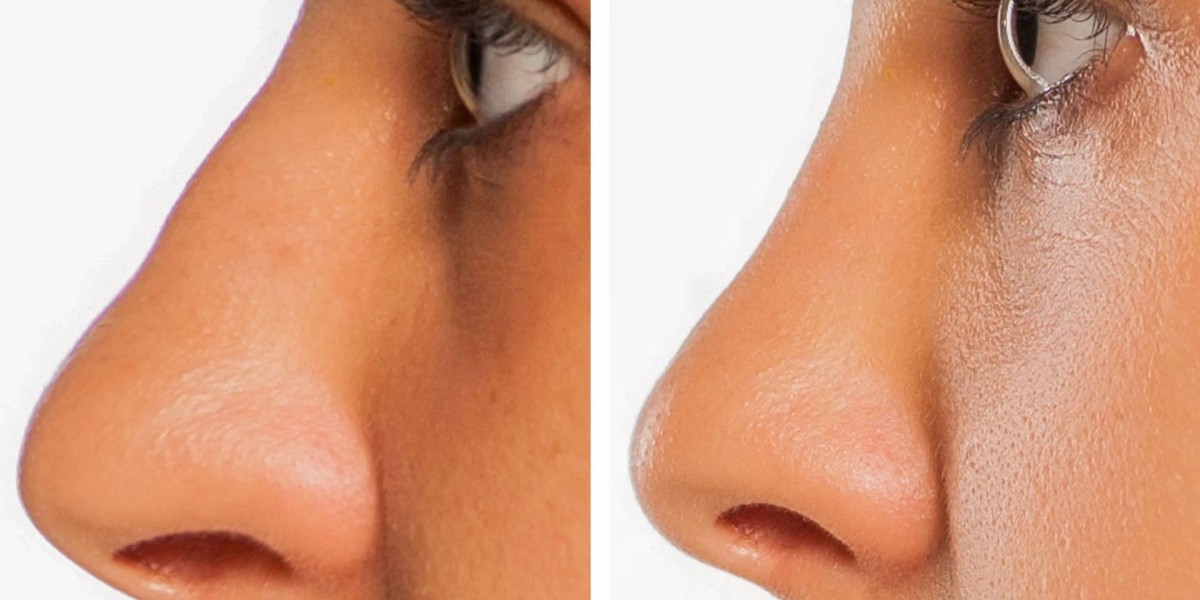

What is Rhinoplasty?
Rhinoplasty is a surgical procedure that reshapes or reconstructs the nose. It can address cosmetic concerns such as a crooked nose, a bulbous tip, or nasal asymmetry. Additionally, it can improve breathing issues caused by structural problems. People searching for rhinoplasty Riyadh often look for a combination of aesthetic and functional outcomes.
Key points:
Enhances facial symmetry.
Corrects breathing difficulties.
Can be performed for cosmetic or medical reasons.
Types of Rhinoplasty
There are different types of rhinoplasty surgery in Riyadh, depending on the patient’s needs:
Open Rhinoplasty
This involves a small incision across the columella (the tissue between the nostrils) to allow the surgeon better access to the nasal structures.
Closed Rhinoplasty
All incisions are made inside the nose, leaving no visible scars. This method is suitable for minor reshaping.
Revision Rhinoplasty
Also known as secondary rhinoplasty, this procedure corrects issues from previous surgeries.
Key points:
Open: better visibility, ideal for complex cases.
Closed: minimal scarring, quicker recovery.
Revision: fixes previous surgery outcomes.
How Rhinoplasty Surgery Works
During nose plastic surgery cost in Saudi Arabia, the surgeon reshapes cartilage, bone, and skin to achieve the desired outcome. The procedure is performed under general anesthesia and typically takes 2–4 hours. After surgery, patients may experience swelling and bruising, which usually subsides within a few weeks.
Key points:
Surgery involves bone, cartilage, and skin modification.
Performed under general anesthesia.
Recovery period includes temporary swelling and bruising.
Who is a Candidate for Rhinoplasty?
Ideal candidates for nose surgery in Saudi Arabia are individuals with:
Dissatisfaction with nasal appearance.
Breathing difficulties due to structural issues.
Stable overall health and realistic expectations.
Age is also a factor; surgeons typically recommend waiting until facial growth is complete, usually around 16–18 years.
Key points:
Both aesthetic and functional concerns qualify.
Realistic expectations are crucial.
Age and overall health are considered.
Risks and Complications
While rhinoplasty Riyadh price can vary, it’s important to be aware of potential risks:
Infection
Bleeding
Scarring
Difficulty breathing
Unsatisfactory cosmetic results
Choosing an experienced surgeon can significantly reduce these risks.
Key points:
Surgical risks are generally low with qualified surgeons.
Complications may include infection, bleeding, or breathing issues.
Selecting a reputable surgeon is essential.
Recovery and Aftercare
After a nose job in Riyadh, proper care is vital for optimal results. Patients should:
Avoid strenuous activities for at least 4–6 weeks.
Keep the head elevated to reduce swelling.
Follow prescribed medications and wound care routines.
Most swelling and bruising resolve within two weeks, but subtle changes may take several months to fully appear.
Key points:
Rest and elevation reduce swelling.
Avoiding physical strain speeds recovery.
Full results may take several months to appear.
Choosing the Best Rhinoplasty Surgeon
Finding the best rhinoplasty surgeon in Saudi Arabia or specifically the best rhinoplasty surgeon in Riyadh is critical for achieving natural-looking results. Look for:
Board-certified plastic surgeons.
Extensive experience in cosmetic and functional rhinoplasty.
A portfolio of before-and-after results.
Consultations help assess a surgeon’s approach and compatibility with your aesthetic goals.
Key points:
Certification and experience matter.
Reviewing past results builds confidence.
Consultations are essential for planning.
Cost Considerations
The nose surgery in Saudi Arabia price can vary depending on the complexity of the procedure, surgeon expertise, and facility standards. While it’s important to consider costs, prioritizing quality and safety is crucial. Investing in a skilled surgeon ensures a higher likelihood of successful results.
Key points:
Costs vary by complexity and surgeon experience.
Quality and safety should be the priority.
Choosing the right surgeon impacts long-term satisfaction.
Setting Realistic Expectations
Rhinoplasty in Riyadh can transform your appearance, but understanding limitations is key. Factors like skin thickness, facial structure, and healing response affect results. Open communication with your surgeon helps establish achievable goals and ensures satisfaction.
Key points:
Results depend on anatomy and healing.
Unrealistic expectations can lead to dissatisfaction.
Discuss goals clearly with your surgeon.
Benefits of Rhinoplasty
Rhinoplasty offers both aesthetic and functional advantages:
Improved facial harmony.
Enhanced self-confidence.
Corrected breathing problems.
Most patients report significant improvements in self-esteem and daily comfort post-surgery.
Key points:
Boosts appearance and confidence.
Can resolve nasal obstructions.
Provides lasting results with proper care.










