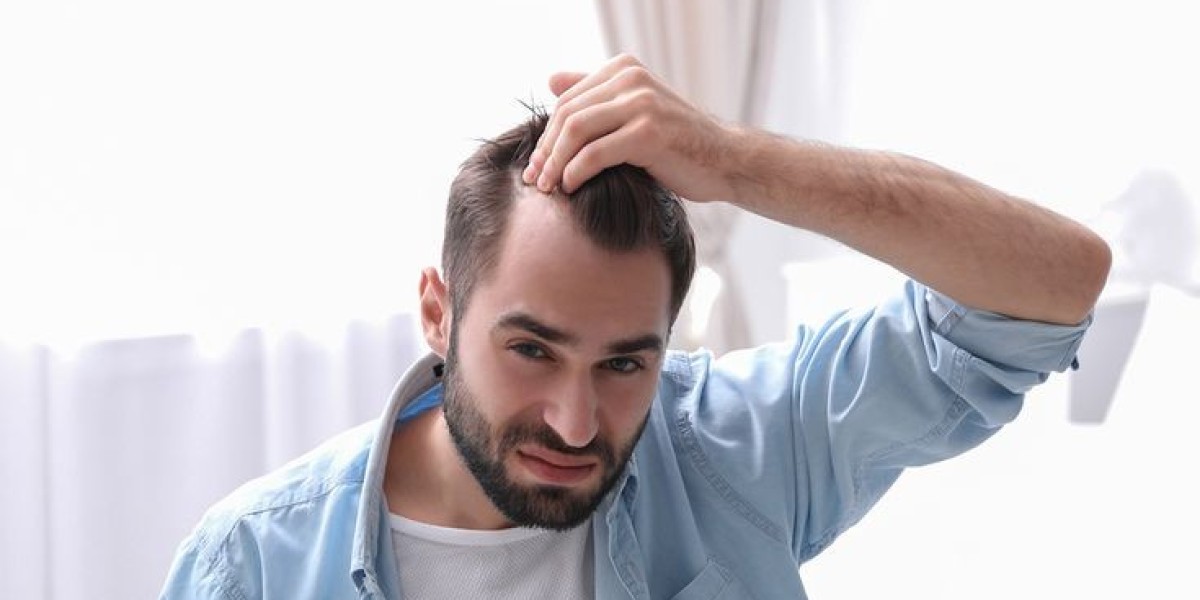
Hair loss can be a deeply emotional experience — affecting self-esteem, confidence, and how you carry yourself in daily life. With so many treatments on the market, one name that consistently rises to the top is the FUE Hair Transplant in Riyadh. But is this treatment truly worth it? In this comprehensive, engaging, and informative article, we dive into everything you need to know: from how the procedure works and who is an ideal candidate, to recovery expectations, real results, and whether it delivers value for your time and investment.
Whether you’re exploring hair restoration options for the first time or you’ve done some research already, this blog will help you make an informed decision with confidence.
What Is FUE Hair Transplant?
Understanding the Basics
A Follicular Unit Extraction (FUE) hair transplant is a minimally invasive surgical process where individual hair follicles are removed from a donor area (usually the back of the head) and transplanted into areas experiencing thinning or balding.
Unlike older techniques (like FUT), FUE doesn’t require large incisions or stitches. Instead, it uses tiny punches — often less than 1 mm in size — making the whole procedure less painful and leaving minimal scarring.
How Does FUE Hair Transplant Work?
Step-by-Step Process
Consultation and Planning
Before anything else, your surgeon assesses your hair loss pattern, scalp health, and donor hair quality. Customized planning ensures natural, symmetrical growth after transplant.Donor Hair Extraction
Individual follicles are gently extracted from the donor area using micro-punch tools. This preserves the surrounding tissue — a huge advantage in healing and appearance.Recipient Site Preparation
Tiny, precise channels are created in the area where hair will be implanted. This step determines hair direction, angle, and density for a natural result.Transplantation of Follicles
Harvested follicles are carefully placed into their new locations. Skilled surgeons distribute them to achieve natural-looking density and growth patterns.Healing and Growth Phase
Over time — usually around 6 to 12 months — the transplanted hair begins to grow like natural hair. Most patients see noticeable improvements as the months go by.
Who Is an Ideal Candidate?
Key Factors That Determine Suitability
Not everyone with hair loss is the perfect candidate for FUE, and that’s okay — understanding your suitability helps you set realistic expectations.
Age Matters
While there’s no strict age limit, most candidates are in their 20s to 50s, when hair loss patterns have stabilized.Hair Loss Type
Those with male or female pattern baldness often benefit the most — especially in the front and crown areas.Donor Hair Quality
Successful outcomes depend largely on having strong, healthy hair in the donor region.Overall Health
Good general health speeds up recovery and reduces post-procedure risks.
If you’re unsure about your eligibility, a consultation with a specialist can help you understand what to expect.
Is FUE Hair Transplant Painful?
What Patients Usually Experience
One of the biggest concerns for anyone considering the procedure is pain. The good news? Most patients report minimal discomfort.
Local Anesthesia is used throughout the procedure, meaning you won’t feel pain during extraction or placement.
Some tenderness, itching, or mild soreness may occur during the first few days — but over-the-counter pain relievers and proper aftercare usually help.
Compared to older methods, FUE is generally more comfortable with faster recovery and fewer complications.
Benefits You Can Expect
Why Many Choose This Treatment
People don’t pursue hair transplants just for aesthetics — they want long-lasting confidence and natural results. Here’s what many patients experience:
Scar-Free Results
Tiny extraction points heal quickly, leaving little to no visible marks — a huge advantage over traditional methods.Natural Hair Growth
Because individual follicles are placed precisely, the hair grows in natural patterns that are hard to distinguish from your original hair.Permanent Improvement
Transplanted hair is resistant to typical hair loss progression, meaning results are long-term with proper care.Boosted Confidence & Self-Esteem
Many patients describe a transformative emotional impact after seeing gradual improvements.
What to Expect During Recovery
Timeline & Tips for Optimal Healing
Recovering from an FUE hair transplant is usually straightforward, but knowing what to expect can ease nerves:
First 48 Hours
Mild swelling, redness, and tiny scabs at the transplant sites are common. Avoid touching or scratching.Days 3–7
Scabs typically fall off naturally. Hair shedding in transplanted areas may occur — this is normal and not a sign of failure.Weeks 2–4
Most side effects diminish. You’ll notice the scalp settling, though noticeable hair growth hasn’t started yet.Months 3–6
Growth begins gradually. Hairs may appear thin at first but will thicken over time.Months 9–12
Significant growth and density improvement — many patients see their final result around 12 months.
Recovery Tips:
✔ Avoid intense exercise for a week
✔ Sleep with head elevated for first nights
✔ Protect your scalp from sun exposure
Results: What Real Patients See
Patience Pays Off
One of the biggest truths about FUE hair transplants is that results take time. But once the hair begins to grow, the transformation can be profound.
Most patients report:
Fuller hairline and improved density
Hair that feels and looks natural
Increased styling confidence
No visible scarring
Remember: individual outcomes vary based on genetics, care, and overall health — but consistent aftercare and patience are key to the best result.
Common Misconceptions
Let’s Clear the Air
Here are a few myths you might have heard — and the truth behind them:
Myth: Hair transplants look fake
✔ Truth: When done properly, the results are virtually indistinguishable from natural hair growth.
Myth: Results are immediate
✔ Truth: Hair growth is gradual and can take up to a year to fully mature.
Myth: Only older people can get it
✔ Truth: Age matters less than hair loss stability and donor availability.
Myth: It’s too painful
✔ Truth: Pain is minimal thanks to local anesthesia and modern techniques.
Why Location and Expertise Matter
When it comes to a procedure like FUE Hair Transplant in Riyadh, choosing a clinic with experience, excellent patient care, and consistent results is crucial.
This treatment is as much an art as it is science. The right specialists know how to:
Design a natural hairline
Manage density for the best visual outcome
Ensure smooth, safe recovery
Address individual concerns professionally
Your comfort, expectations, and long-term satisfaction depend heavily on the team you trust.
How to Decide If It’s Worth It
Ask Yourself These Questions
Before committing to any procedure, especially one as personal as hair restoration, consider:
Am I emotionally ready for gradual results?
Do I have realistic expectations?
Have I researched the clinic and surgeon thoroughly?
Am I ready to follow pre- and post-care instructions?
Have I weighed non-surgical alternatives?
Understanding your goals and limitations helps you decide confidently — without pressure.
The Value Beyond Appearance
Confidence, Lifestyle & More
While hair restoration is cosmetic in nature, its impact often goes beyond just looks:
Reclaimed confidence in social and professional settings
Reduced self-consciousness in photos and public events
Greater styling freedom and personal expression
A sense of normalcy and control over appearance
For many, these outcomes are just as valuable as the physical results.
Final Verdict: Is FUE Hair Transplant Worth It?
If you’re looking for a long-term, natural-looking solution to hair loss — backed by years of proven results — the answer for most people leans toward yes.
The key is:
Choosing the right team
Setting realistic expectations
Committing to proper care
Understanding the recovery timeline
When all of this comes together, patients often describe the experience as life-changing rather than just cosmetic.
Take the Next Step With Confidence
If you’re ready to explore your options and see how much of a difference a hair transplant can make, don’t wait. Royal Clinic Saudia offers personalized consultations to help you understand what to expect and how you can achieve natural, lasting results.
? Contact Royal Clinic Saudia today and take the first step toward reclaiming your hair and confidence. Your best look could be just one consultation away!
Frequently Asked Questions
1. Does FUE Hair Transplant Hurt?
Most patients experience minimal discomfort thanks to local anesthesia. Mild soreness and itching may occur during the first few days — but significant pain is rare.
2. How Long Before I See New Hair Growth?
Initial growth usually begins around 3–4 months post-procedure. Significant improvements are often visible between months 6–12.
3. Can Women Get FUE Hair Transplants?
Yes! Female patients with suitable donor hair and certain types of hair loss can benefit from FUE just like male patients.
4. Will I Have Scars After FUE Hair Transplant?
Tiny extraction points may leave minimal marks, but they typically heal quickly and are barely noticeable — even with short hair.










