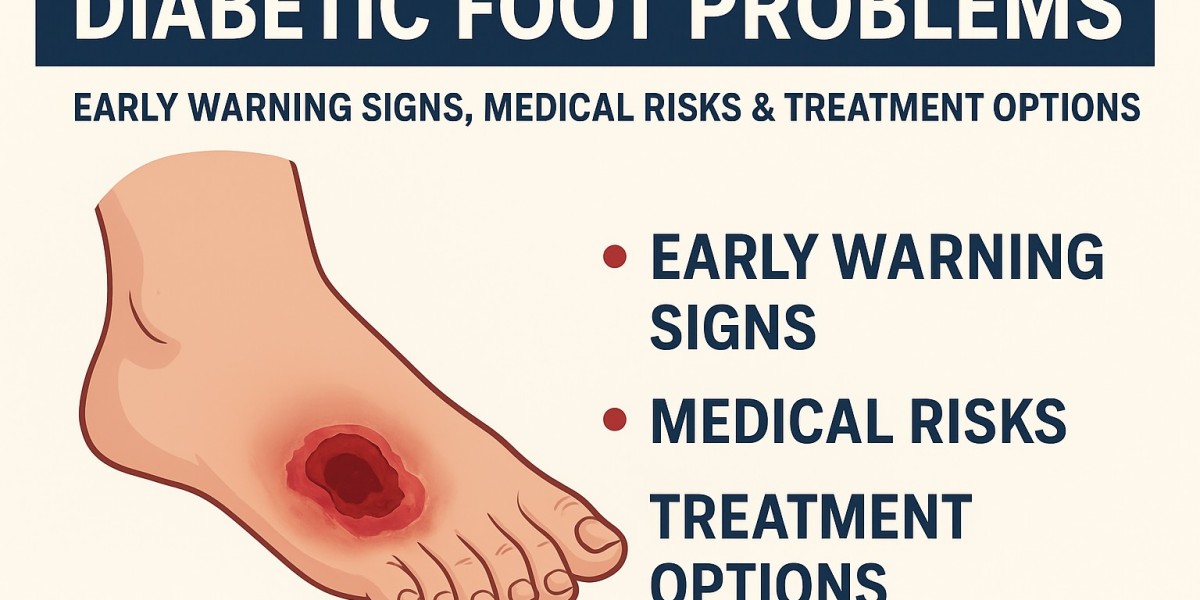

Diabetes affects multiple organs in the body, but one of the most serious and commonly neglected complications is diabetic foot disease. Many patients ignore early symptoms, assuming them to be minor wounds or skin issues. However, untreated diabetic foot problems can result in severe infections, poor healing, and in extreme cases, limb loss. Understanding the medical risks and acting early can prevent irreversible damage.
What Is Diabetic Foot Disease?
Diabetic foot disease develops due to long-standing high blood sugar levels that damage nerves and blood vessels. Nerve damage, known as neuropathy, reduces sensation in the feet, making it difficult to feel pain, heat, or injuries. At the same time, reduced blood circulation slows healing, allowing even small wounds to become serious infections.
Patients often discover foot ulcers accidentally—only after they worsen—because pain signals are absent. This delay is one of the biggest reasons diabetic foot complications become life-threatening.
Early Warning Signs You Should Never Ignore
Recognizing symptoms early can save the foot and prevent surgery. Common warning signs include:
Numbness or tingling in the feet
Cracks, blisters, or wounds that do not heal
Swelling or redness
Skin color changes
Foul-smelling discharge from a wound
Thickened or deformed toenails
If any of these signs persist, immediate medical evaluation is essential.
Medical Risks of Untreated Diabetic Foot
Ignoring diabetic foot problems can lead to serious complications. Persistent wounds may become infected, spreading bacteria to deeper tissues and bones. This condition, called osteomyelitis, is difficult to treat and often requires prolonged hospitalization.
In severe cases, poor circulation combined with infection leads to tissue death (gangrene). When blood flow cannot be restored and infection spreads, amputation may be the only life-saving option. These outcomes are largely preventable with early diagnosis and proper care.
Diagnosis and Evaluation
Doctors evaluate diabetic foot problems using physical examination, blood sugar assessment, nerve testing, and vascular evaluation to check blood flow. Imaging tests such as Doppler ultrasound or X-rays may be used to assess circulation and bone involvement. Accurate diagnosis helps determine whether conservative care or surgical intervention is required.
Treatment Options for Diabetic Foot Problems
Treatment depends on the severity of the condition:
Wound care and infection control using antibiotics and dressings
Blood sugar management to support healing
Improving circulation through medical or minimally invasive procedures
Surgical debridement to remove infected tissue
Advanced foot care techniques to prevent recurrence
Modern medical approaches focus on limb salvage, aiming to restore function while avoiding amputation whenever possible.
Prevention Is the Best Protection
Patients with diabetes should inspect their feet daily, wear proper footwear, and avoid walking barefoot. Regular medical checkups, blood sugar control, and early treatment of even minor injuries play a crucial role in prevention. Education and awareness are key to reducing long-term complications.