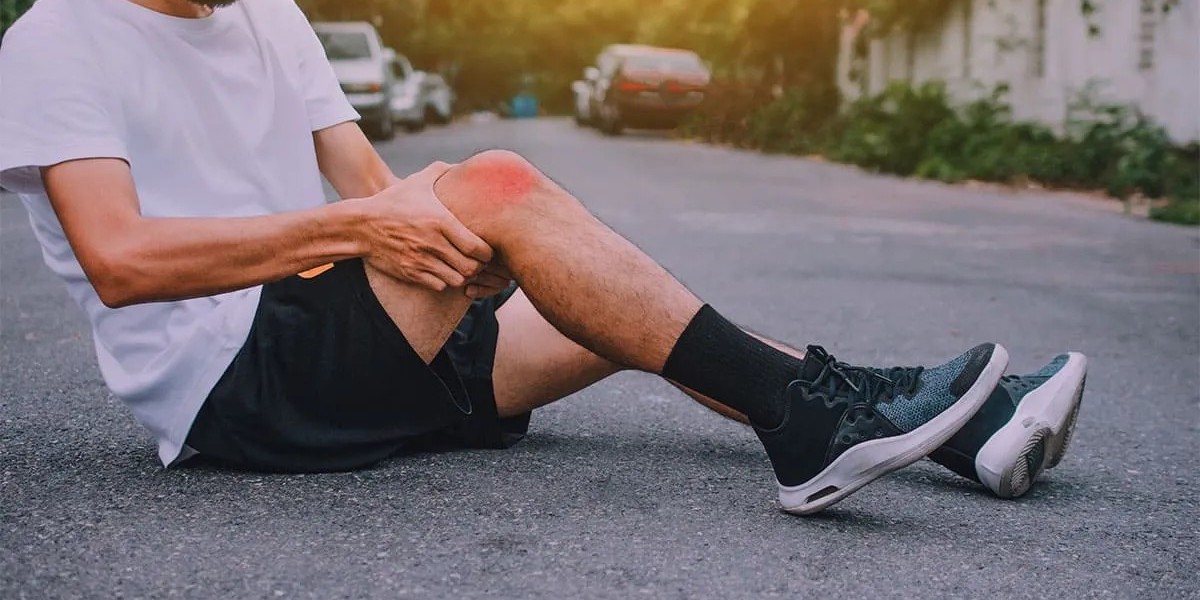

Dealing with pain in your knee and calf can make everyday tasks feel difficult. Walking, climbing stairs, or even standing for a long time might hurt. Many people experience this type of pain at some point in their lives. The good news is that there are ways to feel better and prevent the pain from coming back.
What Causes Pain in Your Knee and Calf
Understanding why your knee and calf hurt is the first step toward feeling better. There are many reasons why these areas might be painful. Sometimes the pain comes from using your legs too much. Other times it happens because of an injury or health condition.
Common causes include muscle strain from exercise or sports. When you work your muscles too hard, they can become sore and tight. Arthritis is another reason people feel knee and calf pain. This condition makes joints stiff and uncomfortable, especially as people get older.
Blood flow problems can also cause pain in the calf. When blood does not move properly through your legs, it can create cramping or aching feelings. Nerve issues are another possible cause. Damaged or pinched nerves can send pain signals down your leg from your back to your calf.
Injuries like sprains or tears can make both your knee and calf hurt at the same time. Even poor posture or wearing the wrong shoes can lead to leg pain over time. Knowing what causes your pain helps you find the right solution.
Simple Ways to Get Relief at Home
When your knee and calf start hurting, there are several things you can try at home to feel better. These simple methods work well for many people and do not require special equipment or expensive treatments.
Rest is one of the most important things you can do. Give your legs a break from activities that make the pain worse. Sit down and put your feet up whenever possible. This gives your muscles and joints time to heal.
Ice can help reduce swelling and numb the pain. Wrap ice cubes in a towel or use a cold pack. Place it on the painful area for fifteen to twenty minutes at a time. Do this several times each day, especially right after activities that cause discomfort.
Heat can also provide relief, particularly for stiff muscles. A warm bath, heating pad, or warm towel can relax tight muscles in your calf and around your knee. Heat works best for chronic pain that has lasted a while, while ice is better for new injuries.
Gentle massage can ease tension in your calf muscles. Use your hands to rub the sore areas in slow, circular motions. This increases blood flow and helps muscles relax. You can do this yourself or ask someone to help you.
Elevation is another helpful technique. When you sit or lie down, prop your leg up on pillows so it is higher than your heart. This reduces swelling and improves blood circulation.
Exercises That Help Prevent Pain
Staying active with the right exercises can prevent knee and calf pain from happening in the first place. These movements strengthen your muscles, improve flexibility, and support your joints. Start slowly and listen to your body.
Stretching your calf muscles is very important. Stand facing a wall and place your hands on it. Step one foot back and keep it straight while bending your front knee. Hold this position for thirty seconds, then switch legs. This stretch keeps your calf muscles loose and flexible.
Gentle knee bends can strengthen the muscles around your knee. Stand behind a chair and hold onto it for balance. Slowly bend your knees as if you are sitting in a chair, then stand back up. Repeat this ten times. This exercise builds strength without putting too much stress on your joints.
Walking is excellent exercise for your legs. Take short walks each day, starting with just ten or fifteen minutes. Walking keeps your muscles active and your joints moving smoothly. Wear comfortable, supportive shoes that cushion your feet.
Swimming or water exercises are perfect for people with leg pain. The water supports your body weight, so there is less pressure on your knees and calves. Moving in water builds strength while being gentle on your joints.
Ankle circles help improve flexibility and circulation. Sit in a chair and lift one foot off the ground. Rotate your ankle in circles, first one direction and then the other. Do this ten times with each foot. This simple movement keeps blood flowing and prevents stiffness.
When to See a Doctor
Sometimes home treatments are not enough. Knowing when to seek medical help is important for your health. Certain signs mean you should talk to a doctor about your knee and calf pain.
See a doctor if your pain is very severe or does not get better after a few weeks of home care. If your knee or calf is very swollen, red, or warm to the touch, this could mean an infection or serious injury that needs treatment right away.
Call for help if you cannot put weight on your leg or if your knee gives out when you try to stand. These signs might mean a serious injury that needs immediate attention. Sudden, sharp pain that comes on quickly should also be checked by a medical professional.
Watch for signs of blood clots, which can be dangerous. If your calf is swollen, painful, and warm, especially in just one leg, get medical help immediately. Chest pain, trouble breathing, or coughing along with leg pain are emergency signs that need urgent care.
If you have numbness, tingling, or weakness in your leg along with the pain, this could mean nerve damage. A doctor can run tests to find out what is wrong and suggest the best treatment.
Finding Long-Term Comfort
Managing knee and calf pain takes patience and consistency. Try different methods to see what works best for your body. Some days will feel better than others, and that is normal.
Keep track of what makes your pain better or worse. Write down which activities cause problems and which treatments help most. This information is valuable for you and your doctor.
Be consistent with exercises and stretches. Even on days when you feel good, continue your routine. Prevention is easier than treatment. Regular movement keeps your legs strong and flexible.
Stay positive and patient with yourself. Healing takes time, and everyone recovers at their own pace. Celebrate small improvements and do not get discouraged by setbacks.
With the right care, most people find relief from knee and calf pain. Use these tips to feel better today and protect your legs for the future. Your body is strong and capable of healing when you give it the support it needs.