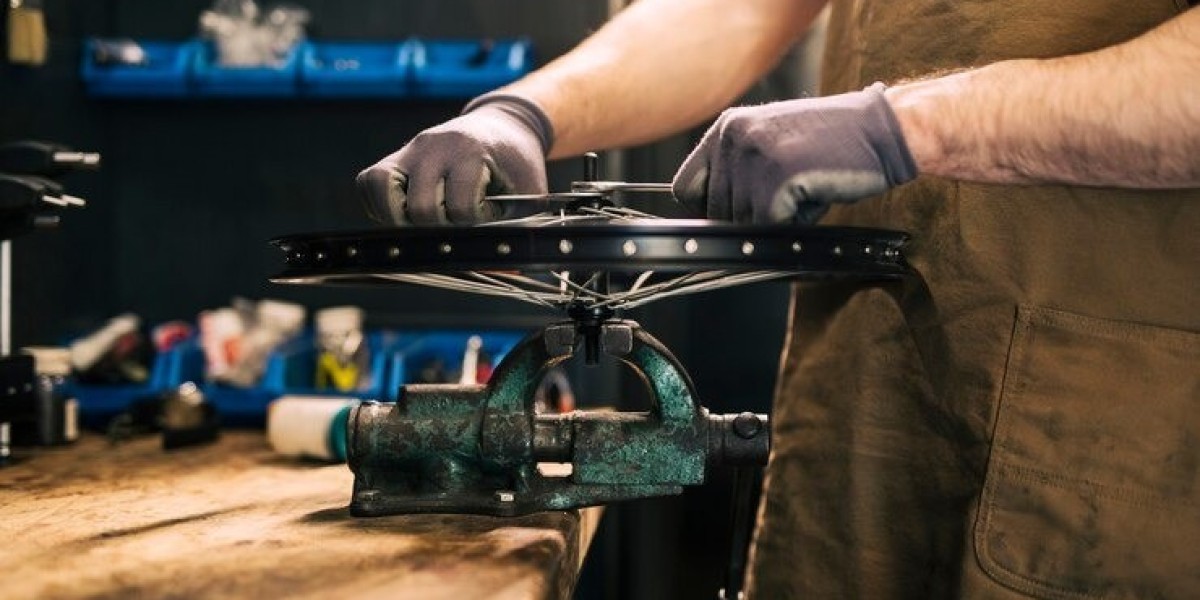

Precision is the backbone of every industrial operation. Whether you run a manufacturing plant, a logistics facility, or a quality control lab, your tools must deliver accurate results every time. Even the most advanced equipment can drift out of tolerance over time, leading to errors, compliance risks, and costly downtime. This is why understanding how often tool calibration is required is essential for businesses operating in and around Houston.
This guest-style guide explains the importance of calibration, what factors influence calibration frequency, and how businesses can stay compliant while maintaining efficiency. If you rely on measurement tools daily, this article will help you make informed decisions and protect your operations.
Understanding Tool Calibration and Why It Matters
Tool calibration is the process of comparing a measuring instrument against a known standard to verify accuracy. Over time, tools can lose precision due to wear, environmental exposure, vibration, or heavy use. Calibration ensures that your equipment provides consistent and reliable measurements aligned with industry standards.
For companies that depend on precision, Tool Calibration Houston TX services play a critical role in maintaining product quality, safety, and compliance. Without regular calibration, even minor inaccuracies can compound into serious operational problems, such as rejected batches, safety hazards, or regulatory penalties.
Calibration is not just about compliance—it’s about confidence. When your tools are calibrated correctly, your team can trust the data they rely on every day.
Why Calibration Requirements Can’t Be Ignored in Houston-Based Industries
Houston is home to diverse industries including energy, manufacturing, aerospace, healthcare, and logistics. These sectors operate under strict quality and safety standards, often governed by ISO, ASTM, and other regulatory frameworks. Tools used in these environments must meet exact tolerances to ensure compliance.
Because of the industrial climate and workload in the region, Tool Calibration Houston TX requirements are often more rigorous than in less demanding environments. High humidity, temperature variations, and continuous operation can accelerate tool drift, making routine calibration even more critical.
Factors That Determine How Often Calibration Is Required
There is no universal schedule that applies to every tool. Calibration frequency depends on several key factors, each of which should be evaluated carefully.
1. Type of Tool Being Used
Different tools have different sensitivity levels. Torque wrenches, pressure gauges, scales, and electrical instruments each have unique calibration needs. High-precision tools typically require more frequent checks than general-purpose instruments.
2. Frequency of Use
A tool used multiple times a day will likely need calibration more often than one used occasionally. Heavy usage increases wear and tear, which can affect accuracy faster.
3. Industry Regulations
Certain industries mandate specific calibration intervals. For example, aerospace and medical device manufacturers may require calibration every three to six months, while others may operate on annual schedules.
4. Environmental Conditions
Exposure to dust, moisture, vibration, or extreme temperatures can significantly impact tool performance. In industrial environments like Houston, environmental stressors are a major consideration.
5. Historical Performance
If a tool consistently fails calibration checks, it may need more frequent servicing or replacement. Tracking calibration history helps determine the optimal schedule.
General Guidelines for Calibration Frequency
While exact requirements vary, the following general guidelines are commonly followed:
- Monthly or Quarterly Calibration: For high-precision or safety-critical tools
- Semi-Annual Calibration: For frequently used industrial tools
- Annual Calibration: For tools with moderate usage and stable environments
These are baseline recommendations. Many businesses choose to work with professional providers to customize schedules based on real-world usage and compliance needs. Partnering with experts ensures that Tool Calibration Houston TX schedules are both practical and compliant.
The Role of Professional Calibration Services
Managing calibration internally can be challenging, especially for companies with large tool inventories. Professional calibration providers offer traceable standards, detailed documentation, and expert evaluations that simplify compliance.
Working with a trusted provider like Industrial Scale & Measurement ensures that your tools are calibrated according to recognized standards and that all records are audit-ready. Professional services also help identify tools that are nearing the end of their service life, allowing proactive replacement instead of unexpected failures.
For businesses seeking reliable support, this guide on professional calibration solutions for industrial and commercial tools explains how expert services can streamline your calibration program and reduce operational risks.
How Calibration Impacts Quality, Safety, and Cost Control
Improved Product Quality
Accurate tools lead to consistent production results. Calibration minimizes defects, rework, and waste, directly improving customer satisfaction.
Enhanced Workplace Safety
Inaccurate tools can create safety hazards, especially when measuring pressure, torque, or load. Proper calibration protects both employees and equipment.
Regulatory Compliance
Audits and inspections often require proof of calibration. A missed interval can result in fines or operational shutdowns.
Long-Term Cost Savings
While calibration has a cost, it is far less expensive than product recalls, legal issues, or damaged equipment. Regular Tool Calibration Houston TX services help businesses avoid these hidden expenses.
Signs Your Tools May Need Immediate Calibration
Even with a schedule in place, tools can sometimes require immediate attention. Watch for these warning signs:
- Inconsistent or unexpected measurement results
- Physical damage or excessive wear
- Tools dropped or exposed to extreme conditions
- Failed quality checks or audit findings
If any of these occur, don’t wait for the next scheduled interval. Prompt calibration can prevent further issues.
Building a Smart Calibration Schedule for Your Business
A proactive approach is the best way to manage calibration. Start by creating an inventory of all measurement tools, noting their type, usage frequency, and regulatory requirements. From there, establish a schedule that balances compliance with operational efficiency.
Many Houston-area businesses rely on Industrial Scale & Measurement for guidance, documentation, and ongoing support. Their experience across multiple industries makes it easier to implement a calibration program that grows with your operations.
To learn more about a trusted partner that supports accurate measurements and compliance-driven industries, explore Industrial Scale & Measurement’s complete range of weighing and calibration solutions here:
Why Local Expertise Matters in Houston
Choosing a local calibration provider offers advantages beyond convenience. Local experts understand regional industry standards, environmental challenges, and compliance expectations. This insight allows them to recommend realistic calibration intervals tailored to your tools and workflows.
By working with specialists familiar with Tool Calibration Houston TX, businesses gain faster turnaround times, personalized service, and peace of mind knowing their tools meet both local and national standards.
Frequently Asked Questions (FAQs)
How often is tool calibration required for most industrial tools?
Most industrial tools are calibrated annually, but high-precision or safety-critical tools may require quarterly or semi-annual calibration depending on usage and regulations.
Are calibration intervals legally required?
In many industries, yes. Regulatory bodies and quality standards often mandate specific calibration schedules and documentation.
Can I extend calibration intervals to save costs?
Extending intervals without proper evaluation can increase risk. It’s better to consult professionals who can assess tool performance and recommend safe intervals.
What happens if a tool fails calibration?
If a tool fails, it should be adjusted, repaired, or replaced. Measurements taken since the last valid calibration may need review.
Who should I contact for reliable calibration support?
Working with experienced providers ensures accuracy, traceability, and compliance. For tailored advice and service options, contact our calibration specialists for expert guidance and scheduling here:
Final Thoughts
Understanding how often calibration is required is not just a technical concern—it’s a strategic decision that affects quality, safety, and profitability. By evaluating your tools, usage patterns, and compliance needs, you can build a calibration program that supports long-term success.
For businesses operating in demanding industrial environments, investing in regular Tool Calibration Houston TX services is a smart and necessary step. With the right partner and a proactive approach, you can ensure accuracy, maintain compliance, and keep your operations running smoothly.